August 23, 2026
Updated: October 19, 2026
Three tools, three problems: who can see what, what each really protects, and how to choose.
Abdalla Mohamed
The tor vs vpn debate is the one most people start with, but the honest answer needs a third option on the table: a proxy. Tor vs VPN vs proxy is really a question about three different tools that solve three different problems, and picking the wrong one gives you a false sense of security. A proxy just changes your apparent IP address. A VPN encrypts your traffic and hides it from your internet provider, but the VPN company can see everything. Tor spreads your trust across a volunteer network so no single party knows both who you are and where you are going. This guide compares all three on the things that actually matter, from a security team that does not sell a VPN.
Updated: August 2026. Reflects the current Tor network (v3 onion services, the Tor Browser 15 series, and the ongoing Arti rewrite), modern VPN protocols such as WireGuard, and publicly documented court cases testing VPN "no-logs" claims.
If you only remember one thing: a VPN is for privacy, Tor is for anonymity, and a proxy is for neither, it is for changing your IP address quickly. They are not competitors so much as different tools, and the "best" one depends entirely on what you are trying to protect against.
| Tool | One-line summary | Best for |
|---|---|---|
| Proxy | Reroutes one app's traffic through another IP, usually with no encryption | Geo-unblocking, web scraping, quick IP changes |
| VPN | Encrypts all your device's traffic and routes it through one provider-run server | Everyday privacy from your ISP, public Wi-Fi, geo-restrictions |
| Tor | Routes traffic through three volunteer relays so no one party sees both ends | Anonymity for journalists, activists, researchers, and high-risk users |
The rest of this guide explains why, with the detail you need to choose correctly and the caveats the VPN-affiliate blogs tend to skip.
Before comparing them, it helps to define each precisely, because the marketing around all three is a mess.
A proxy server is an intermediary that sits between your app and the internet. When you use one, your request goes to the proxy, the proxy forwards it to the destination, and the destination sees the proxy's IP address instead of yours. That is the whole trick: it swaps your visible IP.
The critical limitation is that most proxies do not encrypt your traffic. The two common types are HTTP proxies (for web traffic) and SOCKS5 proxies (more flexible, handles any traffic), and by default neither adds meaningful encryption. Proxies are also usually configured per-application, so your browser might use the proxy while the rest of your device does not. They are fast and cheap, which makes them popular for geo-unblocking and web scraping, but they provide almost no privacy: your internet service provider can still see everything, and the proxy operator can see and log your traffic.
A virtual private network (VPN) creates an encrypted tunnel between your device and a server run by the VPN provider. All your device's traffic goes through that tunnel, so two things happen: your ISP can no longer see which sites you visit (only that you are connected to a VPN), and the websites you visit see the VPN server's IP instead of yours.
Modern VPNs use protocols such as WireGuard, OpenVPN, and IKEv2/IPsec, with WireGuard now favored for its speed. A VPN is system-wide, fast enough for streaming and video calls, and easy to use, which is why it is the right tool for most people most of the time. But there is a catch that defines the entire category: the VPN provider can see your real IP address and everything you do. A VPN does not make you anonymous; it moves your trust from your ISP to your VPN company. Whether that is an upgrade depends entirely on how trustworthy that company is, which we cover in detail below.
Tor, short for "The Onion Router," is a free, decentralized anonymity network run by the non-profit Tor Project and powered by thousands of volunteer-operated relays. When you use the Tor Browser, your traffic is wrapped in layers of encryption and bounced through three relays before reaching its destination. The design goal is specific and different from a VPN's: no single point in the path knows both who you are and what you are doing.
That separation, explained well in the Privacy Guides Tor overview, is what makes Tor an anonymity tool rather than a privacy tool. It is slower than a VPN, protects browser traffic by default rather than your whole device, and many websites block traffic coming from known Tor exit nodes. For a deeper look at the browser itself, see our guide to the dark web browser; for what Tor is actually used to reach, our explainer on onion sites and the directories like the Hidden Wiki and dark web search engines that index them. And for how Tor stacks up against another anonymity network, see our Tor vs I2P comparison.
This is one of the most common questions, and the answer is: neither. Tor is sometimes loosely called a "free VPN," but that description is wrong in the ways that matter.
The most accurate description is that Tor is a decentralized anonymity network. It shares the "route through an intermediary" idea with proxies and VPNs, but its trust model, no single party you have to trust, is fundamentally different. That difference is the whole point.
The clearest way to see the difference is to trace who can see what in each case.
| Question | Proxy | VPN | Tor |
|---|---|---|---|
| How many hops? | 1 | 1 | 3 (relays) |
| Is traffic encrypted? | Usually no | Yes, to the VPN server | Yes, in layers between relays |
| Who sees your real IP? | The proxy operator | The VPN provider | Only the entry node |
| Who sees your destination? | The proxy operator | The VPN provider | Only the exit node |
| Does any one party see both? | Yes (the proxy) | Yes (the VPN provider) | No |
| Can your ISP see your destinations? | Yes | No (sees only "using a VPN") | No (sees only "using Tor") |
| Scope | Per-app | Whole device | Browser by default |
The single most important row is "Does any one party see both?" With a proxy or a VPN, one operator can link your identity to your activity. That operator might be trustworthy, might keep no records, and might never be compelled to hand anything over, but the capability exists. With Tor, by design, no single relay can make that link. That is the architectural reason Tor provides anonymity and the other two provide, at best, privacy.
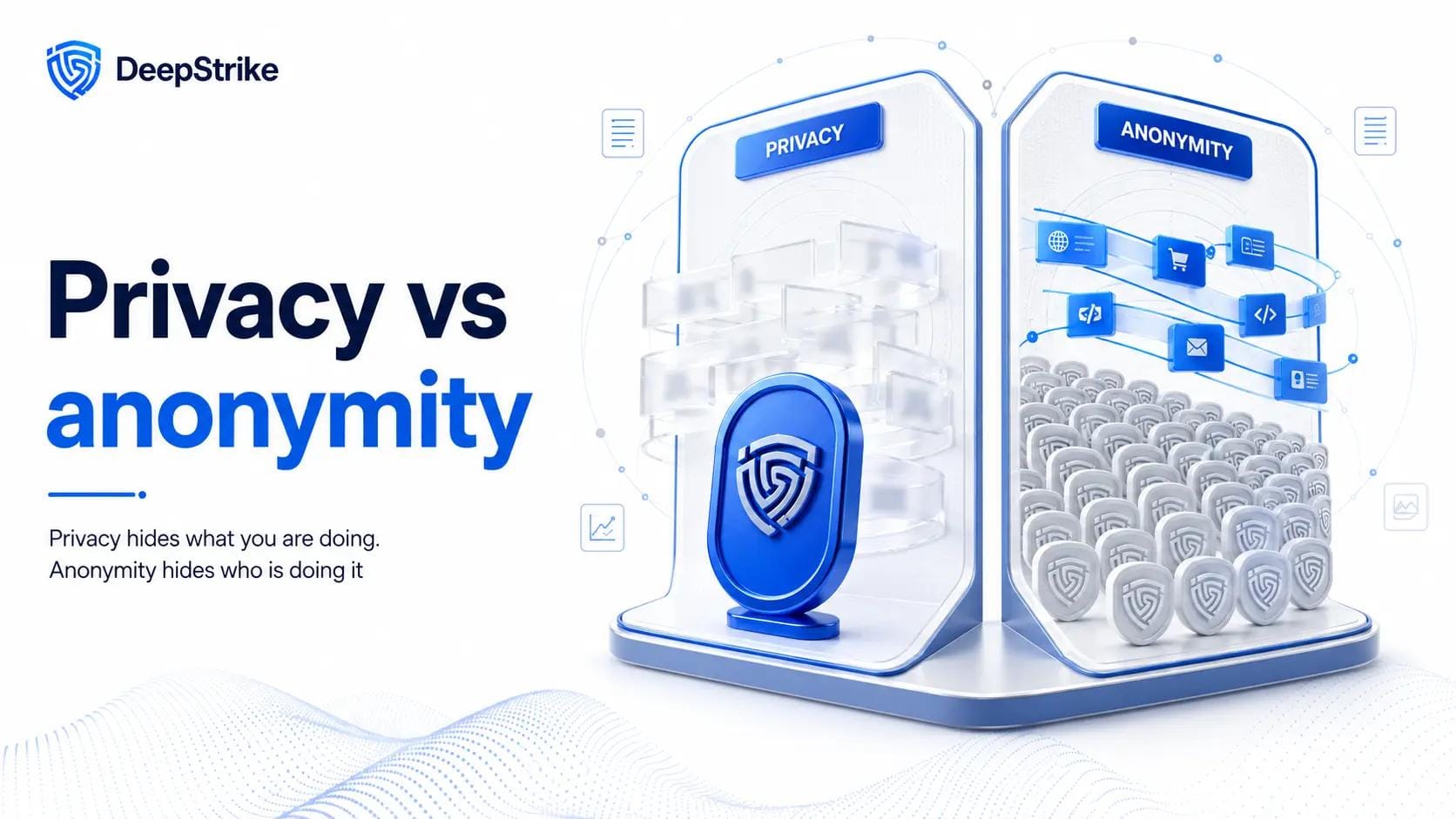
Most confusion in the tor vs vpn debate comes from treating "privacy" and "anonymity" as synonyms. They are not.
A proxy delivers neither in any strong sense, it only changes your visible IP while leaving your traffic exposed. So when someone asks "is Tor or VPN better for privacy," the more precise question is whether they need privacy or anonymity. For hiding your browsing from your ISP on an untrusted network, a VPN is the better, faster tool. For being genuinely untraceable, only Tor is designed to deliver it.
Here is the head-to-head across every dimension that matters for a real decision.
| Dimension | Proxy | VPN | Tor |
|---|---|---|---|
| Primary purpose | Change visible IP | Privacy + security | Anonymity |
| Encryption | Usually none | Strong, whole-device | Strong, layered (3 hops) |
| Hides IP from websites | Yes | Yes | Yes |
| Hides activity from ISP | No | Yes | Yes |
| Trust required in one party | Yes (proxy operator) | Yes (VPN provider) | No single party |
| Speed | Fast | Fast | Slow |
| Device coverage | Single app | Whole device | Browser (by default) |
| Cost | Free or cheap | Usually paid | Free |
| Blocks / compatibility | Often blocked | Rarely blocked | Frequently blocked by sites |
| Ease of use | Moderate | Easy | Easy (browser) but slow |
| Logging risk | High | Depends on provider | Minimal by design |
| Best user | Scraper, geo-unblocker | Everyday privacy seeker | Journalist, activist, whistleblower |
No single column wins every row, which is exactly why "which is best" has no universal answer. Match the tool to the row you care about most.
Since "tor vs vpn" is the comparison most searches are really after, it deserves its own direct look. These two are the serious privacy tools; a proxy is in a different, lighter category.
| Factor | Tor | VPN |
|---|---|---|
| What it optimizes for | Anonymity | Privacy + speed |
| Trust model | No single trusted party | One provider you must trust |
| Speed | Slow (multi-hop) | Fast (single hop) |
| Cost | Free | Usually paid |
| Whole-device coverage | No (browser default) | Yes |
| Hides that you are using it | Only with bridges | Yes (looks like normal encrypted traffic) |
| Best against a global adversary | Stronger | Weaker |
| Best for daily convenience | Weaker | Stronger |
Use Tor when anonymity is the requirement and you accept the speed cost: sensitive research, whistleblowing, evading surveillance or censorship, or reaching onion services. Use a VPN when you want fast, whole-device privacy from your ISP, safety on public Wi-Fi, or access to geo-restricted content, and you are comfortable trusting a specific provider. They are not mutually exclusive, and we cover combining them below.
VPNs and proxies get conflated because both change your IP. The difference is encryption and scope.
| Factor | Proxy | VPN |
|---|---|---|
| Encrypts traffic | Usually no | Yes |
| Protects on public Wi-Fi | No | Yes |
| Covers whole device | No (per app) | Yes |
| Hides activity from ISP | No | Yes |
| Typical use | Geo-unblock, scraping | Privacy and security |
| Security level | Low | High |
The short version: a VPN is essentially an encrypted, whole-device proxy with a privacy commitment attached. If you are choosing between them for privacy, choose the VPN. Use a proxy only when you specifically need an application-level IP change. If you are evaluating a reliable proxy server from Proxy-Seller, verify its uptime, connection security, and data-handling policies rather than assuming that changing your IP address encrypts your traffic or provides anonymity.
Performance is where the trade-offs become tangible, and it is often the deciding factor for daily use.
| Tool | Typical speed impact | Why |
|---|---|---|
| Proxy | Minimal | One hop, no encryption overhead |
| VPN | Small (often 10-30%) | One hop plus encryption; WireGuard minimizes it |
| Tor | Large | Three volunteer relays, often across continents |
A modern VPN on the WireGuard protocol is fast enough that most people never notice it during streaming or calls. Tor, by contrast, is noticeably slower because your traffic takes a deliberately indirect, three-relay path through volunteer infrastructure. That slowness is not a bug; it is the cost of the anonymity design. If a tool promising Tor-level anonymity were also as fast as a direct connection, something would be wrong.
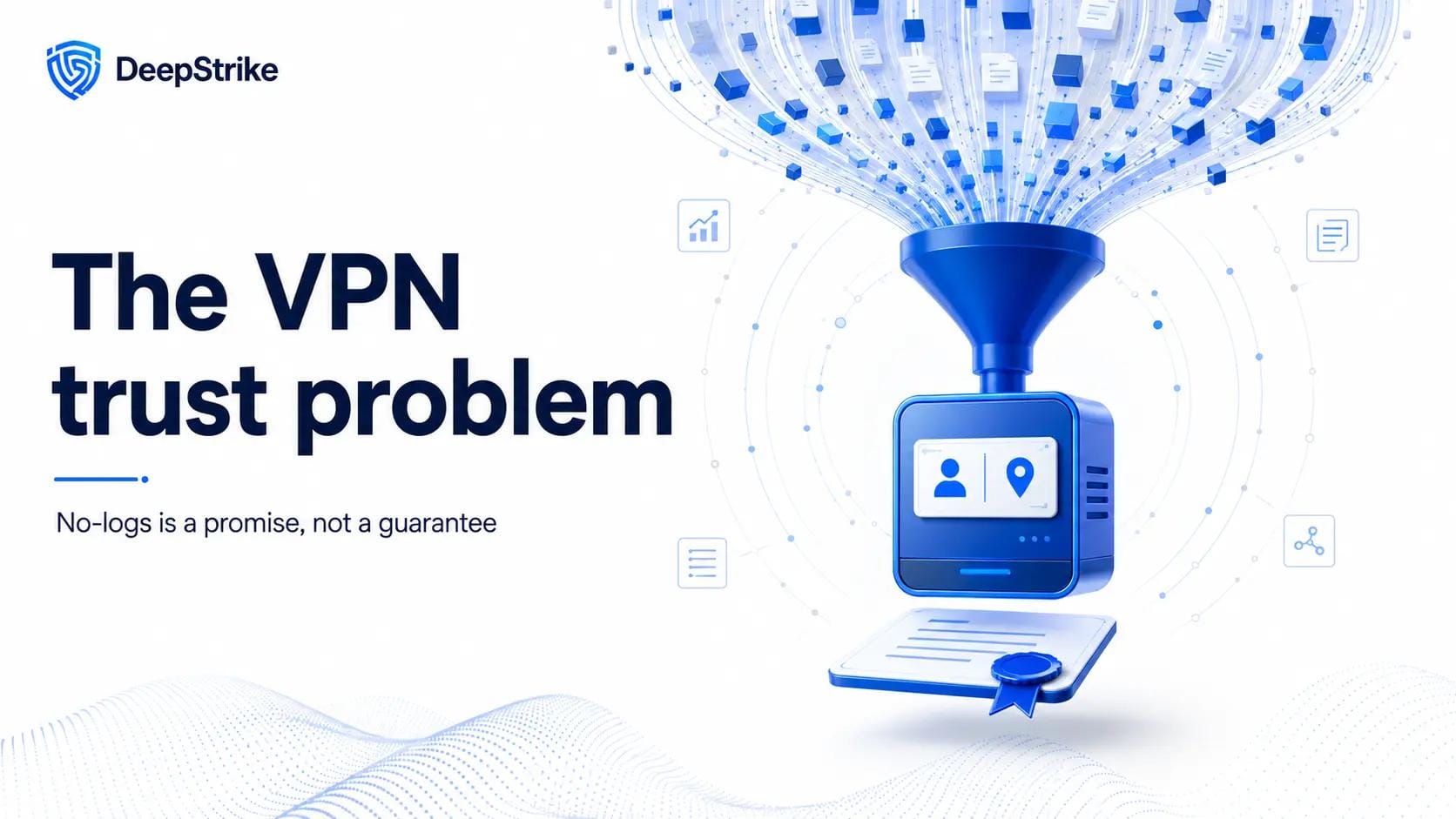
Here is the part VPN-affiliate sites underplay. Because a VPN provider can see everything you do, the entire privacy value of a VPN rests on a single question: do they keep logs, and can they be trusted? "No-logs policy" is a marketing claim until it is tested, and it has been tested in court, sometimes with unflattering results.
| Case type | What happened |
|---|---|
| No-logs claim contradicted | Court and DOJ records have documented VPN providers that advertised "no logs" yet produced user-identifying data to investigators, including cases involving IPVanish and PureVPN. |
| No-logs claim upheld | Other providers, when served warrants or subpoenas, had no user data to hand over. Private Internet Access has stated in court filings it held no connecting logs, and Mullvad reported that Swedish police executing a search warrant left without any customer data because none existed. |
The lesson is not that VPNs are useless, it is that a no-logs policy is only as good as the provider's engineering and track record. When evaluating one, prioritize:
This is also the deepest philosophical difference with Tor: Tor does not ask you to trust an operator's promise, because its architecture removes the operator who would have to make one.
Tor is the strongest anonymity tool for individuals, but it is not magic, and pretending otherwise is dangerous.
For a fuller treatment of safe usage, our dark web browser guide covers what Tor protects and what it does not, and our deep web vs dark web explainer clears up where Tor actually fits.
You can use Tor and a VPN together, and there are two configurations. Neither is necessary for most people, and each has trade-offs.
| Setup | How it works | Pros | Cons |
|---|---|---|---|
| Tor over VPN (you → VPN → Tor) | Connect to your VPN first, then open Tor | Hides Tor use from your ISP; the Tor entry node sees the VPN's IP, not yours | You must trust the VPN; adds no anonymity against most adversaries |
| VPN over Tor (you → Tor → VPN) | Traffic exits Tor into a VPN before reaching the site | Can reach sites that block Tor exit nodes | Complex, can undermine anonymity if the VPN logs, generally discouraged |
The Tor Project's practical guidance is that for most users, adding a VPN to Tor does not improve anonymity and introduces a party you have to trust. The one legitimate everyday reason to run Tor over VPN is to hide the fact that you are using Tor from your ISP or network. If that is not your concern, plain Tor is usually the better choice, and if anonymity is not your requirement at all, a VPN alone is simpler and faster.
Stop asking "which is best" and start asking "best against what?" Match your situation to the tool.
| Your situation | Recommended tool | Why |
|---|---|---|
| Public Wi-Fi at a cafe or airport | VPN | Encrypts everything against local snooping, fast |
| Hiding browsing from your ISP | VPN | Whole-device privacy without the speed cost of Tor |
| Accessing geo-restricted streaming | VPN (or proxy) | Fast IP relocation; proxy works for a single app |
| Web scraping or many IP rotations | Proxy | Cheap, fast, per-app IP changes |
| Journalism, whistleblowing, activism | Tor | Genuine anonymity; no single party sees both ends |
| Evading censorship in a restrictive country | Tor with bridges (or a trusted VPN) | Designed to resist blocking and surveillance |
| Reaching onion (.onion) services | Tor | Only Tor can reach them, with no exit-node risk |
| Everyday privacy for a whole household | VPN | Practical, fast, covers all devices |
For most people, in most situations, a reputable audited VPN is the right default. For the smaller number of people whose safety depends on being untraceable, Tor is the correct tool, used with realistic expectations. A proxy is a specialist utility, reach for it only when you specifically need a fast, lightweight IP change and do not need your traffic protected.
In most countries, using Tor, VPNs, and proxies is entirely legal, they are standard privacy and security tools used by businesses, journalists, and ordinary people every day, and organizations like the Electronic Frontier Foundation defend their legitimate use. There are exceptions: some governments restrict or ban VPNs or block Tor, requiring citizens to use bridges or approved services. And in every jurisdiction, the tool being legal does not make illegal activity legal, committing a crime while using Tor or a VPN is still a crime. If you operate in a restrictive region, check local law before relying on any of these tools.
A crucial reality check: Tor, VPNs, and proxies all operate at the network layer, so none of them protects you from threats that live above or below it. Believing otherwise is how people with the "right" tool still get exposed.
Real privacy is layered: the right network tool for your threat model, plus good browser hygiene, compartmentalization, patched software, and disciplined behavior. If you are assessing how exposed your own organization is across all of these layers, that is exactly what a penetration test is designed to reveal.
Tor vs VPN vs proxy is not a contest with one winner; it is a match between three tools and three problems. A proxy changes your IP and little else. A VPN gives you fast, whole-device privacy but asks you to trust one provider, so choose an audited one with a real track record. Tor gives you genuine anonymity by removing the need to trust any single party, at the cost of speed and convenience. Decide by threat model: privacy from your ISP and everyday snooping points to a VPN, being untraceable points to Tor, and a quick IP swap points to a proxy. The dangerous mistake is using the light tool for the heavy job, so match the tool to what you actually need to protect.
Neither. Tor is a decentralized anonymity network. Unlike a VPN, no single company runs it or can see your whole connection; unlike a simple proxy, it uses three relays with layered encryption so no single relay sees both your identity and your destination. It is sometimes called a "free VPN," but that description misses the point of its trust model.
It depends on what you need. A VPN is better for fast, whole-device privacy from your ISP and for everyday use, as long as you trust the provider. Tor is better when you need genuine anonymity and no single party able to link you to your activity, at the cost of speed. Privacy points to a VPN; anonymity points to Tor.
For hiding your browsing from your ISP and staying safe on public Wi-Fi, a VPN is the more practical privacy tool because it is fast and covers your whole device. For the strongest protection against being identified, Tor is stronger because its design does not rely on trusting any single operator. The right answer is whichever matches your threat model.
Tor. It is purpose-built so that no single relay knows both who you are and where you are going, which a VPN or proxy, with one operator who can see both, cannot match. A VPN provides privacy, not true anonymity.
For anonymity, yes, because it removes the single trusted party a VPN depends on. But Tor has its own risks, malicious exit nodes, sites that block it, and the fact that it only protects what you route through it, so "safer" depends on the threat. For everyday security on untrusted networks, a good VPN is often the more practical safe choice.
Usually not in the way people expect. For most users, adding a VPN does not improve Tor's anonymity and introduces a provider you have to trust. The one common, legitimate reason to run Tor over a VPN is to hide from your ISP that you are using Tor at all. VPN over Tor is complex and generally discouraged.
Do not use Tor for torrenting, it is slow, strains the volunteer network, and can leak your real IP through the torrent client. A VPN is the appropriate tool for torrenting privacy, provided the provider allows P2P and has a trustworthy no-logs record. A proxy alone does not encrypt your traffic and offers weak protection.
Proxies are the weakest of the three for privacy. Most do not encrypt your traffic, so your ISP can still see your activity and the proxy operator can log everything. They are fine for low-stakes tasks like geo-unblocking or scraping, but they are not a security tool. For real protection, use a VPN or Tor.

Stay secure with DeepStrike penetration testing services. Reach out for a quote or customized technical proposal today
Contact Us
