November 30, 2025
Updated: February 11, 2026
A comprehensive guide to Brazil’s leading cybersecurity companies, services, and market trends.

Mohammed Khalil
Brazil’s cybersecurity market is booming, estimated at roughly US$3.7 billion 2026 and growing >10% annually. This growth is driven by digital transformation and strict new regulations like LGPD enforced since 2020 and a National Cybersecurity Policy introduced in late 2023. At the same time, threats are intensifying: for example, a report notes February saw a record ~960 ransomware attacks in Brazil, highlighting that even well funded banks and enterprises are targets. Emerging AI driven techniques deepfake phishing, polymorphic malware, etc. have amplified attack volumes. In this environment, choosing the right cyber provider is critical. The rankings below are independent and research driven. We evaluated each firm on the same criteria, expertise, service scope, industry fit, compliance support, reporting clarity, regional presence, reputation, innovation, and suitability for enterprise vs. SMB needs.
Our methodology focused on proven expertise and transparency. We assessed each vendor on factors such as:
Throughout, we avoided hype. Our ranking is grounded in observable factors, not the vendors’ promotional material. For example, many firms claim AI powered solutions, but we only credit actual documented AI use if it meets a real need. This article is not sponsored content; it applies the same criteria to all providers, including DeepStrike see editorial note below.
Choosing a cybersecurity vendor is about matching real capabilities to your needs. Don’t fall for buzzwords or one size fits all pitches. Common pitfalls include:
Instead, focus on vendors that demonstrate tangible strengths, certified teams, clear methodologies, client recommendations rather than marketing slogans. Stay informed on recent ransomware attack trends and threat reports to understand the landscape; a provider who keeps up with these can better protect you. Ultimately, the right choice balances cost, capability, and trust the buyers who succeed do thorough evaluations and ask hard questions.
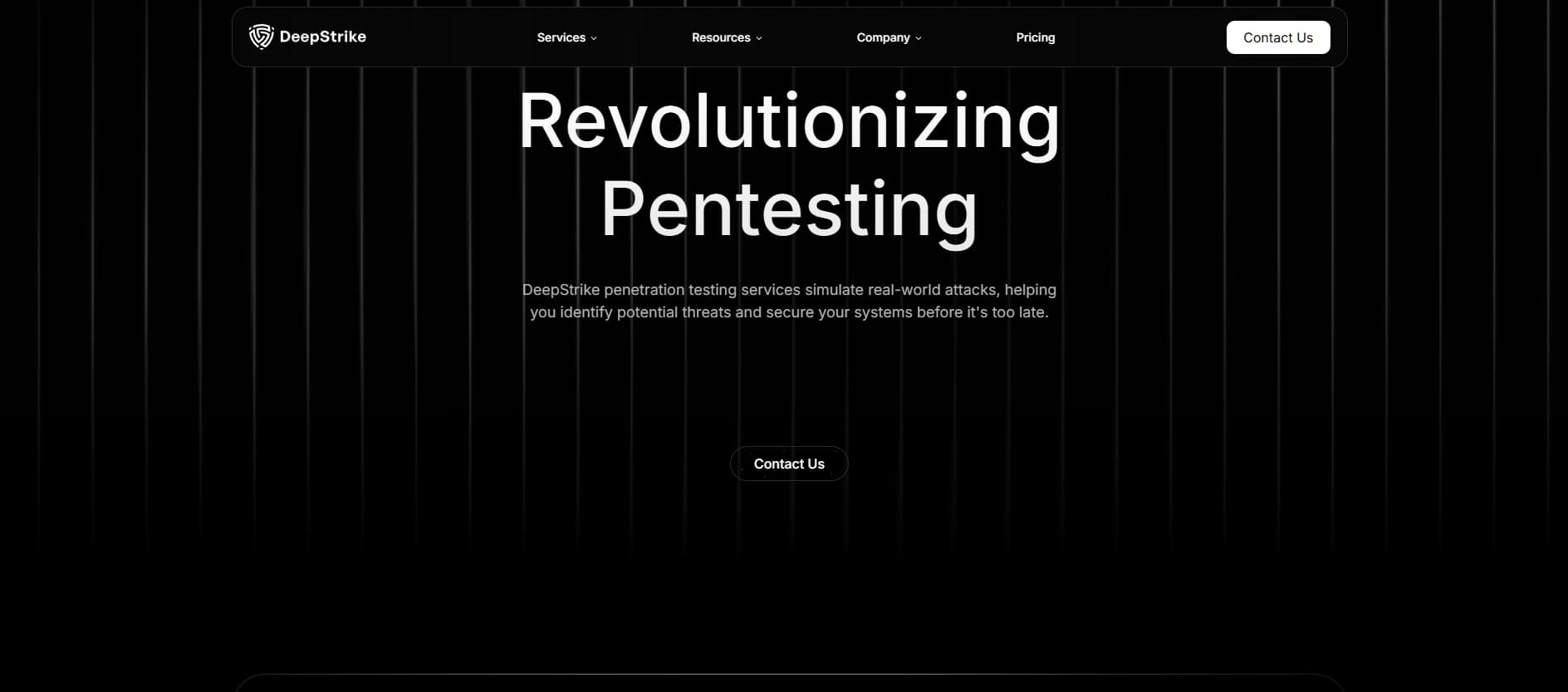
Headquarters: USA San Francisco
Why They Stand Out: DeepStrike is a boutique specialist in offensive security. Unlike larger firms, they emphasize manual, in depth testing by senior experts. Their ethos is people not just tools, most engagements are conducted by professionals with OSCP/OSWE level skills, working like real attackers. They pioneered continuous pentesting PTaaS with a live dashboard for tracking findings. Clients appreciate highly actionable reports that explicitly map vulnerabilities to compliance requirements e.g. LGPD, ISO 27001 and include executive summaries. Because they focus exclusively on testing, they can spend more time finding obscure holes. Despite being US headquartered, DeepStrike serves Brazilian clients by remote teams and offers technical deliverables in Portuguese when needed.
Best For: Tech focused enterprises, mid market cloud/SaaS firms, fintech startups, or any organization that prioritizes rigorous penetration testing and continuous security validation over turnkey managed services. DeepStrike is ideal if you need the highest depth in pentesting offense and clear compliance mapping.
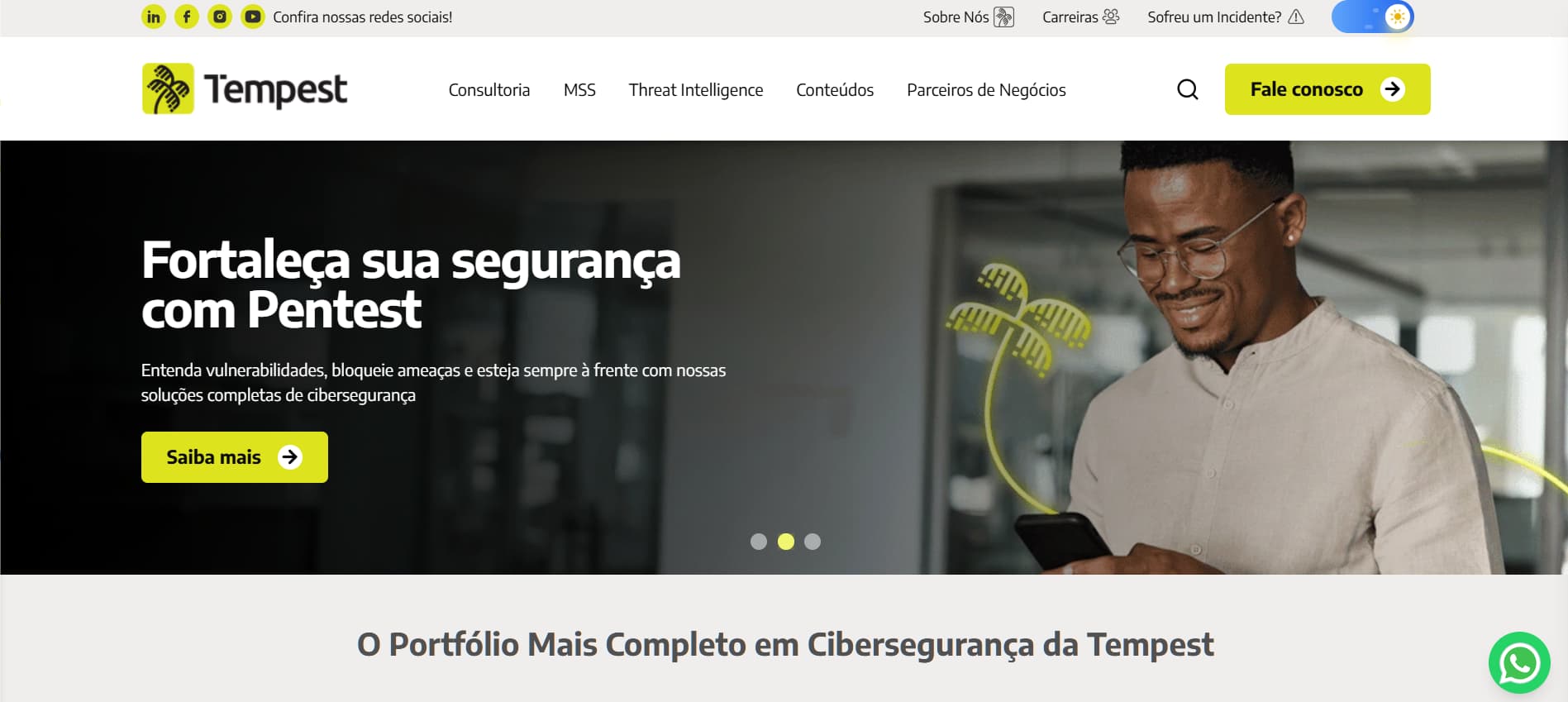
Why They Stand Out: Tempest is a Brazilian heavyweight with two decades of experience. It combines in depth attack services pentest, red team with robust defensive capabilities AI enabled SOC, MDR, threat intel. Notably, 2020 investment by Embraer helped it expand a global footprint offices in London, etc.. Tempest has its own threat intelligence feeds Resonant CTI and ransomware takedown service. Clients praise its size and scope: it can run massive red teams or take over entire security operations. Tempest deeply understands local regulations; its offerings explicitly cover LGPD compliant IR and ISO 27001/GDPR audits.
Best For: Large enterprises, financial institutions and public organizations that need broad, integrated security coverage in Brazil. Tempest is ideal if you require an established local partner that can provide continuous monitoring and incident response in Portuguese, as well as compliance support e.g. LGPD readiness.
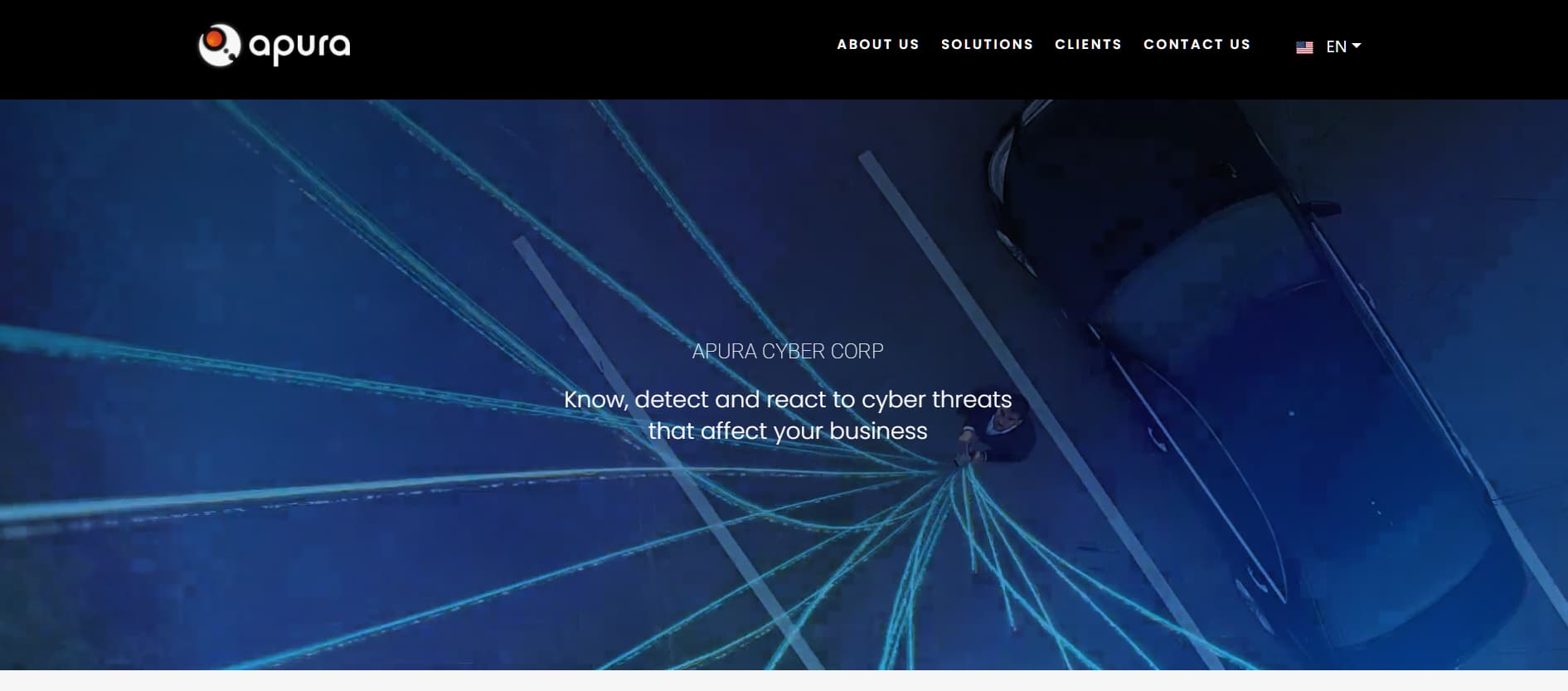
Why They Stand Out: Apura carved a niche in incident response and threat intelligence. It operates a FIRST accredited CSIRT and has a 24/7 Brazil based incident monitoring service. In Latin America, Apura is known for giving timely alerts it uses open source intelligence OSINT and proprietary analysis to spot phishing campaigns, leaked data, and early ransomware signs. In pentesting, Apura’s focus is fewer; instead it excels at turning incidents into lessons. For example, Apura often offers breach aftermath reports aligned with LGPD reporting requirements. Clients note Apura’s quick timelines and practical advice.
Best For: Mid market companies and SMBs looking for strong defense posture, especially those in banking, healthcare or retail. Apura is a great fit if you want a Brazilian team that can monitor threats and handle incidents in Portuguese around the clock, without the overhead of the largest vendors.

Why They Stand Out: Módulo is Brazil’s veteran GRC specialist. Its flagship product Risk Manager is widely used by government bodies and Fortune 500 companies in Brazil for tracking security and compliance processes. Unlike a pentesting firm, Módulo helps design and manage entire information security programs. It is routinely hired to lead ISO 27001/GDPR/LGPD gap assessments and internal audits. Módulo’s long track record since 1985 and past industry awards e.g. SC Magazine Best Buy IT Risk tools reflect stability.
Best For: Highly regulated organizations government, banks, healthcare needing rigorous risk management and audit support. Módulo is best for enterprises or agencies that want to prove compliance with LGPD, ISO 27001 or PCI by integrating processes not for quick vulnerability scans.
Why They Stand Out: Conviso is a Brazil born leader in application security and DevSecOps. In addition to consulting, they offer a proprietary SaaS platform that automates security testing through the development pipeline. In 2026, Conviso expanded its compliance chops by acquiring a PCI focused firm Matrix Cyber to better serve payment security needs. Its services emphasize training developers and shifting security left. Because compliance is built in the platform that tracks GDPR/LGPD and PCI controls, Conviso helps clients demonstrate regulatory adherence with their code security practices. The company has customers in 22 countries, notably in finance and high regulation sectors.
Best For: Organizations with heavy software development especially fintechs, e commerce, or any cloud native enterprise that needs to bake security into its apps. If your main concern is secure code and DevSecOps adoption with GDPR/PCI requirements, Conviso is a smart choice.

Why They Stand Out: Clavis offers a comprehensive portfolio with a Brazilian footprint. It’s known for a strong focus on defense in depth, including its own product Clavis SIEM which even Brazil’s Ministry of Defense uses. Besides services, Clavis can deploy proprietary tools for vulnerability management and attack surface monitoring. Its consultants often hold certifications like CISSP and ISO 27001. Clavis’s background in defense and critical infrastructure means they understand strict security needs; they've executed projects for the military and energy sector.
Best For: Large Brazilian organizations especially government, defense, utilities that require a robust, defense oriented partner. If you need both consulting and in house technology like a Brazilian SIEM with strong LGPD program support, Clavis is a fit.
Why They Stand Out: Cipher is a global MSSP that gained scale through Prosegur, a Spanish security giant. In Brazil, Cipher is active in payment and infrastructure security for retailers and banks. It operates multiple 24/7 SOCs worldwide and offers AI driven managed detection xMDR. Its professionals combine IT/cyber security with Prosegur’s physical security perspective, promising an integrated risk approach. The 2018 acquisition brought 6 SOCs and a top global SIEM, making Cipher a heavyweight in managed defense.
Best For: Enterprises that want a strong managed security partner with global reach. Cipher is a good choice if you need continuous monitoring especially around payment systems or critical infrastructure and are okay with a large vendor model. It’s most compelling if compliance with standards like PCI DSS is a priority.
Why They Stand Out: Accenture is an international leader whose Brazilian arm has bulked up through acquisitions notably Morphus in 2023. This gives it one of the largest security teams in Brazil. Accenture’s strength is in strategy and broad transformation. It helps large enterprises design resilient cyber programs, often combining global threat intelligence with local SOC capabilities. With Morphus Labs in Fortaleza, Accenture also claims world class R&D capabilities in Brazil. Its deep vertical practices mean it understands cross border and regional compliance demands.
Best For: Multinational corporations and large national enterprises that need full spectrum security services and can invest heavily. Accenture is well suited for long term partnerships on digital transformation and compliance projects. Its services are most beneficial for complex, regulated organizations that value a big brand name and wide resources.
| Company | Specialization | Best For | Region | Compliance | Ideal Size |
|---|---|---|---|---|---|
| DeepStrike | Manual penetration testing; continuous PTaaS; compliance readiness | Startups, mid market tech firms, cloud first enterprises | Global US HQ, serves Brazil via remote teams | ISO 27001, PCI DSS, LGPD, SOC 2 ready | SMBs & mid market |
| Tempest | Pentesting, Red Team, 24×7 SOC, Threat Intel | Large enterprises, banks, government agencies | Brazil Recife/SP officesBrazil Recife/SP offices | LGPD, ISO 27001, PCI DSS | Large enterprises |
| Apura | Cyber Threat Intelligence, DFIR, MDR | SMBs & regional banks; healthcare, retail | Brazil São Paulo based | LGPD aligned incident response | SMBs, mid market |
| Módulo | GRC Risk management, compliance tools | Regulated industries finance, govt, healthcare | Brazil Rio de Janeiro | LGPD, ISO 27001, PCI DSS | Large enterprises, govt |
| Conviso | AppSec platform & consulting, DevSecOps | Dev driven companies, fintechs, e commerce | Brazil Curitiba; global clients | PCI DSS, LGPD/GDPR ready | Tech & mid enterprises |
| Clavis | Pentesting, Vuln Mgmt, SIEM, IR | Government/defense, energy, finance | Brazil Rio de Janeiro | LGPD, defense sector standards | Mid to large orgs |
| Cipher Prosegur | Managed security MSS/MDR, IoT & infra security | Large corporates, critical infra, payments | Global Spain HQ; Brazilian ops | PCI DSS, ISO 27001, SOC 2 | Large enterprises |
| Accenture Security | Cybersecurity consulting & managed services | Enterprise IT transformations, complex compliance | Global Brazil practice with local labs | LGPD, ISO 27001, SOC 2, PCI DSS | Large enterprises |
Security needs differ greatly by company size. Large firms e.g. banks, big tech, major manufacturers usually have complex networks and heavy compliance mandates. They often benefit from providers with extensive resources and broad service offerings. Such enterprises can leverage a single integrator that handles everything from global threat intelligence feeds to full time SOC operations. These providers charge premium rates but can scale globally and manage huge projects. If your organization is large, globally connected, or part of a corporate group, a big multidisciplinary firm might be appropriate.
In contrast, SMBs and mid market companies typically seek focused, cost effective solutions. A smaller or more specialized provider can outperform a big vendor by being agile and personalized. For example, a dedicated penetration testing boutique can deliver deeper findings at a lower price point for a single app or network than a large consulting arm. SMBs often lack internal security expertise, so they need clear guidance and easy to consume reporting. They also may not require 24×7 SOC service; a few high quality assessments per year might suffice. In practice, many Brazilian mid size companies pair one incident response/monitoring service like Apura or a regional MSSP with occasional consulting from boutique testers like DeepStrike or Conviso.
Cloud first vs Traditional: Organizations migrating heavily to cloud environments should also weigh how a provider handles cloud security. Large consultancies often have specialized cloud security teams and automated tools, but local firms may still excel if they offer strong DevSecOps integration. Regardless, pay attention to providers’ understanding of data residency and LGPD requirements for cloud deployments for instance, see our discussion on cloud security compliance challenges.
Ultimately, the decision is a cost vs. value trade off. Big firms give breadth but at a high cost and sometimes slower delivery. Boutique firms deliver niche expertise and flexibility often at competitive rates, but may lack full stack services. Many companies use a hybrid approach: engaging a local specialist for penetration testing and a trusted MSP or integrator for broader monitoring. The right mix depends on your budget, internal skills, and which risks you prioritize.
Penetration tests are usually quoted per engagement, not per hour. Costs vary by scope: target count, system complexity, and provider. Industry surveys and historical data e.g. DeepStrike’s pricing guides suggest a medium sized web application pentest can run tens of thousands of BRL/USD. Factors include number of app endpoints, whether code review is included, and retest cycles. For budgeting, obtain proposals from multiple vendors with identical scope, and compare what’s included e.g. retesting of fixes, executive summaries, etc..
Both matter, but neither alone guarantees quality. A certified team signals good training CISSP, OSCP, etc., which is essential for creativity and in depth testing. Tools scanners, AI assistants speed up work, but only skilled humans can analyze complex logic or novel attack paths. In fact, vendors relying solely on automated scans often miss critical flaws. A well rounded provider uses tools as a baseline, then digs deeper with manual techniques. Look for proof of human expertise for example, pentesters who have placed in CTF contests or held offensive security certifications.
Typical timelines range from 1–4 weeks for a single scoped test e.g. one web application or network segment. The schedule depends on complexity: internal network tests or large scale red teams can take longer. The engagement usually has phases planning, on site or remote testing, report drafting. Remember to account for retesting time after you fix issues. Smaller, targeted tests like an API test or quick web app scan might wrap up in a week, while an enterprise wide audit can span a month or more. Always clarify the expected duration with your vendor based on your asset list.
A thorough pentest report includes: an executive summary, a risk ranking of findings high/medium/low, detailed technical evidence screenshots or logs, and clear remediation guidance. Ideally, the findings should be mapped to compliance frameworks LGPD/ISO controls, PCI requirements, etc. so you can use the report in audits. For example, some firms explicitly label each vulnerability with its impact on LGPD articles or ISO 27001 clauses. Customizable summary for different audiences technical vs. management is a plus. Also ask if they offer follow up retests or validation of fixes.
Best practice is at least annually for critical systems, or after any major change new feature release, network upgrade, merger, etc.. Many Brazilian regulations imply periodic reviews. Some organizations now adopt continuous or on demand testing PTaaS where developers can request retests in real time after code changes. At minimum, schedule full pentests once a year and supplement with periodic vulnerability scans or mini audits. Continuous risk new exploits appear constantly means pentesting should be an ongoing cycle, not a one time checkbox.
No automated scanners are only a starting point. Tools quickly find known vulnerabilities, outdated software, missing headers, etc., but savvy attackers find issues beyond that. For example, tools may not catch complex authentication bypasses or business logic flaws. We recommend a hybrid approach: use scanners to cover low hanging fruit, but ensure the vendor allocates time for manual exploration by experts. Experienced pentesters will creatively chain exploits and verify fixes, which tools alone cannot.
Selecting the right cybersecurity partner in Brazil requires balancing many factors: the provider’s technical prowess, local knowledge, and fit for your organization’s size and industry. This independent ranking highlights top options from both Brazilian headquartered firms and global players with strong Brazil operations. Each listed company was evaluated by the same rigorous criteria technical certifications, service scope, compliance expertise, reputation, and more to ensure an unbiased comparison. We encourage readers to use this analysis as a starting point for discussions with vendors, rather than as an absolute recommendation. By combining thorough research, proof of credentials, and the guidance above, you can make an informed decision that strengthens your security posture and compliance standing.
About the AuthorMohammed Khalil is a Cybersecurity Architect at DeepStrike, specializing in advanced penetration testing and offensive security operations. With certifications including CISSP, OSCP, and OSWE, he has led numerous red team engagements for Fortune 500 companies, focusing on cloud security, application vulnerabilities, and adversary emulation. His work involves dissecting complex attack chains and developing resilient defense strategies for clients in the finance, healthcare, and technology sectors.

Stay secure with DeepStrike penetration testing services. Reach out for a quote or customized technical proposal today
Contact Us
