July 8, 2026
Updated: September 14, 2026
Average GDPR fine caveats, Article 83 fine caps, largest penalties, country trends, breach fines, and practical security lessons for privacy, legal, GRC, and security teams.

Mohammed Khalil
| Category | Statistic | Source | Year / Retrieval Date | Scope | Why It Matters |
|---|---|---|---|---|---|
| Cumulative tracker total | Approximately €6.31B across 3,195 listed fines in the CMS Enforcement Tracker reference set | CMS Enforcement Tracker | July 2026 retrieval reference | Public tracker scope; EU/EEA and UK filters can change dataset totals. | Gives a running enforcement baseline, but tracker coverage and update methods must be labeled. |
| Law-firm survey total | Approximately €7.1B in GDPR fines since 2018 in the DLA Piper survey reference | DLA Piper GDPR fines and data breach survey | January 2026 survey reference | Surveyed jurisdictions and methodology | Useful corroborating source, but not identical to CMS tracker. |
| Annual fine signal | DLA Piper survey references report approximately €1.2B in fines for 2025, roughly matching 2024 | DLA Piper survey | January 2026 survey reference | EU GDPR enforcement snapshot | Shows continuing enforcement intensity; annual values depend on decision date, publication date, appeal status, and dataset scope. |
| Irish DPC cumulative signal | DLA Piper survey references report approximately €4.04B in Irish DPC fines since 2018 | DLA Piper survey / Irish DPC case data | January 2026 survey reference | Ireland / lead supervisory authority cases | Explains why Ireland can dominate euro totals due to large technology-company decisions. |
| Largest single GDPR fine | Meta Platforms Ireland: €1.2B | Irish DPC decision / DLA Piper / tracker references | 2023 | International transfer case | A tail-risk example, not a typical penalty benchmark. |
| Major 2025 fine | TikTok Technology Ltd: €530M | Irish DPC decision / DLA Piper reference | 2025 | International data transfers to China | Shows continuing regulator attention to cross-border transfers. |
| GDPR high-tier cap | Up to €20M or 4% of total worldwide annual turnover, whichever is higher | Official GDPR Article 83(5) and 83(6) | GDPR text | Core principles, rights, transfers, and non-compliance with DPA orders | This is a legal cap, not an expected penalty. |
| GDPR lower-tier cap | Up to €10M or 2% of total worldwide annual turnover, whichever is higher | Official GDPR Article 83(4) | GDPR text | Certain controller/processor, certification, and monitoring-body obligations | Prevents incorrect mixing of Article 83 tiers. |
| Breach notification signal | DLA Piper survey references report 443 EU breach notifications per day in 2025 | DLA Piper survey | January 2026 survey reference | Breach notifications, not fines | Useful security context, but should not be presented as a GDPR fine count. |
| Average fine caution | Simple average values are distorted by mega-fines | CMS tracker arithmetic / DLA Piper caveat | Live tracker or survey reference | All listed fines | Boards should use ranges, scenarios, and control-specific exposure rather than one average number. |
GDPR fines statistics show enforcement patterns, not a fixed penalty forecast. The numbers depend on source, retrieval date, jurisdiction, violation type, company size, turnover, affected data categories, mitigation, cooperation, and appeal status. Maximum Article 83 caps are different from actual fine values. Tracker totals, law-firm survey totals, official regulator decisions, UK GDPR penalties, ePrivacy cookie penalties, civil compensation, and breach costs are separate data categories. Security, legal, privacy, and GRC teams should use GDPR fine data to prioritize governance, transfer reviews, consent evidence, breach notification processes, vendor controls, and Article 32 security validation.
GDPR fines statistics matter because they translate privacy and security failures into board-level risk. They help executives understand which enforcement themes attract regulator attention, where legal and technical control evidence is weak, and how a privacy failure can turn into financial, reputational, and operational exposure.
The most useful way to read GDPR fines is not to ask, "What is the average fine?" but to ask, "Which categories of failure create our most defensible or least defensible position if a regulator investigates?" A SaaS company with EU users, cross-border support access, public APIs, behavioral analytics, and third-party processors has a different risk profile from a local retailer with limited EU data processing.
For CISOs and AppSec teams, GDPR fine data highlights the need to evidence reasonable security measures under Article 32. For DPOs and privacy counsel, it reinforces lawful basis, transparency, transfer governance, data subject rights, and breach notification discipline. For boards, it supports risk prioritization without turning legal caps into panic-driven budgeting.
A GDPR fine is an administrative monetary penalty imposed by a competent data protection authority under the GDPR or, where clearly labeled, under UK GDPR. It is not the same as a civil damages award, class-action settlement, cyber insurance claim, breach recovery cost, ransomware payment, ePrivacy cookie fine, CCPA/CPRA fine, or general regulatory penalty.
| Category | Counts as a GDPR fine? | How to Treat It |
|---|---|---|
| GDPR administrative fine | Yes | Use if issued by a data protection authority under GDPR Article 83 or equivalent UK GDPR basis. |
| UK GDPR monetary penalty | Only if labeled separately | Do not combine with EU GDPR totals unless the table explicitly says EU+UK. |
| ePrivacy / cookie fine | No, unless separately labeled | Useful context for tracking and consent risk, but do not mix into GDPR totals. |
| Civil compensation or settlement | No | Separate from administrative fines. |
| Breach recovery cost | No | Separate from regulatory fine data. |
| Cyber insurance claim | No | Separate insured-loss or claim data, not GDPR enforcement data. |
| Data breach notification volume | No | Relevant security signal, but not a fine count. |
This article prioritizes source-specific enforcement interpretation over volume of statistics. Official GDPR text, regulator decisions, supervisory authority materials, EDPB guidance, national DPA reports, DLA Piper survey data, and CMS Enforcement Tracker references are treated differently. A regulator decision is strongest for a single case. A tracker is useful for cumulative monitoring. A law-firm survey is useful for trend interpretation. None of these should be merged without caveats.
| Criterion | Requirement | Why It Matters |
|---|---|---|
| Source credibility | Use GDPR text, EDPB, official DPA decisions, national authority reports, DLA Piper, and CMS Enforcement Tracker. Avoid generic statistic roundups as primary evidence. | GDPR fine data is legal and statistical. Weak sources damage trust. |
| Retrieval date | Every live tracker or annual survey value must include a retrieval date or report date. | Fine totals change frequently and can differ by update schedule. |
| EU vs UK scope | Label EU/EEA GDPR and UK GDPR separately. | Post-Brexit UK enforcement is related but separate. |
| GDPR vs ePrivacy | Keep cookie/ePrivacy fines separate unless the source classifies them under GDPR. | Many competitor articles incorrectly merge privacy regimes. |
| Fine vs non-fine | Do not count reprimands, orders, civil compensation, settlements, breach costs, or insurance claims as GDPR fines. | This prevents category errors. |
| Article 83 accuracy | Use Article 83(4), 83(5), and 83(6) accurately. | Misclassifying consent, lawful basis, rights, or transfers under the wrong tier creates legal-risk errors. |
| Appeal status | Avoid calling a fine final unless the final status is verified by the source. | Large cases may be appealed, reduced, or modified. |
| Average fine handling | Use averages only with skew caveats; prefer ranges, scenarios, and source context. | Mega-fines distort averages. |
| Country data | Use authority and country-specific context rather than treating all DPAs as equivalent. | A country total can reflect lead-supervisor role, not only strictness. |
| Security relevance | Connect security statistics to Article 32 carefully and avoid guarantees. | Security testing supports due diligence but does not guarantee compliance or lower fines. |
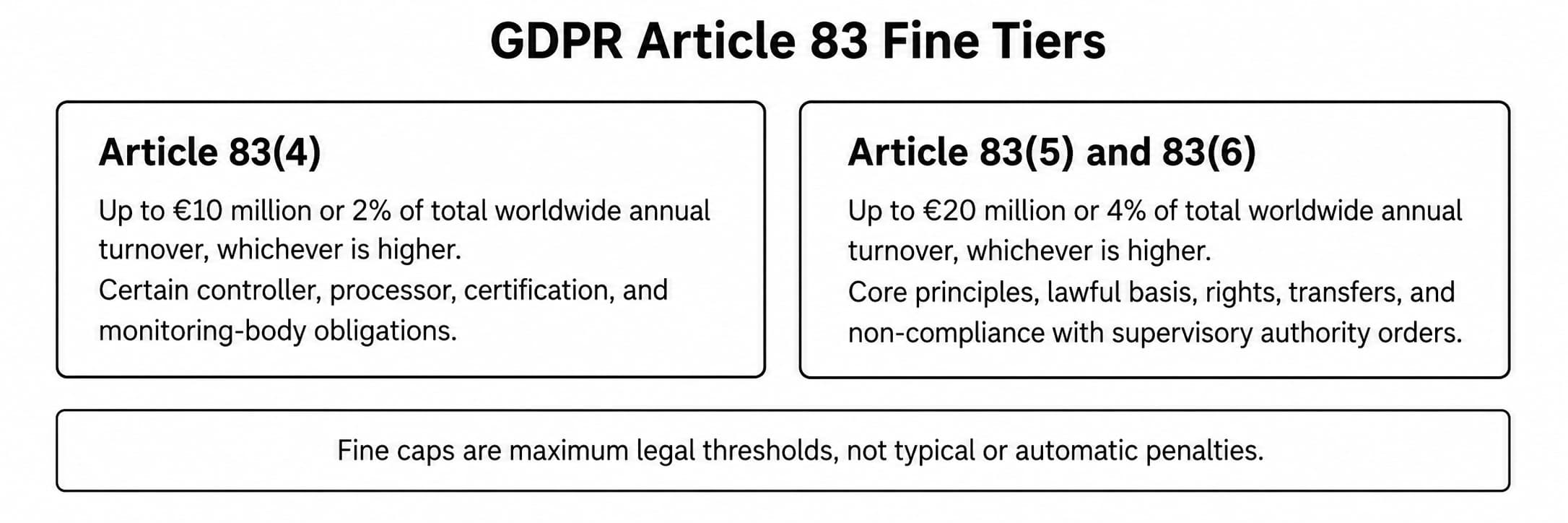
Figure 1. GDPR Article 83 fine tier diagram.
GDPR Article 83 is often quoted, but it is frequently simplified incorrectly. The fine tiers are maximum legal caps, not average penalties or automatic amounts. The GDPR text uses total worldwide annual turnover. Avoid saying "4% of revenue" without clarifying the legal wording and the "whichever is higher" rule.
| Article 83 Provision | Maximum Administrative Fine | Applies To | Notes |
|---|---|---|---|
| Article 83(4) | Up to €10 million or 2% of total worldwide annual turnover of the preceding financial year, whichever is higher. | Certain controller and processor obligations, certification bodies, and monitoring bodies. | Do not place Article 5 principles, Article 6 lawful basis, consent, data subject rights, or transfer violations here by default. Verify the exact article in the official GDPR text. |
| Article 83(5) | Up to €20 million or 4% of total worldwide annual turnover of the preceding financial year, whichever is higher. | Core processing principles, lawful basis, consent conditions, data subject rights, international transfers, and certain Member State law obligations. | This is the tier most often associated with the largest GDPR fines. It is still a cap, not a typical fine. |
| Article 83(6) | Up to €20 million or 4% of total worldwide annual turnover of the preceding financial year, whichever is higher. | Non-compliance with an order by the supervisory authority. | Often missed in simplified articles. Include it when explaining the high-tier cap. |
Supervisory authorities consider factors such as nature, gravity, duration, intentional or negligent character, mitigation, previous infringements, cooperation, affected data categories, notification, and other Article 83(2) factors. Use EDPB fine-calculation guidance for current methodology and legal counsel for organization-specific interpretation.
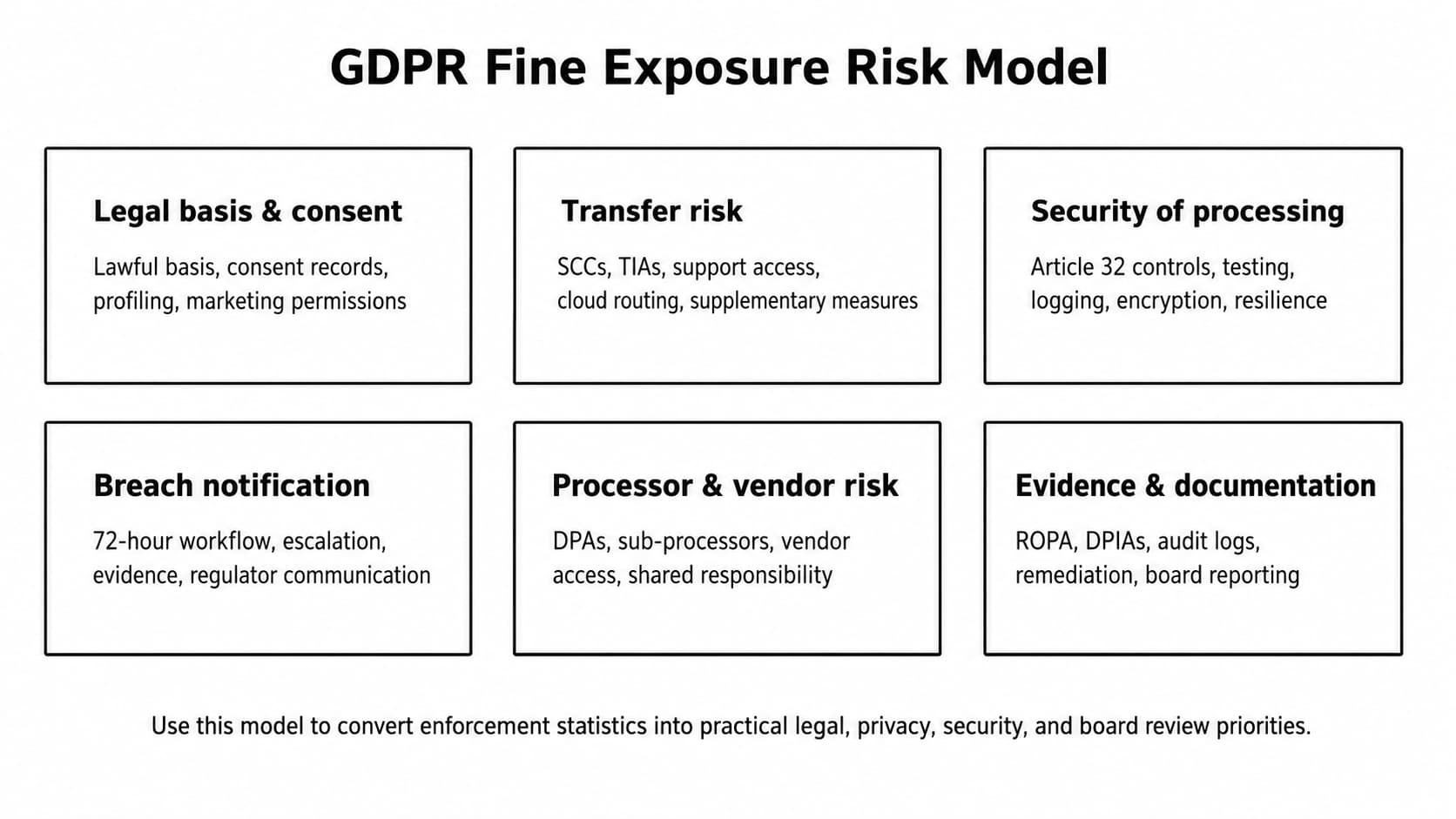
Figure 2. GDPR Fine Exposure Risk Model.
A useful GDPR fines article should add interpretation beyond a tracker. The model below turns enforcement statistics into practical risk categories for security, privacy, legal, and board teams.
| Risk Category | What It Covers | Why It Matters | What To Validate |
|---|---|---|---|
| Legal basis and consent risk | Article 5, Article 6, consent records, marketing permissions, profiling, and behavioral advertising. | Large enforcement actions often involve lawful basis, transparency, consent, and profiling failures. | Document lawful basis, consent logs, withdrawal flows, and privacy notice accuracy. |
| Transfer risk | EU-to-non-EU data transfers, SCCs, transfer impact assessments, supplementary measures, support access, cloud routing. | Cross-border transfer issues have generated some of the largest GDPR fines. | Map data flows, confirm transfer mechanisms, restrict access, and validate encryption and access controls. |
| Security of processing risk | Article 32 controls, confidentiality, integrity, availability, resilience, testing, and restoration. | Security failures can turn incidents into enforcement cases when controls were weak or undocumented. | Validate web, API, cloud, identity, logging, vulnerability management, and incident response controls. |
| Breach notification risk | Article 33 and 34 assessment, timing, escalation, regulator communication, and data subject notification. | Slow or incomplete notification can worsen enforcement exposure. | Test breach triage, 72-hour decision workflows, evidence capture, and executive escalation. |
| Processor and vendor risk | DPA contracts, sub-processors, third-party access, vendor security evidence, and shared responsibilities. | Controllers can face scrutiny even when a processor contributes to an incident. | Review processor contracts, access controls, audit evidence, and vendor security testing. |
| Evidence and documentation risk | ROPA, DPIAs, audit logs, remediation records, board reporting, training records, and control evidence. | Regulators evaluate what organizations can prove, not only what they claim. | Maintain dated evidence of control design, testing, remediation, training, and decision-making. |
Year-by-year GDPR fine totals are highly sensitive to source methodology. A single large decision can distort the entire year. This table avoids unsupported estimates and separates regulatory milestones from tracker and survey signals.
| Year / Period | Fine Signal | Source / Hyperlink | Scope | Notes |
|---|---|---|---|---|
| 2018 | GDPR became applicable on May 25, 2018. Treat as a partial enforcement year. | Official GDPR / European Commission resources | EU GDPR | Do not compare directly with full years. |
| 2019-2022 | Use official tracker exports, DLA Piper historical surveys, or annual regulator reports for exact annual values. | CMS Enforcement Tracker / DLA Piper historical surveys / regulator reports | EU/EEA and, where labeled, UK | This avoids unsupported estimates and placeholder values. |
| 2023 | The year is materially affected by Meta's €1.2B Irish DPC fine. | Irish DPC / DLA Piper / CMS Enforcement Tracker | EU GDPR | Explain outlier effect rather than presenting the year as a normal enforcement baseline. |
| 2024 | DLA Piper survey references report roughly €1.2B in fines for the referenced period, subject to jurisdiction and methodology scope. | DLA Piper survey / tracker export | EU GDPR, depending on source | Keep retrieval/report date with the value. |
| 2025 | DLA Piper survey references report roughly €1.2B in fines and a continued high enforcement signal for the referenced period. | DLA Piper survey / tracker export | EU GDPR, depending on source | Treat as a survey/tracker signal unless the source scope is confirmed. |
| 2026 | Partial year only. A full-year total should only be cited after an official or clearly dated tracker export is available. | CMS Enforcement Tracker / DLA Piper / regulator updates | Partial-year scope | Treat as partial-year data with a retrieval date. |
Country totals should not be interpreted as a simple ranking of strictness. They can reflect lead supervisory authority status, market concentration, public reporting practices, large one-off cases, and whether UK GDPR is included or excluded.
| Country / Authority | Fine Signal | Source | Date / Retrieval Context | Scope | Notes |
|---|---|---|---|---|---|
| Ireland / Irish DPC | Approximately €4.04B cumulative fines in DLA Piper / Irish DPC references | DLA Piper survey; Irish DPC case decisions | January 2026 survey reference | EU GDPR | Dominated by major technology cases. Use as lead-authority context, not a universal strictness ranking. |
| France / CNIL | CNIL annual reporting references 87 fines and approximately €55.2M in 2024 | CNIL annual reporting | 2024 report / 2025 publication context2024 report / 2025 publication context | EU GDPR and CNIL scope | Country-specific values should be read with CNIL report scope, especially where non-GDPR sanctions are included. |
| Spain / AEPD | AEPD reporting references approximately €35.6M in 2024 | AEPD official annual report or enforcement reporting | Latest official AEPD reporting with retrieval date | EU GDPR / Spain | Use official annual reporting for the latest figure; avoid social-media-only or unsourced summaries. |
| Italy / Garante | Italian Garante annual reports and official decisions provide the safest confirmed values for Italy. | Garante reports and decisions | Latest official reporting with retrieval date | EU GDPR / Italy | Report period and source scope clearly; avoid unsupported cumulative estimates. |
| Germany / federal and state DPAs | German federal and state supervisory authority reporting should be read by authority and reporting period. | German supervisory authority annual reports | Latest official reporting with retrieval date | EU GDPR / Germany | German enforcement is fragmented across state authorities, so national totals need careful scope labeling. |
| Netherlands / Dutch DPA | Dutch DPA annual reporting and individual decisions provide confirmed values for the Netherlands. | Autoriteit Persoonsgegevens | Latest official reporting with retrieval date | EU GDPR / Netherlands | Also relevant for large non-Irish cases such as Uber, where applicable. |
| United Kingdom / ICO | UK ICO monetary penalties and annual reports should be treated as UK GDPR / Data Protection Act context. | UK ICO annual reports and penalty notices | Latest ICO reporting period | UK GDPR / Data Protection Act context | Keep separate from EU GDPR totals unless the table explicitly says EU+UK. |
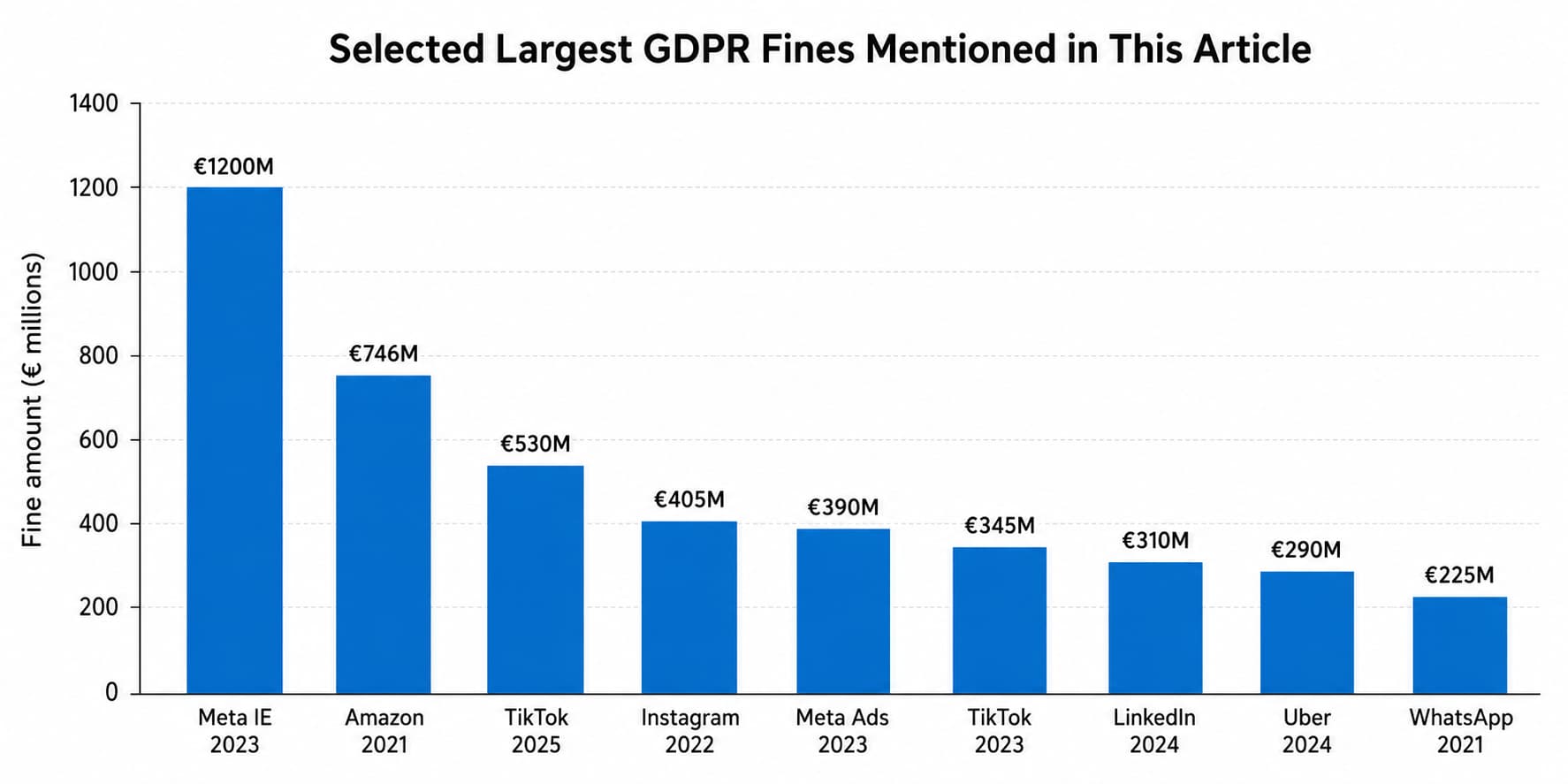
Figure 3. Selected largest GDPR fines bar chart.
The table below is written with legal and source caution. It avoids unsupported cases and does not call a fine final unless final status has been independently verified. Each case should be read alongside the official regulator decision or a trusted tracker entry where available.
| Organization | Fine Amount | Authority | Year | Primary Issue | Status / Caveat |
|---|---|---|---|---|---|
| Meta Platforms Ireland | €1.2B | Irish DPC | 2023 | EU-US data transfers | Regulator decision announced. Appeal and final-status context may change; rely on latest authority or tracker entry for legal reliance. |
| Amazon Europe Core | €746M | Luxembourg CNPD | 2021 | Advertising / processing basis and transparency context | Widely cited as a major GDPR fine. Appeal and status context may change. |
| TikTok Technology Ltd | €530M | Irish DPC | 2025 | Transfers of EEA user data to China | Read with the latest Irish DPC decision and current tracker entry for status context. |
| Meta / Instagram | €405M | Irish DPC | 2022 | Children's data processing and account settings | Use the official authority decision for case details and current status. |
| Meta Platforms Ireland | €390M | Irish DPC | 2023 | Legal basis for personalized advertising | Dataset treatment matters because related Facebook and Instagram decisions may be counted separately. |
| TikTok | €345M | Irish DPC | 2023 | Children's data processing and default settings | Issue summary should be read against the official authority decision. |
| LinkedIn Ireland | €310M | Irish DPC | 2024 | Targeted advertising, transparency, and lawful basis | Appeal or final-status context may change; use latest authority or tracker entry. |
| Uber | €290M | Dutch DPA | 2024 | Transfers of driver data to the United States | Read with the Dutch DPA decision or current tracker entry for status context. |
| Meta Platforms Ireland | €265M | Irish DPC | 2022 | Data scraping and data protection by design/default | Scope and appeal-status context may change; use latest authority or tracker entry. |
| Meta Platforms Ireland | €251M | Irish DPC | 2024 | Facebook security incident and breach-related obligations | Legal articles and current status should be read against the official decision. |
| WhatsApp Ireland | €225M | Irish DPC | 2021 | Transparency obligations | Appeal or modification context may change; use latest authority or tracker entry. |
Violation categories overlap. A single decision may involve several articles, such as transparency, lawful basis, transfers, security, and breach notification. The table below avoids unsupported exact category totals and focuses on enforcement interpretation.
| Violation Type | Examples / Common Context | Fine Signal | Source Treatment | Security / Privacy Implication |
|---|---|---|---|---|
| International transfers | EU-to-US or EU-to-China transfers, SCCs, transfer impact assessments, supplementary measures. | Very high tail risk; several of the largest fines involve transfers. | Case values should be read against official decisions and DLA Piper / CMS tracker context. | Map data flows, restrict access, document transfer mechanisms, and validate encryption and access controls. |
| Lawful basis and consent | Behavioral advertising, profiling, marketing consent, consent withdrawal, and legal-basis documentation. | High in large platform cases; variable elsewhere. | Use regulator decisions and official case summaries. | Privacy, legal, and product teams must document legal basis and consent evidence. |
| Transparency and notices | Privacy notices, user disclosures, controller/processor roles, sharing with affiliates. | Can reach large values in platform cases. | Official decisions, such as WhatsApp transparency cases, provide the safest context where verified. | Notices must be accurate, clear, complete, and matched to actual processing. |
| Security of processing / Article 32 | Weak access controls, lack of encryption, poor logging, weak vulnerability management, and preventable breaches. | Variable. Often combined with breach notification and accountability findings. | Official DPA decisions and annual reports should guide interpretation; totals should not be inferred without source data. | Validate technical and organizational measures with evidence. |
| Breach notification / Articles 33 and 34 | Late regulator notice, incomplete notification, poor impact assessment, delayed data-subject communication. | Often lower than transfer mega-fines but serious when combined with poor controls. | Official DPA decisions and annual reports provide the safest source context. | Maintain 72-hour assessment workflow, incident records, and escalation evidence. |
| Data subject rights | Access, erasure, rectification, objection, portability, and deadline failures. | Usually case-specific; can reflect process maturity. | Use national DPA reports and official decisions. | Test request workflows and evidence retention. |
| Children's data | Default visibility, age-appropriate design, parental consent, transparency for minors. | Can be high when large platforms or sensitive users are involved. | Official regulator decisions provide the safest case context. | Product, legal, and security teams should treat minors' data as elevated risk. |
| Processor/controller obligations | Article 28 contracts, vendor access, sub-processors, processor instructions, and shared responsibilities. | Variable and often underreported in simplified stats. | Official cases and regulator guidance provide the safest source context. | Vendor evidence, contracts, and access governance matter. |
| Cookies / tracking | Cookie banners, analytics, tracking, adtech consent. | Often ePrivacy rather than GDPR; label separately. | Do not include in GDPR totals unless the source classifies the case under GDPR. | Useful context, but keep legal regime boundaries clear. |
Article 32 requires controllers and processors to implement appropriate technical and organizational measures to ensure a level of security appropriate to the risk. This can include pseudonymization, encryption, confidentiality, integrity, availability, resilience, restoration capability, and a process for regularly testing and evaluating security measures.
A personal data breach does not automatically mean a GDPR fine. Regulators examine the facts: the nature of the data, number of affected individuals, prior controls, detection and notification timing, mitigation, cooperation, and documentation. A breach can become more serious when the organization cannot show reasonable security measures, cannot explain data flows, lacks logs, or delays notification.
Penetration testing can support Article 32 evidence when it is authorized, scoped, documented, and followed by remediation. It should be presented as one part of a broader security program that includes vulnerability management, logging, incident response, encryption, access control, vendor governance, backup testing, and privacy governance. Do not claim that testing alone satisfies GDPR or guarantees reduced fines.
| Security Area | GDPR Relevance | Evidence to Maintain |
|---|---|---|
| Web application security | Public applications can expose personal data through authentication, authorization, injection, session, and business logic flaws. | Scope, test report, exploit evidence, remediation tickets, retest results. |
| API security | APIs often expose account data, identifiers, records, and integration access. | API inventory, auth model review, rate limit tests, object-level authorization findings, fixes. |
| Cloud and IAM | Misconfiguration and overprivileged access can expose EU personal data or processing environments. | IAM review, CSPM results, encryption configuration, logging, privilege reviews. |
| Incident response | Regulators can examine breach assessment, notification timing, and mitigation steps. | Playbooks, tabletop records, regulator notification workflow, incident timeline. |
| Vulnerability management | Unpatched known vulnerabilities can support negligence findings in some cases. | Patch SLAs, exception process, risk acceptance, vulnerability trend metrics. |
| Vendor access | Processors and sub-processors can create exposure for controllers. | DPA contracts, access logs, vendor attestations, audit records, security reviews. |
GDPR enforcement patterns are broader than breach response. The largest cases show attention to international transfers, lawful basis for behavioral advertising, transparency, and children's data. Security-related cases show the importance of Article 32 controls, especially when personal data is exposed and the organization cannot show reasonable measures.
Consent and lawful basis remain recurring enforcement themes. Regulators often scrutinize whether users had clear information, real choice, and a lawful basis for processing. Tracking and cookies can overlap with ePrivacy, so keep those regimes separate in statistics tables. Transparency failures can produce significant fines when disclosures do not match real processing, data sharing, or profiling practices.
For security teams, the enforcement lesson is to align technical validation with privacy documentation. If a company claims it protects EU personal data, it should be able to show system inventory, data classification, access controls, logging, incident response evidence, vendor controls, and a regular testing process.
EU GDPR and UK GDPR are related but separate enforcement environments. EU/EEA fines are issued by EU or EEA supervisory authorities. UK GDPR penalties are issued by the UK Information Commissioner's Office and should be labeled separately in statistics. Do not combine EU and UK totals unless the table heading explicitly says EU+UK and the source scope supports the combination.
For UK figures, use ICO annual reports and individual monetary penalty notices. For EU figures, use official DPAs, EDPB materials, national reports, DLA Piper survey context, and a clearly labeled tracker such as CMS Enforcement Tracker. Currency also matters: UK fines are often reported in GBP, while EU fines are commonly reported in EUR.
The existing DeepStrike URL has historical privacy-law context, so a short comparison can help preserve intent without diluting the GDPR focus. Keep CCPA/CPRA data separate from GDPR fine totals.
| Law / Regime | What It Covers | How to Mention It in This Article |
|---|---|---|
| EU GDPR | EU/EEA data protection obligations and administrative fines under GDPR. | Main focus of the article. |
| UK GDPR / Data Protection Act | UK privacy enforcement after Brexit. | Mention separately from EU totals. |
| CCPA/CPRA | California privacy rights, enforcement, and civil penalties. | Mention only as a separate privacy-law penalty regime; do not merge into GDPR totals. |
| ePrivacy / cookie enforcement | Cookie, tracking, and electronic communications rules in Europe. | Use as consent/tracking context only if clearly labeled. |
GDPR can apply to non-EU organizations in specific circumstances, including offering goods or services to people in the EU or monitoring their behavior. This article does not provide legal advice, but global SaaS, fintech, ecommerce, health technology, adtech, cloud, and mobile app companies should not assume GDPR is irrelevant because they are headquartered outside Europe.
Common exposure areas for US and non-EU companies include EU user analytics, behavioral advertising, cloud support access, international transfers, sub-processor access, account data exposed through APIs, breach notification decision-making, and data subject rights processes. Legal and privacy teams should define applicability. Security teams should validate systems that process EU personal data.
The average GDPR fine is a useful search query but a weak planning metric. The mean is heavily skewed by a small number of mega-fines. A simple average created by dividing cumulative fines by case count can produce a number that does not represent the typical case, the median case, or the likely exposure for a specific organization.
A better approach is to segment by violation category, company size, turnover, regulator, sector, and data category. Boards should review tail-risk cases, typical enforcement examples, and internal control maturity together. The safest framing is: average values are context indicators, not prediction tools.
From a search-intent perspective, the phrase "average GDPR fine" matters because users often want a number. The article should answer that need, then explain why a single average is not enough for risk planning.
| Risk Driver | Why It Can Affect Fine Exposure | What Teams Should Measure |
|---|---|---|
| Nature and gravity | More serious infringements and higher impact can increase exposure. | Affected systems, number of data subjects, sensitivity, harm analysis. |
| Duration | Long-running violations can indicate poor oversight. | Time from issue introduction to detection and remediation. |
| Data categories | Special-category data and children's data can elevate risk. | Data classification, sensitive-data inventory, minors' data processing. |
| Intent or negligence | Reckless or repeated failures can aggravate enforcement. | Audit history, unresolved findings, risk acceptance, board reporting. |
| Mitigation and cooperation | Fast action and cooperation can affect regulatory assessment. | Incident timeline, regulator communication, remediation records. |
| Breach notification | Late or incomplete notification can create separate issues. | 72-hour assessment process, escalation paths, legal review workflow. |
| Security controls | Weak controls can support Article 32 findings. | Encryption, MFA, least privilege, logging, vulnerability management, pentest results. |
| Vendor governance | Processor failures can expose controllers and processors. | Data processing agreements, sub-processor lists, vendor testing evidence. |
| Transfer governance | Large fines often involve international transfer issues. | Data-flow maps, SCCs, TIAs, access restrictions, encryption. |
| Documentation | Lack of evidence can undermine defenses. | ROPA, DPIAs, policies, training logs, remediation history. |
No control guarantees GDPR compliance or eliminates fine exposure. The point is to reduce risk, improve evidence, and show a reasonable security and governance program where legally relevant.
| Control Area | GDPR Relevance | What To Validate |
|---|---|---|
| Data inventory and ROPA | Accountability and processing visibility. | Current data map, ownership, processing purposes, systems, data flows. |
| Lawful basis documentation | Article 6 and core processing principles. | Documented lawful basis per processing activity and approval workflow. |
| Consent and preference management | Consent, withdrawal, marketing, tracking, and minors where relevant. | Consent logs, withdrawal flows, cookie/tracking configuration, age gates. |
| Privacy notices | Transparency and data subject information. | Notice accuracy, processing disclosures, third-party sharing, update process. |
| DPIAs | High-risk processing governance. | DPIA triggers, completed assessments, residual risk decisions, mitigation actions. |
| Vendor and processor management | Article 28 and third-party risk. | DPAs, sub-processor inventory, vendor security evidence, access reviews. |
| Data transfer controls | Chapter V transfer governance. | SCCs, transfer impact assessments, encryption, access restrictions. |
| Incident response and notification | Articles 33 and 34. | Playbooks, tabletop exercises, notification criteria, regulator communication. |
| Encryption and key management | Article 32 security of processing. | Encryption at rest/in transit, key rotation, key access governance. |
| Web and API penetration testing | Evidence of regular testing and vulnerability remediation. | Authorized testing scope, findings, remediation, retesting. |
| Cloud security testing | Cloud-hosted personal data and support access risk. | IAM, public exposure, logging, storage configuration, secrets management. |
| Logging and monitoring | Detection, investigation, and breach assessment. | Log coverage, retention, alerting, SIEM use cases, forensic readiness. |
| Patch and vulnerability management | Reasonable technical measures. | Critical patch SLAs, exception tracking, verified remediation. |
| Backup and resilience | Availability and restoration under Article 32. | Restore tests, backup segmentation, ransomware recovery drills. |
| Training and governance | Accountability and human-risk reduction. | Training completion, phishing drills, DPO/security committee evidence. |
| Security / Privacy Area | What GDPR Fine Data Suggests | What Teams Should Check |
|---|---|---|
| EU/UK applicability | Jurisdiction drives enforcement exposure. | Confirm EU/UK user targeting, monitoring, establishment, and representative requirements with legal counsel. |
| Data inventory | Weak visibility undermines accountability. | ROPA, data map, system owners, transfer paths. |
| Sensitive data | High-risk data increases scrutiny. | Health, biometrics, children's data, financial data, credentials. |
| Lawful basis | Unlawful processing can trigger high-tier exposure. | Lawful basis records and DPO/legal approvals. |
| Consent records | Consent failures recur in enforcement. | Consent evidence, withdrawal process, marketing rules. |
| Privacy notices | Transparency failures can be high impact. | Notice content against actual processing. |
| Data subject rights | Poor workflows lead to complaints. | Request intake, deadlines, identity verification, response evidence. |
| DPIAs | High-risk processing needs documented review. | DPIA inventory and mitigation tracking. |
| Transfers | Transfer issues drive large fines. | SCCs, TIAs, supplementary measures, access restrictions. |
| Vendors/processors | Third-party gaps can become controller issues. | Contracts, access logs, vendor evidence, sub-processor inventory. |
| Cloud/IAM | Misconfiguration and overprivilege create breach exposure. | Least privilege, MFA, logging, storage exposure, admin accounts. |
| Web/API security | Application flaws can expose personal data. | Current pentests, API tests, remediation, retesting. |
| Incident response | Breach handling is a regulatory evidence area. | 72-hour assessment, tabletop exercises, notification templates. |
| Backups/resilience | Availability is part of Article 32. | Restore tests, ransomware readiness, backup isolation. |
| Documentation | Evidence quality affects defensibility. | Policies, audit logs, board reports, remediation records. |
GDPR fines are administrative monetary penalties issued by competent data protection authorities for GDPR infringements. They are separate from civil compensation, breach recovery costs, settlements, ePrivacy fines, cyber insurance claims, and other privacy-law penalties.
They show enforcement trends by source, jurisdiction, violation type, country, and case value. They do not provide a fixed prediction for any organization because fine calculation is fact-specific and influenced by legal, technical, and mitigation factors.
Article 83 includes two main maximum caps: up to €10M or 2% of total worldwide annual turnover for Article 83(4) infringements, and up to €20M or 4% for Article 83(5) and 83(6) infringements. These are maximum caps, not typical fines.
Depending on the infringement, GDPR administrative fines can reach up to 2% or 4% of total worldwide annual turnover of the preceding financial year, whichever is higher. Avoid saying revenue unless the GDPR turnover wording is clarified.
There is no single reliable average that fits every organization. Simple averages are distorted by large cases involving major technology companies. Boards should use segmented scenarios by regulator, violation type, company size, turnover, and control maturity.
DLA Piper and CMS Enforcement Tracker references place Ireland among the highest cumulative fine values due to major technology-company cases supervised by the Irish DPC. Use DLA Piper, CMS Enforcement Tracker, and official DPC decisions with current retrieval dates.
No. GDPR fines can involve lawful basis, consent, transparency, data subject rights, international transfers, security of processing, breach notification, processor obligations, and other GDPR obligations. Data breaches are only one enforcement path.
Yes, GDPR can apply to non-EU organizations in specific circumstances, such as offering goods or services to EU individuals or monitoring their behavior. Organization-specific applicability requires legal review.
EU GDPR fines are issued by EU/EEA supervisory authorities. UK GDPR penalties are issued by the UK ICO and should be reported separately unless a source clearly combines EU and UK data.
Penetration testing can support Article 32 security evidence when properly scoped, authorized, documented, and remediated. It does not guarantee GDPR compliance, prevent fines, replace legal counsel, or substitute for broader privacy governance.
GDPR fines statistics are useful when they are read as enforcement intelligence rather than as a simple penalty calculator. Article 83 caps show legal exposure, but actual fines depend on facts, regulator assessment, company size, turnover, infringement type, mitigation, cooperation, and documentation. The largest cases show tail risk, while average values are distorted by a small number of large technology-company fines.
For security, privacy, legal, and GRC teams, the practical lesson is to focus on defensible controls: lawful basis, transparency, transfer governance, vendor management, incident response, breach notification, Article 32 security, and evidence of regular testing and remediation. GDPR fines statistics should guide governance and security validation, not replace legal review. Teams sourcing that testing capability under Irish DPC supervision can start from our list of penetration testing companies in Ireland.
DeepStrike can support security diligence through authorized web application penetration testing, API penetration testing, cloud security testing, red team assessments, remediation tracking, and retesting support. This can help teams validate technical controls relevant to Article 32, but it does not guarantee GDPR compliance, eliminate fine exposure, or replace DPO and legal counsel.
Mohammed Khalil is a Cybersecurity Architect at DeepStrike, specializing in advanced penetration testing and offensive security operations. With certifications including CISSP, OSCP, and OSWE, he has led red team and application security engagements across technology, finance, healthcare, cloud, and regulated environments. His work focuses on real-world attack path validation, application vulnerabilities, API security, cloud security, identity exposure, breach-risk reduction, and adversary emulation.

Stay secure with DeepStrike penetration testing services. Reach out for a quote or customized technical proposal today
Contact Us
