December 30, 2025
Updated: September 14, 2026
An independent, expert-led comparison of France’s leading cybersecurity providers

Mohammed Khalil
In 2026 the stakes have never been higher. Enterprises face AI‐powered cyberattacks and strict regulations. IBM reports the global average breach cost at $4.4M, and France remains a top‐10 ransomware target. EU laws like NIS2, DORA and France’s SecNumCloud label impose mandates for testing and audits. For example, DORA requires threat‐led penetration testing of financial systems, and the CNIL French GDPR authority demands regular security audits. These pressures mean choosing the right cybersecurity partner is not optional. This independent ranking uses objective criteria expertise, certifications, services scope, etc. to help French buyers compare vendors.
We evaluated each firm against strict criteria to ensure transparency and expertise:
This methodology ensures each ranking reflects practical buyer needs. All vendors below are compared fairly by these criteria.
Choosing the right provider means cutting through marketing hype and focusing on real capabilities:
In short, prioritize proven expertise, relevant experience, and transparency. Verify any claims with data: ask for previous pentest reports redacted or threat intelligence examples. For guidance on practical testing steps, see our article on penetration testing best practices.
We first list France based specialists, then global firms with strong French operations. All companies below scored high on our criteria.
Why They Stand Out: DeepStrike is a hacker driven pentesting firm that emphasizes advanced manual testing and cloud/API expertise. Their team holds OSCP/OSCE/CISSP certifications and includes former bug bounty champions. They offer a real time PTaaS platform with 24/7 access, Slack/ServiceNow integration, and unlimited retesting for validated fixes. Reports are highly detailed yet actionable, often praised by clients for clear remediation steps and risk prioritization. DeepStrike’s agility and small team structure allow quick mobilization, often <48h start up and flexible engagements compared to larger consultancies.
Key Strengths:
Potential Limitations:
Best For: Cloud first organizations, SaaS and technology companies, start ups and mid market firms seeking continuous or repeated pentesting. Also a strong choice for enterprises needing thorough, developer friendly security assessments.
Why They Stand Out: Orange Cyberdefense is a heavyweight, leveraging Orange’s global resources. It holds ANSSI’s PASSI qualification and ISO 27001, ensuring rigorous processes. Orange offers end to end services from managed detection and SOC operations to high end pentesting and red teaming. They pair proprietary threat intel with human experts to simulate phishing, lateral movement and other advanced attacks. Orange’s French branch often collaborates with ANSSI and other standards bodies, making it a go to for strictly regulated firms. Their reports are enterprise grade including executive summaries, and they invest heavily in R&D.
Key Strengths:
Potential Limitations:
Best For: Large enterprises, government agencies, and regulated industries finance, critical infrastructure that need a fully managed security program with strict accreditation PASSI and deep local expertise.
Why They Stand Out: Thales Cybersecurity draws on its defense heritage. Many consultants are former military or intelligence operatives with specialized security clearances. They excel at rigorous testing of critical systems including OT, SCADA, and hardware components, a legacy of Thales’ aerospace and military background. Thales is PASSI qualified and ISO 27001 accredited, reflecting military grade processes. They handle high stakes projects for energy grids, defense networks, and banking infrastructure. Thales’s approach often includes comprehensive assessments, even physical/social engineering if needed and extremely thorough documentation.
Key Strengths:
Potential Limitations:
Best For: National defense and critical infrastructure operators airports, power, manufacturing, large banking and energy firms requiring top tier, government level security testing.
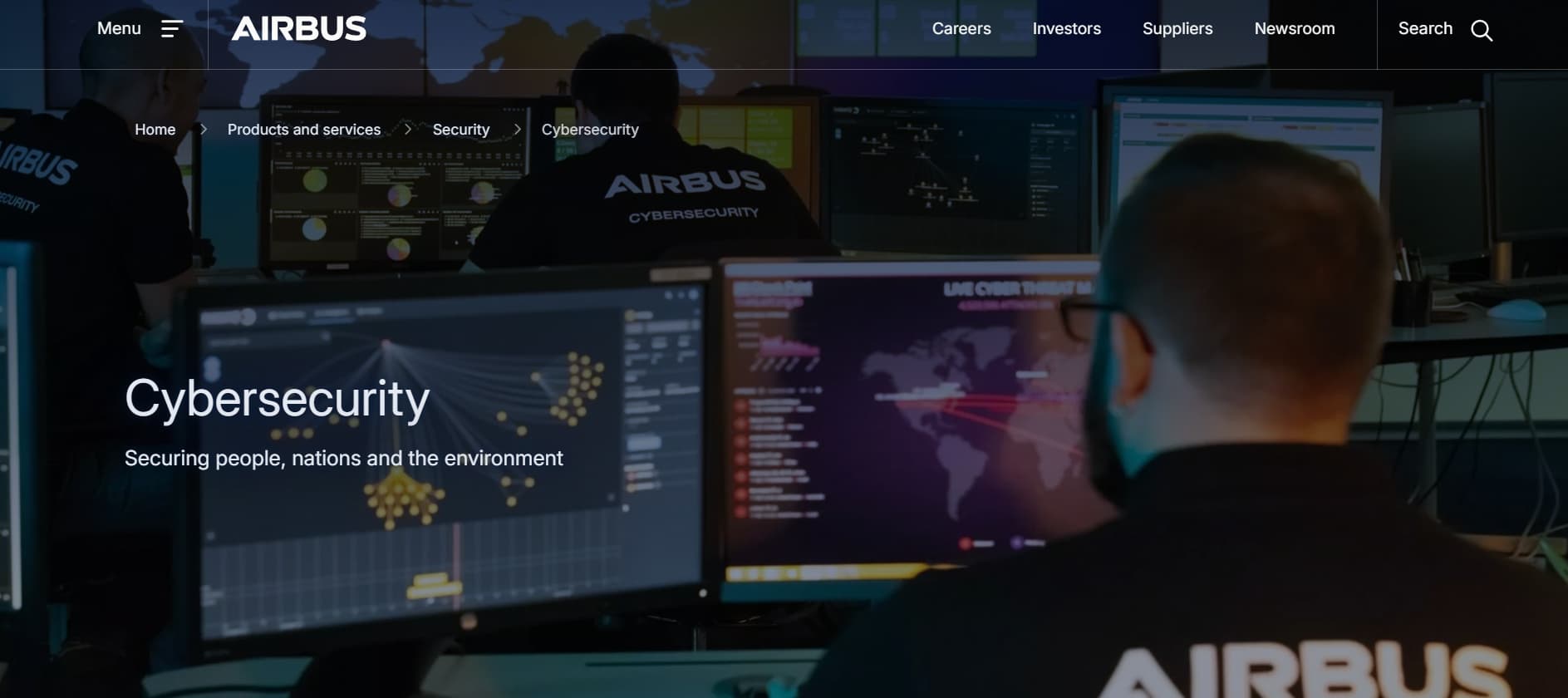
Why They Stand Out: Hasco Airbus’s spun‑off cybersecurity arm specializes in securing operational technology. Their engineers know SCADA/ICS and embedded systems inside out, making them leading experts in sectors like air traffic control and smart transportation. They frequently support French and European critical infrastructure, even running ANSSI cyber exercises. For purely IT systems they also provide web/mobile security audits, but their core strength is in industrialized environments. Clients cite Airbus’s ability to find cutting edge vulnerabilities in rugged hardware and proprietary systems.
Key Strengths:
Potential Limitations:
Best For: Critical infrastructure and manufacturing companies transportation networks, utilities, aerospace systems where OT security is paramount, and clients need world class SCADA vulnerability analysis.
Why They Stand Out: Synacktiv is a homegrown boutique pentest team with an offensive mindset. Their testers hold OSCP level skills and the firm is PASSI qualified with ISO 27001. Synacktiv is known for creative attack methods, logic/chain exploits and for developer friendly reports that clearly explain vulnerabilities and fixes. They publish public research and bug bounty write ups, boosting credibility. Because Synacktiv is smaller and agile, pricing and engagements are competitive, often making them ideal for French SMEs and startups seeking a partner rather than a huge auditor.
Key Strengths:
Potential Limitations:
Best For: Tech startups, SaaS companies, and French SMEs that value an engaging, hands on pentesting partner. Also well suited for cloud native firms needing ongoing assessments without enterprise level costs.
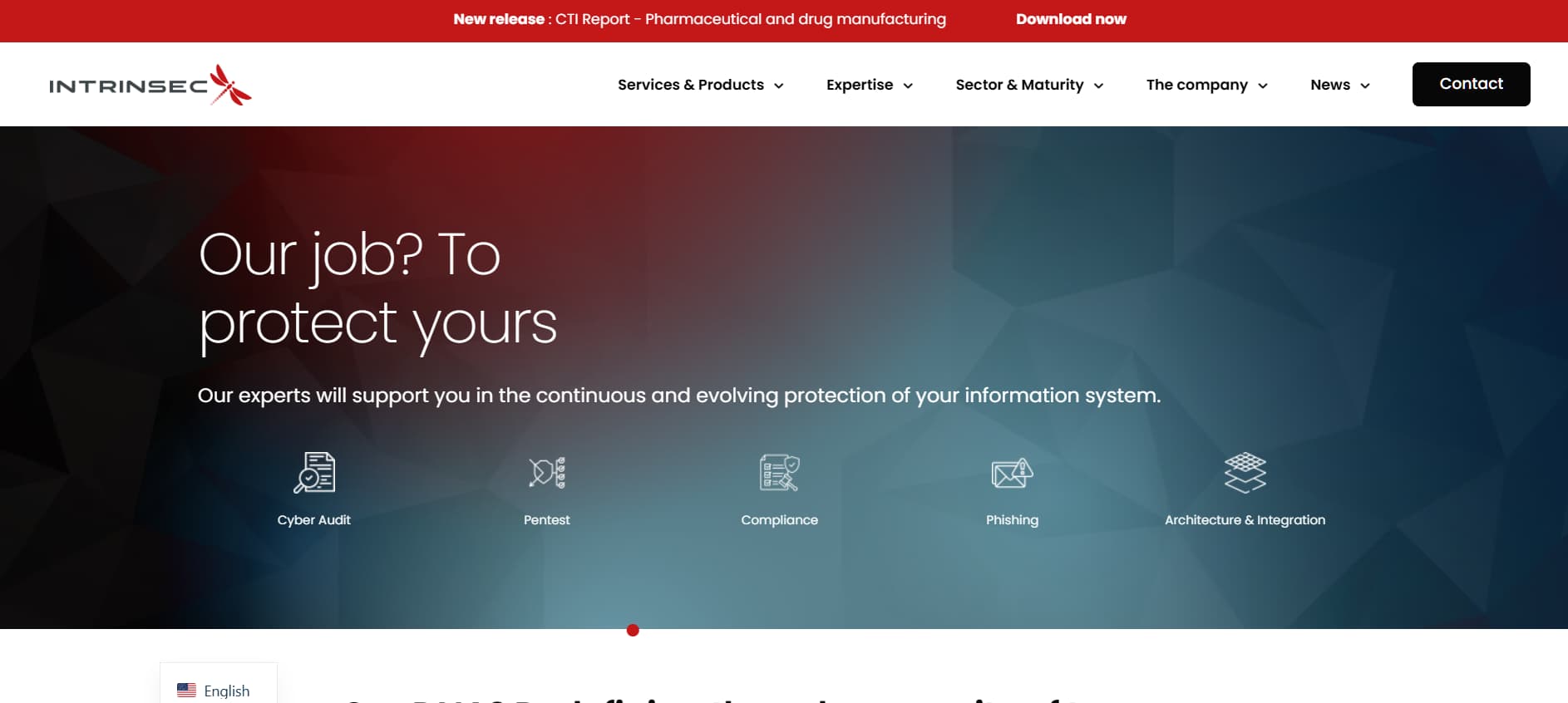
Why They Stand Out: Intrinsec is one of France’s older cybersecurity firms. It holds ANSSI/PASSI qualifications and often bundles ISO 27001 audits with technical tests. Intrinsec blends offensive testing with risk consulting and has dedicated SOC/CTI services. Their legacy clients include banks and critical infrastructure. Intrinsec prides itself on combining deep security audits with hands on pentesting in a single engagement.
Key Strengths:
Potential Limitations:
Best For: Large enterprises and regulated organizations seeking a blended audit + pentest approach. Good for clients needing formal compliance documentation plus testing.
Why They Stand Out: Capgemini is a global IT integrator with a massive security arm. In ISG’s France cybersecurity survey, Capgemini is named a Leader in multiple categories. They offer virtually all security services from strategy consulting to 24/7 SOC operations backed by a large team in France. Capgemini’s strength lies in integration and scale: they can handle multi year transformation projects and operate advanced security platforms across enterprise environments.
Key Strengths:
Potential Limitations:
Best For: Large corporations and multi national enterprises that need a single partner for global cybersecurity transformation. Best for organizations valuing integrated service lines over point solutions.
Why They Stand Out: is an emerging French leader in detection and response. Their platform fuses CTI, AI guided analytics, and SOAR automation to modernize SOC operations. A recent Series B 2026 underscores investor confidence. Sekoia’s emphasis is on rapid incident detection: their AI Native tools surface threats automatically. They also offer a SOC service for clients who prefer managed detection rather than building in house. Backed by Orange Ventures and global investors, Sekoia bridges startup agility with enterprise security needs.
Key Strengths:
Potential Limitations:
Best For: Mid size to large organizations looking to modernize their SOC or outsource detection. Well suited for companies adopting cloud and needing AI driven threat monitoring.
| Company | Specialization | Best For | Region | Compliance | Ideal Size |
|---|---|---|---|---|---|
| DeepStrike | Continuous pentesting PTaaS, red teaming, cloud/API security | Cloud/SaaS, tech firms, mid market | Global US & FR | ISO 27001, SOC 2, PCI DSS, CNIL/GDPR audits | Medium to Enterprise |
| Orange Cyberdefense | MDR/SOC, network/app pentesting, IR, managed security | Large enterprises, regulated industries | France Global | ANSSI PASSI, ISO 27001, SecNum | Large/Enterprise |
| Thales Cybersecurity | High end pentesting including OT/hardware, IR support | Defense, energy, finance, gov't | France Global | ANSSI PASSI, ISO 27001 | Large/Enterprise |
| Airbus/Hasco | OT/SCADA pentesting, industrial control security, SOC services | Aerospace, transport, critical infrastructure | France Global | ANSSI PASSI, ISO 27001 | Large/Enterprise |
| Synacktiv | Offensive security pentesting, red team | Startups, SMBs, tech companies | France | ANSSI PASSI, ISO 27001 | Small/Medium |
| Intrinsec | Pentesting, security audits, CTI | Finance, telecom, energy sectors | France | ANSSI PASSI, ISO 27001 | Medium/Large |
| Capgemini | End to end cybersecurity, consulting, MDR/SOC | Multinational enterprises, transformation projects | Global HQ FR | ISO 27001, various industry | Large/Enterprise |
| Sekoia | MDR/XDR platform, SOC as a service | Cloud/IT enterprises needing modern SOC | France/Europe | ISO 27001, SOC 2 | Medium/Large |
Large corporations and mid size firms generally prefer providers with extensive services and global support. When to choose large firms, If you need 24/7 SOC coverage, multi region threat intelligence, or integration across many IT domains, a big vendor Orange, Capgemini, Atos, etc. can offer scale and process maturity. They excel at complex deployments and long term contracts, though at higher cost. Large teams can handle one off audits, ongoing managed security, and multi year digital transformations.
In contrast, boutique firms often outperform in flexibility and speed. Smaller pentest specialists like DeepStrike or Synacktiv can start quickly <48h and adapt to evolving needs. They offer closer attention to customers and tend to be more transparent with pricing and technical detail. For mid sized organizations and lean security budgets, a boutique’s tailored approach and developer friendly mindset can yield better value. However, they may lack large scale SOC or in country coverage across all time zones.
Cost vs value trade off: Large consultancies will command premium rates but provide extensive compliance documentation and global reporting dashboards. Boutiques charge less but often deliver more hands-on guidance and faster remediation cycles. Your decision should weigh factors such as required certifications PASSI, ISO, language support, and the complexity of your infrastructure. In any case, ensure the provider’s expertise matches your environment e.g., cloud native SMBs might prefer an agile, cloud savvy partner, whereas a multinational bank might prioritize a certified global firm.
Costs vary by scope. A basic web app test for a small organization might cost on the order of €3,000–€5,000, whereas a comprehensive network/infra pentest for a large enterprise can exceed €12,000. For example, a 3 day application test might be around €2,000, while a 15+ day enterprise network test can exceed €13,000. Daily rates for top experts typically range €600–€1,000. Red Team exercises simulating a full attack are even higher. Always compare several quotes, ensuring they include both manual and automated testing. Beware any extremely low bid often indicative of automated scans only.
Both matter, but skill and process beat flashy tools alone. Certifications like OSCP, CISSP or ANSSI PASSI signal that staff have passed rigorous exams or government vetting. However, many top pentesters emphasize hands-on experience over credentials. In fact, an ANSSI PASSI qualifies a firm for official audits, but high skill firms like DeepStrike or Synacktiv sometimes operate without it by showcasing real world results. Evaluate certifications as a baseline they reduce risk, but insist on seeing the team’s track record, methodologies e.g. OWASP, NIST PTES, and client references.
Engagement length depends on complexity. A short web/mobile pentest might be 3–5 working days, whereas a broad network/SCADA test could require 2+ weeks. As a rule of thumb, DeepStrike’s data shows a 3 day app test ~€2K and a large network test 15+ days at €13K+, implying those time frames. After the test, allow several days for report generation. For recurring needs, consider Pentest as a Service PTaaS models, which embed continuous scanning into your DevOps pipeline.
Top firms deliver detailed vulnerability reports plus an executive summary. Reports include evidence for each finding, a severity or risk rating, and prioritized remediation steps. Good providers DeepStrike, Orange, etc. also include overall risk scores or heatmaps and post test support recommendations. Look for firms that offer artifacts useful for your workflow for example, CSV exports, issue tracker tickets, or integrations with Slack/Jira. Also verify whether retesting of fixes is included. In France, many vendors DeepStrike, Synacktiv include one free retest round to confirm fixes, which adds value.
Regularly. In the current climate, pentesting is considered mandatory hygiene rather than one off. At minimum, conduct a full test annually or after major changes, new systems, and big releases. ISO 27001 Annex A requires frequent security tests, and GDPR/ANSSI guidance advises periodic vulnerability assessments. Many companies are now moving to continuous testing e.g., quarterly scans or PTaaS to rapidly catch new flaws. Ultimately, frequency depends on risk: fast changing environments and highly regulated industries should test more often.
Selecting a cybersecurity partner in France demands careful research. We have ranked providers strictly by the criteria above, without marketing bias. Each organization from boutique pentesters to global integrators has strengths and weaknesses in different areas. We encourage buyers to verify claims through references, consider language/regional fit, and align a provider’s expertise with their own risk profile. The best choice will depend on your specific needs: whether it’s advanced red teaming, managed SOC, regulatory compliance, or a mix of these. Stay informed, ask tough questions, and use this guide to shortlist vendors so that you can make a fully informed, evidence driven decision. Teams benchmarking vendors across the wider European market can compare this list with the top cybersecurity companies in Spain to see how specialization and delivery models differ by country.
About the Author
Mohammed Khalil is a Cybersecurity Architect at DeepStrike, specializing in advanced penetration testing and offensive security operations. With certifications including CISSP, OSCP, and OSWE, he has led numerous red team engagements for Fortune 500 companies, focusing on cloud security, application vulnerabilities, and adversary emulation. His work involves dissecting complex attack chains and developing resilient defense strategies for clients in the finance, healthcare, and technology sectors.

Stay secure with DeepStrike penetration testing services. Reach out for a quote or customized technical proposal today
Contact Us
