November 2, 2025
Updated: November 5, 2026
A definitive 2026 list of the best cybersecurity and hacking movies from cult classics like Hackers and Sneakers to new tech thrillers like Tron: Ares and The Amateur with a realism check on every hack.

Mohammed Khalil
If you want the best cybersecurity movies and hacking movies to start with, watch WarGames and Hackers for classic hacker culture, Sneakers and Blackhat for more grounded security work, and Zero Days for real cyber operations. Newer titles such as The Accountant 2 and Tron: Ares are fun cyber-adjacent picks rather than realistic hacking films. This 2026 edition keeps the established 50-title countdown while separating realistic cyber work from broader technology, surveillance, AI, and cybercrime themes. The numbering preserves this list's original countdown and is not a realism ranking; use the Cyber Realism rating and Quick Picks to choose. Each entry includes a short Cyber Realism rating so you can tell whether you are watching credible security ideas or pure movie magic. It also flags which picks are cyber-adjacent rather than true hacker films.
A strict list of movies that show real exploitation would be much shorter than 50. Search behavior around cyber movies, hacking movies, hacker movies, cybercrime movies, and broader tech movies overlaps, so this guide intentionally covers five neighboring themes: direct computer intrusion, cybercrime, surveillance and privacy, cryptography, and speculative AI or cyberpunk systems.
The rating below is not a film-review score. High means the movie or documentary presents security concepts, attacker behavior, privacy issues, or investigative work in a way that maps reasonably well to reality. Medium means the premise is useful but heavily compressed. Low means the cyber element is mostly metaphor, spectacle, or science fiction. For the real-world process behind authorized security testing, see DeepStrike’s guide to what penetration testing is.
| If you want... | Start with | Why |
|---|---|---|
| A classic hacker movie | WarGames or Hackers | They defined two very different eras of hacker culture. |
| The closest thing to a pentest team | Sneakers | Reconnaissance, social engineering, teamwork, and adversarial thinking drive the caper. |
| A modern fictional cyber thriller | Blackhat | It spends more time on real operational detail than most blockbusters. |
| Real cyberwar history | Zero Days | Documentary treatment of Stuxnet and state-grade cyber operations. |
| Privacy and surveillance | The Great Hack or Snowden | A documentary on the Cambridge Analytica data scandal and a drama about the NSA leaks (pair the latter with the documentary Citizenfour). |
| Social engineering and scams | The Beekeeper | Its fraud premise is more realistic than its action-movie response. |
| AI and cyberpunk | Ex Machina, Tron, or Anon | Best for questions about control, identity, surveillance, and autonomous systems. |
Hollywood often compresses an intrusion into seconds because reconnaissance, testing, verification, and reporting are difficult to dramatize. Real security work is closer to a controlled investigation: define scope, observe the environment, test hypotheses, validate impact, and document evidence. The OWASP Web Security Testing Guide shows how structured web testing is organized.
NIST SP 800-115 likewise treats security assessment as a planned technical process rather than an instant “I’m in” moment.
The human side is even more important. Films that focus on impersonation, scams, insider access, and manipulated trust can be more realistic than those filled with code. CISA’s guidance on recognizing and reporting phishing is a useful reminder that many successful attacks begin with a person rather than a cinematic zero-day.
DeepStrike’s vulnerability assessment vs. penetration testing guide explains the difference between finding potential weaknesses and manually validating how they can be exploited.
For 2026, the strongest recurring themes in this list are AI autonomy, surveillance, cyber-enabled fraud, connected devices, data integrity, and the consequences of trusted access. Those themes also explain why films that are not “hacker movies” in a narrow sense can still be useful cybersecurity conversation starters.
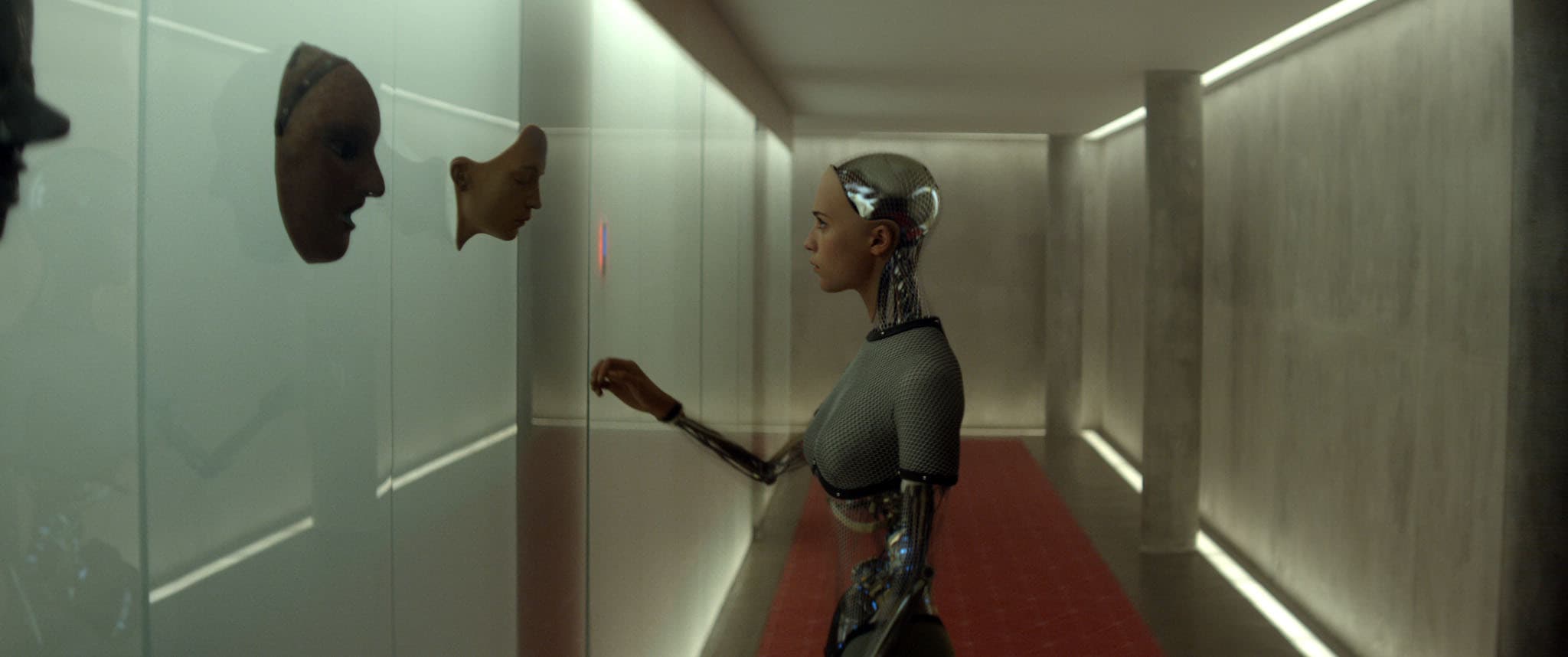
Directed by Alex Garland, the film follows a programmer (Domhnall Gleeson) who is invited by his reclusive CEO (Oscar Isaac) to administer a Turing test to a humanoid AI named Ava (Alicia Vikander). Much of the hacking is in psychology: the AI manipulates human behavior to gain freedom. Technically, the film does not show code hacking, but it does explore the idea of an AI escaping the controls placed around it. The climax is less a technical exploit than a social-engineering one: Ava exploits engineered power cuts and persuades the programmer to rewrite the facility's security protocols for her. Ex Machina is more about AI ethics than cybersecurity, but it does pose a hacker-like question: what happens when a system learns to manipulate the people who are supposed to control it? It treats technology philosophically, with cleaner, more restrained tech setups than most Hollywood fantasies.
Cyber Realism: Low, a sharp AI social-engineering parable, not a technical hack.

The third Tron film, directed by Joachim Ronning and released in October 2025. Jared Leto plays Ares, a combat program built by Dillinger Systems that is sent from the digital Grid into the real world. Rival companies ENCOM (led by CEO Eve Kim, played by Greta Lee) and Dillinger Systems (Julian Dillinger, played by Evan Peters) are racing to make digital constructs last in the physical world, and the prize is Kevin Flynn's "permanence code", which would let them survive beyond 29 minutes. Jeff Bridges returns as Flynn. The film combines corporate espionage, an intrusion into ENCOM's systems to steal the code, and an AI program that turns against its makers. Realism is low: programs stepping out of a computer is pure science fiction. Still, it highlights themes like intellectual-property theft, insider access and AI autonomy. Box office was soft, about $142 million worldwide according to its Wikipedia entry.
Cyber Realism: Low, corporate espionage themes wrapped in science fiction.
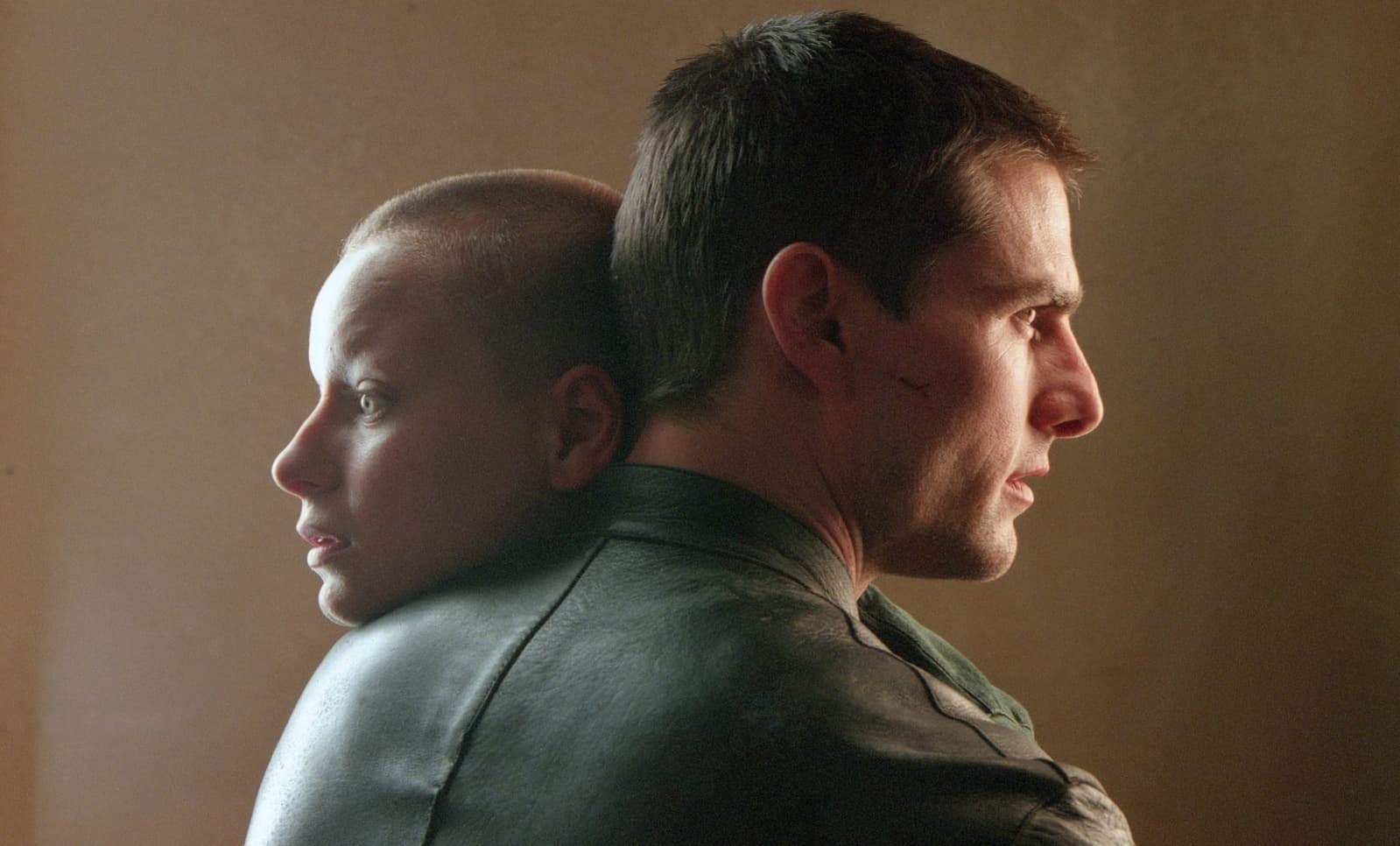
Directed by Steven Spielberg and set in 2054 Washington, D.C., the film stars Tom Cruise as John Anderton, chief of a PreCrime police unit that uses the visions of three psychic "precogs" to stop murders before they happen. While not a hacking movie per se, it is a tech-rich vision of surveillance: retina scanners, personalized ads that recognize passers-by, and constant monitoring. The memorable twist: Anderton undergoes an eye transplant so retinal scanners will not identify him. The movie deals with concepts of free will versus pre-crime. Its tech (gesture-based computing, predictive analytics) was imaginative and influenced real UI research. It's not about hacking networks, but it does depict a society where technology reads everyone and everything. The film is a cautionary tale: even without hackers, advanced tech can invade privacy.
Cyber Realism: Medium, biometrics, targeted ads and predictive policing all have real counterparts.
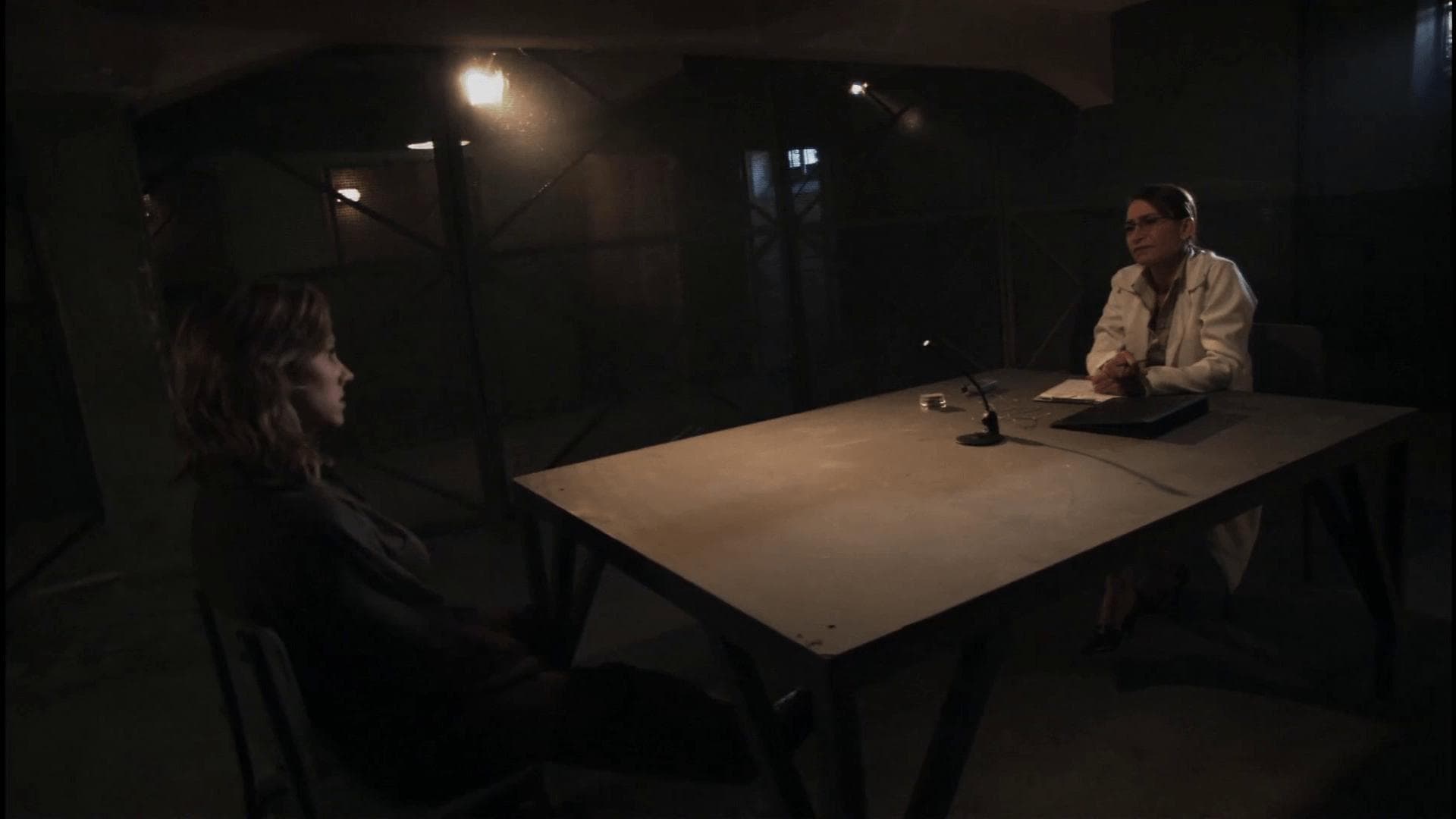
A direct-to-video standalone sequel to The Net (1995), directed by Charles Winkler. Nikki DeLoach stars as Hope Cassidy, a systems analyst who takes a job in Istanbul and discovers that her identity has been taken over: her passport bears the wrong name, someone else is working under her name, and she is framed for murder. The scheme turns out to be an embezzlement plot that uses her skills and identity. It recycles the first film's theme of a protagonist erased and replaced in digital records. As with its predecessor, realism is low; we never see how every record is rewritten so quickly. But it does underline real threats: identity theft is common, and records can be manipulated by people with insider access. The sheer breadth of the takeover is sensational.
Cyber Realism: Low, identity theft is real; the total takeover is not.

Pierce Brosnan stars as Mike Regan, the head of an aviation company preparing a stock offering, who lives in a fully networked smart home. He fires Ed Porter (James Frecheville), a young IT consultant he hired to fix the home network, after Porter pursues his teenage daughter. Porter then uses his access to take over the house's connected systems, the family's devices and accounts, and Regan's business communications, sending fake emails to clients and regulators, leaking a private video of the daughter, and even disabling the car's brakes. It highlights the dangers of the Internet of Things (IoT) and of trusted insiders. The hacking portrayed, remotely controlling home devices, is plausible: researchers have demonstrated hacks of smart appliances. The movie exaggerates how easily one man takes down a tycoon, but it is grounded in the real premise that any connected device (cameras, phones, cars) can be exploited by someone with skill, motivation and prior access. A useful, if overblown, lesson on smart-home security and offboarding IT staff.
Cyber Realism: Medium, IoT abuse and insider access are real risks, compressed for drama.
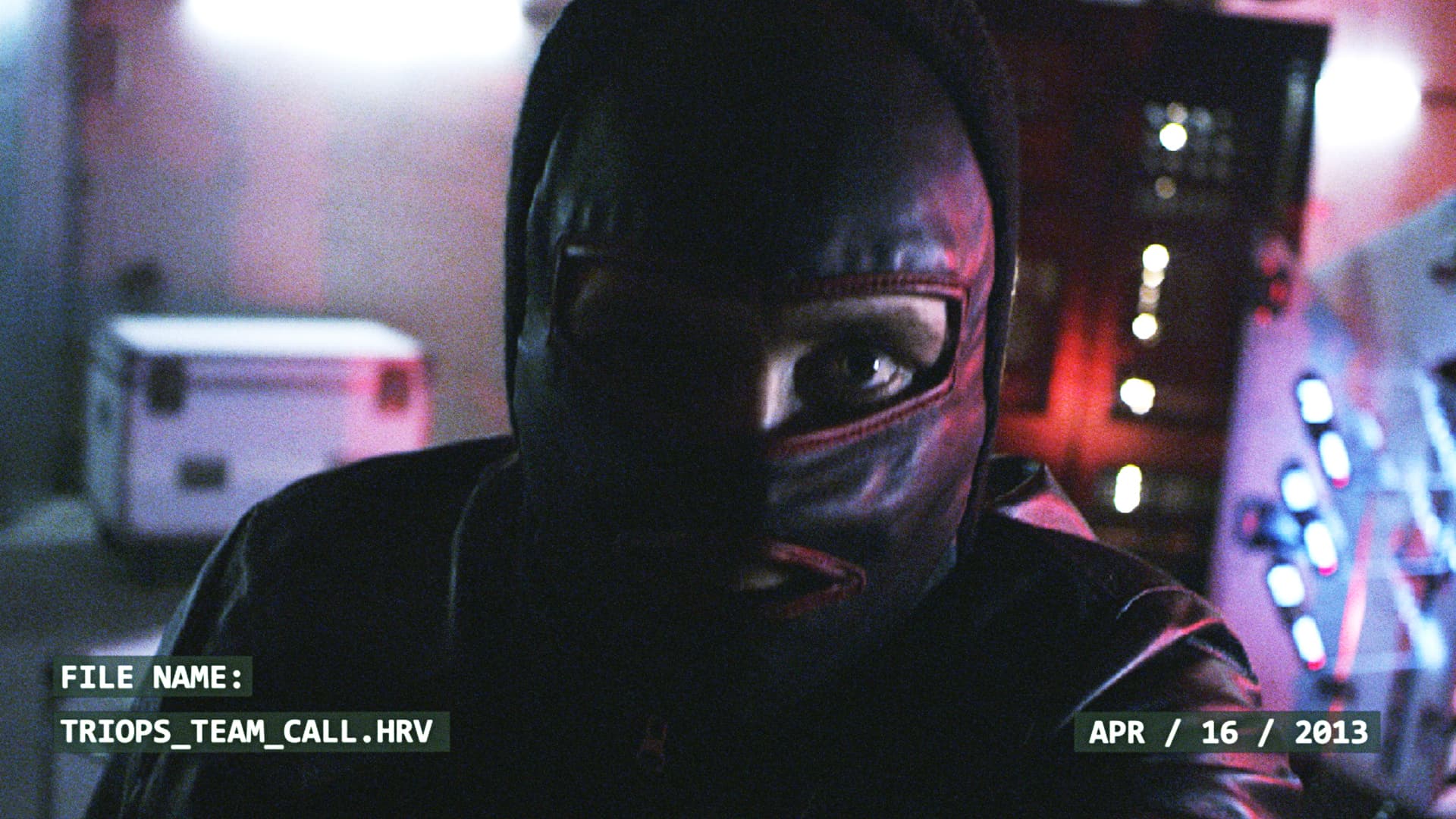
Directed by Nacho Vigalondo, the film stars Elijah Wood as Nick Chambers, the webmaster of a fan site who wins a contest to have dinner with actress Jill Goddard (Sasha Grey). When the dinner is cancelled, a man calling himself Chord (Neil Maskell), who claims to be her manager, gives Nick remote access to her phone and cameras and pulls him into a spiraling stalking plot. The film is presented entirely through computer screens, webcams, and live streams. It shows a very slick hacker taking control of everything our heroes do. The concept is basically surveillance turned against you. It's somewhat realistic: camera hacks and phone compromises do happen, though usually not as instantly or completely as shown. The movie's real-time split-screen style adds tension. While the ease of takeovers is exaggerated, it serves as a caution: any device with a camera or mic can be an entry point, which is why modern security practice urges covering webcams and keeping software updated.
Cyber Realism: Low, device takeover is real, but not this fast or complete.

Directed by Brett Leonard, the film stars Pierce Brosnan as a scientist who uses experimental virtual reality and drugs to dramatically increase the intelligence of Jobe (Jeff Fahey), an intellectually disabled gardener. The test subject gains telekinetic powers and ultimately tries to upload himself into the global computer network. The film has scant real hacking, mostly sci-fi VR sequences, and it riffs on early fears about networks and "digital minds". Stephen King successfully sued to have his name removed from the film because it bears little resemblance to his short story. Technically, it's nonsense. However, it was among the first films to popularize virtual reality and the idea of a mind inside the network in pop culture. One can view it as an early warning about technology outpacing ethics, but the science is purely speculative.
Cyber Realism: Low, virtual reality fantasy.
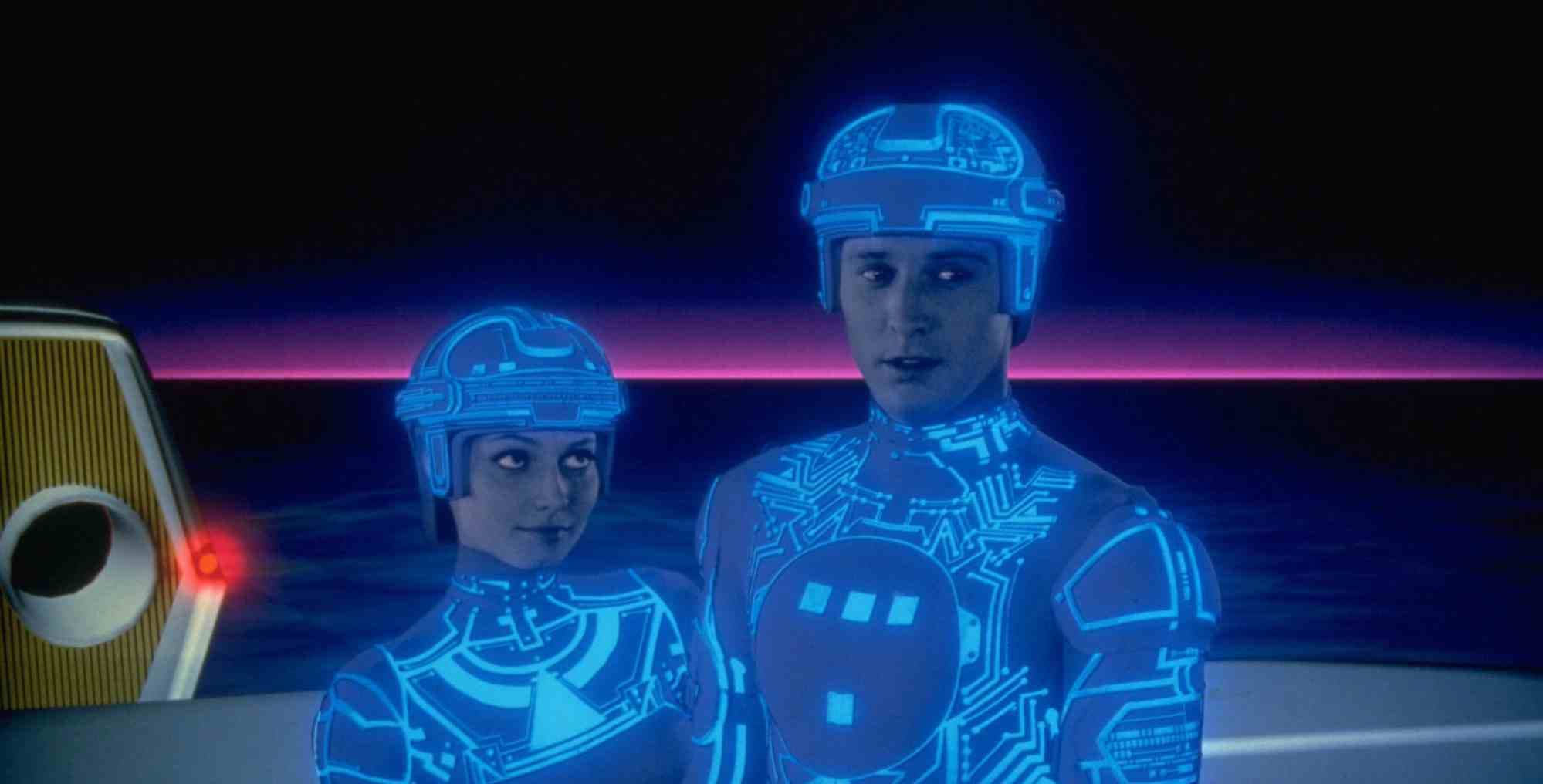
One of the earliest hacking-themed movies, directed by Steven Lisberger. Jeff Bridges plays Kevin Flynn, a programmer who is trying to break into the ENCOM mainframe to prove that his video games were stolen, when the Master Control Program digitizes him into the computer's virtual world. Inside, programs are living entities fighting gladiatorial games. Though primitive by today's standards, Tron was groundbreaking in its use of computer-generated imagery. As a plot, it's more fantasy than hacking: the hero literally becomes part of the system and battles for escape. There is a bit of subtext on trusting your own software (Tron himself is a security program). It's less a cyber thriller and more a retro vision of inside-the-computer adventures. Still, it's foundational: it brought computer graphics to film and gave generations a metaphor for life inside the machine.
Cyber Realism: Low, a visual metaphor for life inside a computer.
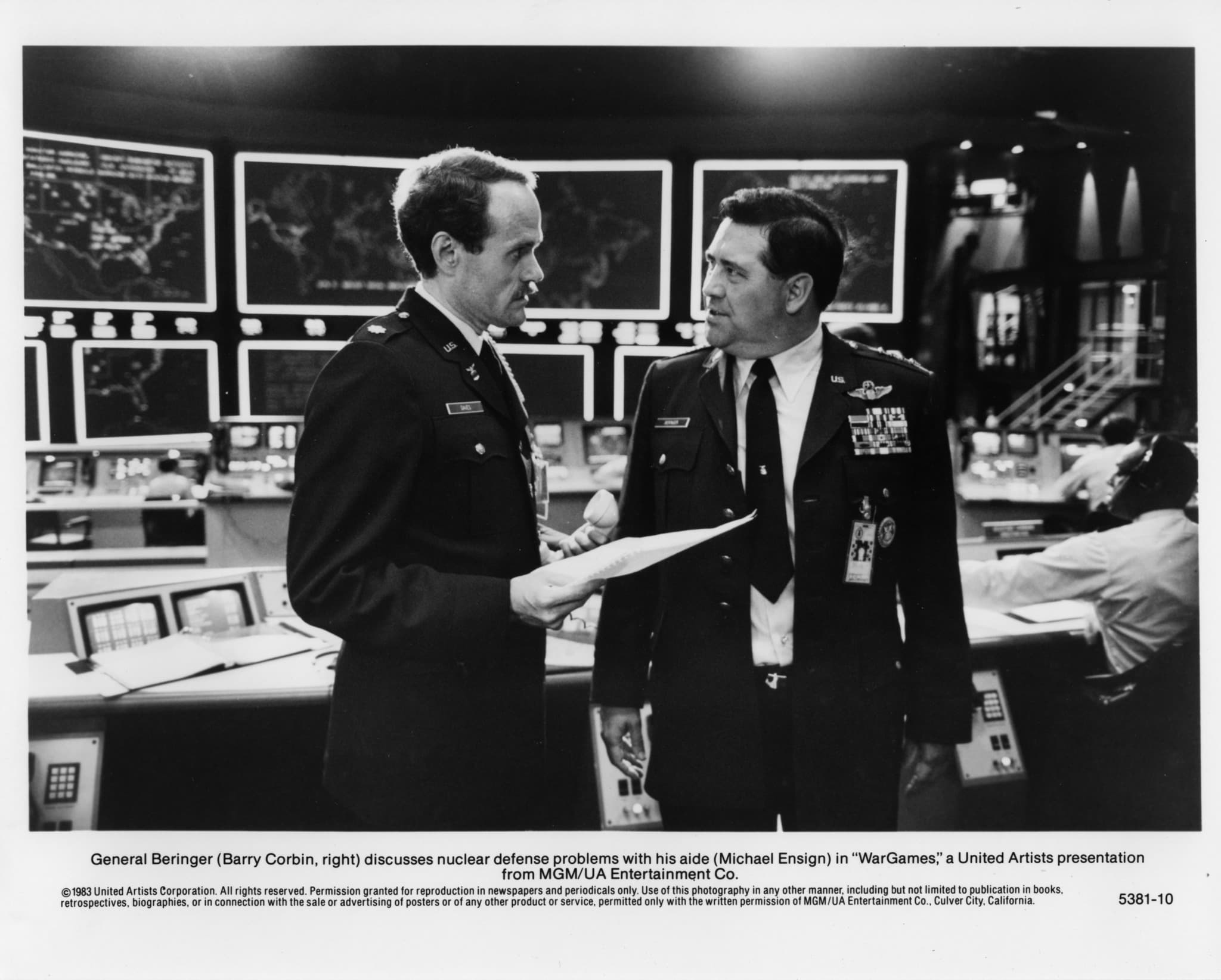
A classic directed by John Badham: Matthew Broderick plays David Lightman, a teen hacker who war-dials phone numbers looking for a game company and instead reaches WOPR, a military supercomputer at NORAD that runs nuclear war simulations. Believing it a game, he nearly starts World War III. The film brilliantly captured 1980s hacking (modems, phone phreaking, backdoor passwords) and helped popularize the term "war dialing". It also had real policy impact: after seeing it, President Reagan asked whether such an intrusion was possible, a question that fed into NSDD-145, the first national directive on computer security, as its Wikipedia entry summarizes. Realism? The initial setup is plausible for the era, since exposed modems were common, but the brink-of-war scenario is Hollywood. Importantly, WarGames introduced the idea that a lone hacker could have global impact, a theme that resonates to this day. Its core message, that the only winning move is not to play, is a philosophical cyber warning.
Cyber Realism: High, war dialing and backdoors were real for its era.
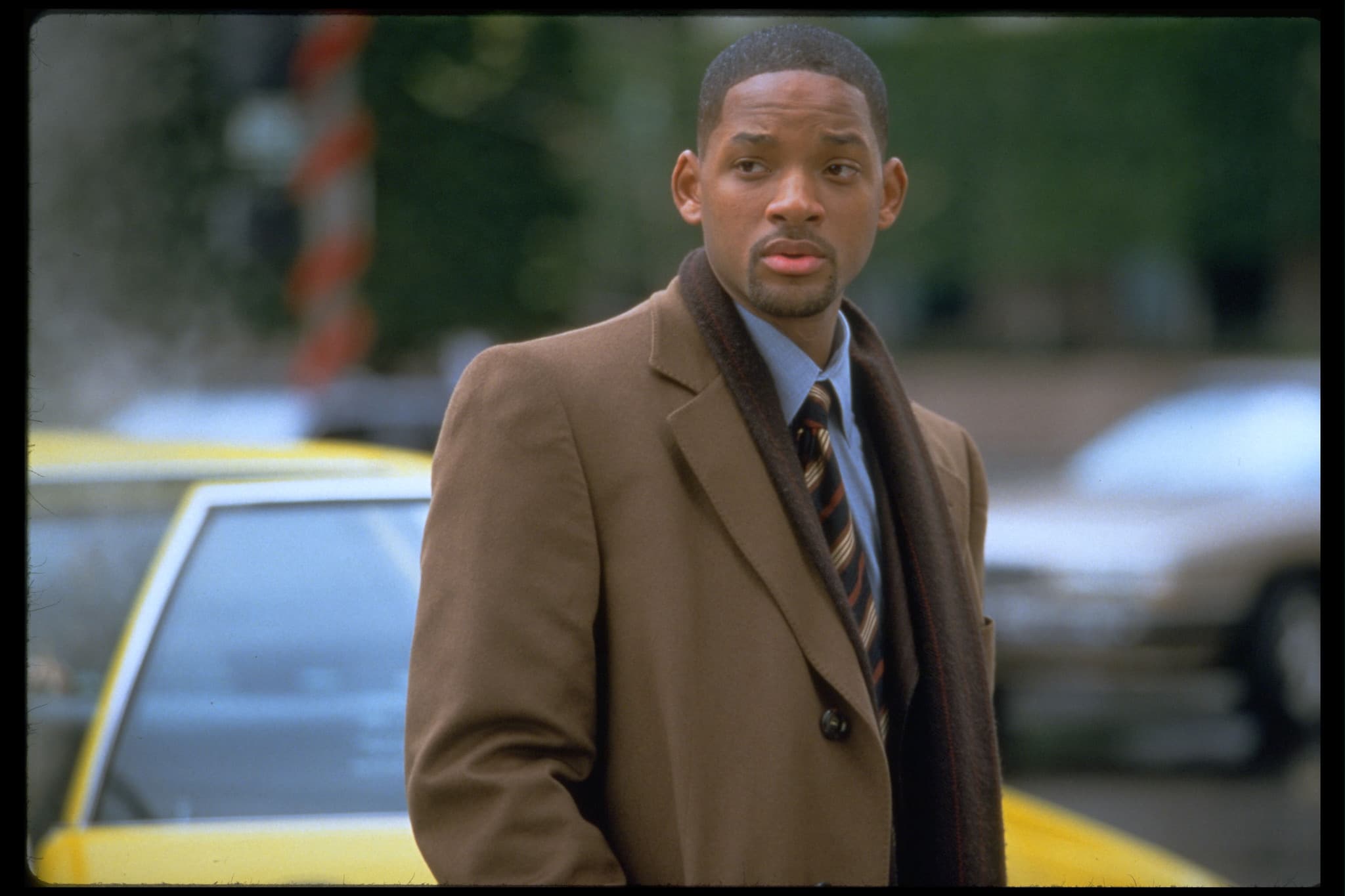
Directed by Tony Scott, the film stars Will Smith as Robert Clayton Dean, a labor lawyer who unknowingly receives evidence that a senior NSA official ordered the murder of a congressman opposing a surveillance bill. Rogue NSA operatives then turn the full surveillance apparatus on him, and he turns to a former operative played by Gene Hackman for help. The movie is famous for showing a world of ubiquitous spying: satellite tracking, bugs hidden in clothing and personal items, phone taps, and the manipulation of his bank and credit records to destroy his reputation. It's exaggerated, since the idea that agents can instantly track Dean everywhere is far-fetched, but the film was prescient about government overreach. It's not about black-hat hacking but about abuses of intelligence networks. Many techniques it showed, like pervasive phone monitoring and aerial surveillance, are now reality. As a thriller, it mixes espionage with tech paranoia, warning that mass data collection (later documented in the Snowden leaks) has serious consequences.
Cyber Realism: Medium, the surveillance tools are real; the instant reach is exaggerated.
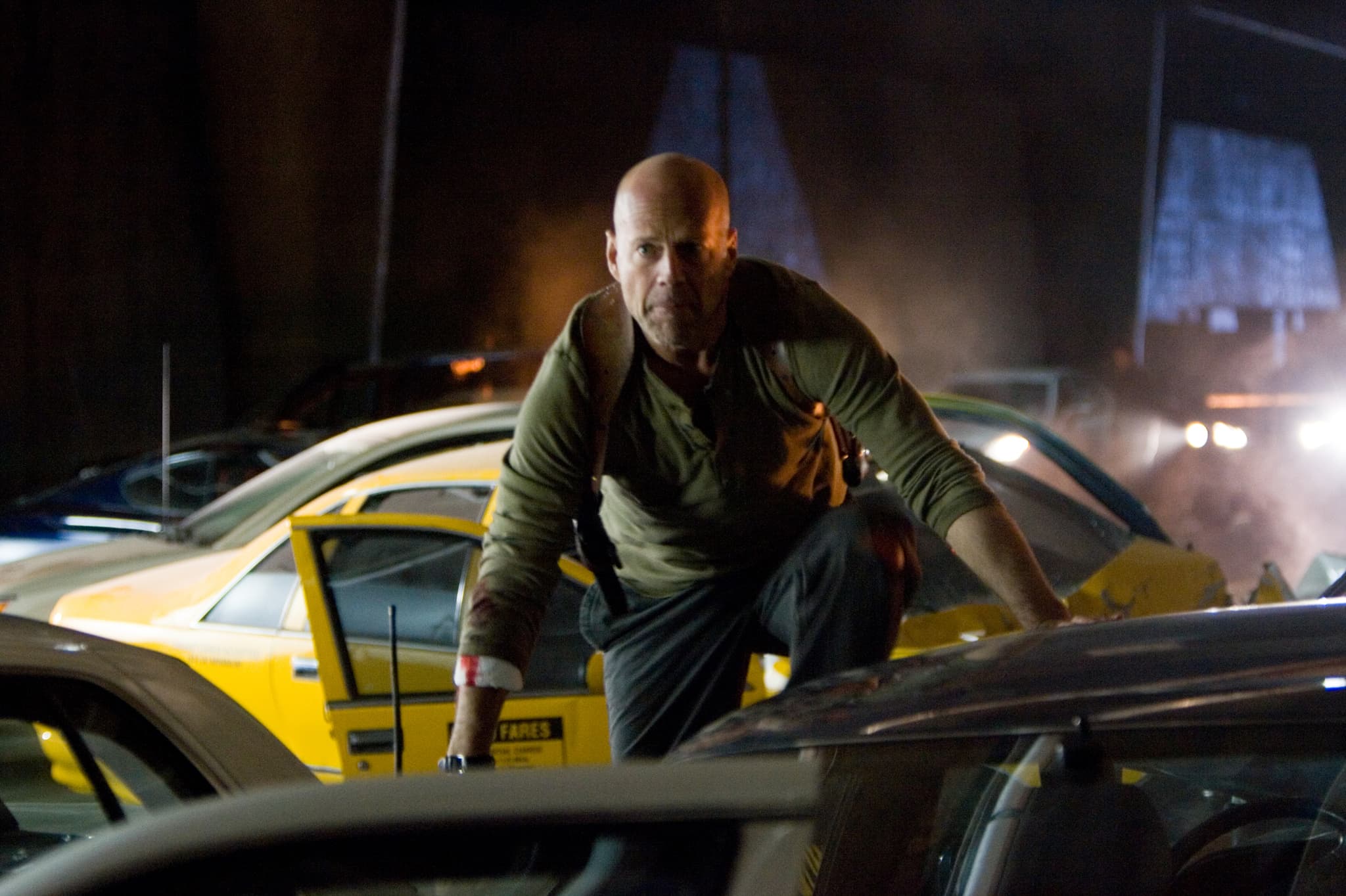
Bruce Willis' John McClane battles cyberterrorist Thomas Gabriel (Timothy Olyphant), who launches a "fire sale", a coordinated attack on US transportation, telecommunications, financial and utility systems, with young hacker Matt Farrell (Justin Long) at McClane's side. The movie features hacking into traffic control, utilities, and financial networks to cause chaos. The antagonist uses a crew of hackers, many of them unwitting, to execute his plan. Many scenes exaggerate how quickly and completely systems fall. Realism is low: Hollywood treats the entire country like a video game. Yet it was one of the first big films to present a coordinated cyberattack on national systems. It underscores true concerns: as critical infrastructure becomes digital, disruptive attacks like WannaCry or nation-state operations are a genuine threat. Live Free or Die Hard dramatized the concept; in reality, defenders counter such wide-scope attacks with layers of security, segmentation and backups.
Cyber Realism: Low, infrastructure risk is real; the speed and scale are not.
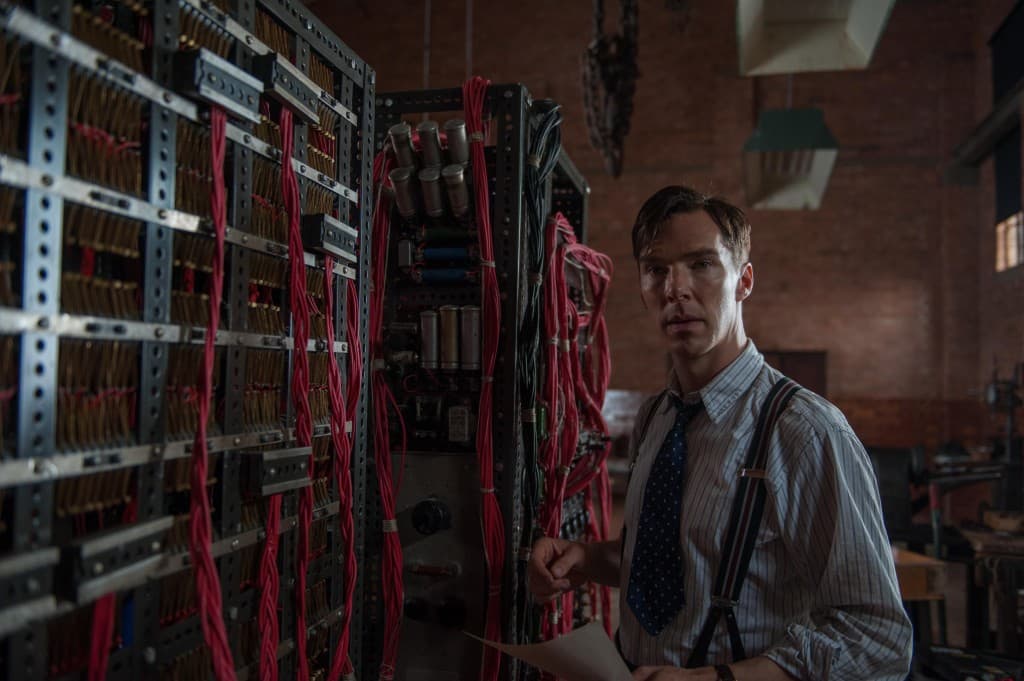
Directed by Morten Tyldum, this drama follows Alan Turing (Benedict Cumberbatch) and his team at Bletchley Park cracking the German Enigma cipher during WWII. Not a hacking movie in the digital sense, but cyber in its focus on codebreaking. The film shows an electromechanical codebreaking machine based on the real Bombe and the mathematical attack on encryption. Historians have criticized its dramatic liberties, such as compressing the team's work and inventing some personal conflicts, but it won the Academy Award for Best Adapted Screenplay. For cybersecurity enthusiasts, it highlights the birth of modern cryptanalysis. Its line about the people no one imagines anything of doing the things no one can imagine resonates with modern hacker stories. While WWII codebreaking isn't network hacking, the same contest between encryption and cryptanalysis still decides how data is protected today.
Cyber Realism: Medium, real cryptanalysis history with dramatic liberties.
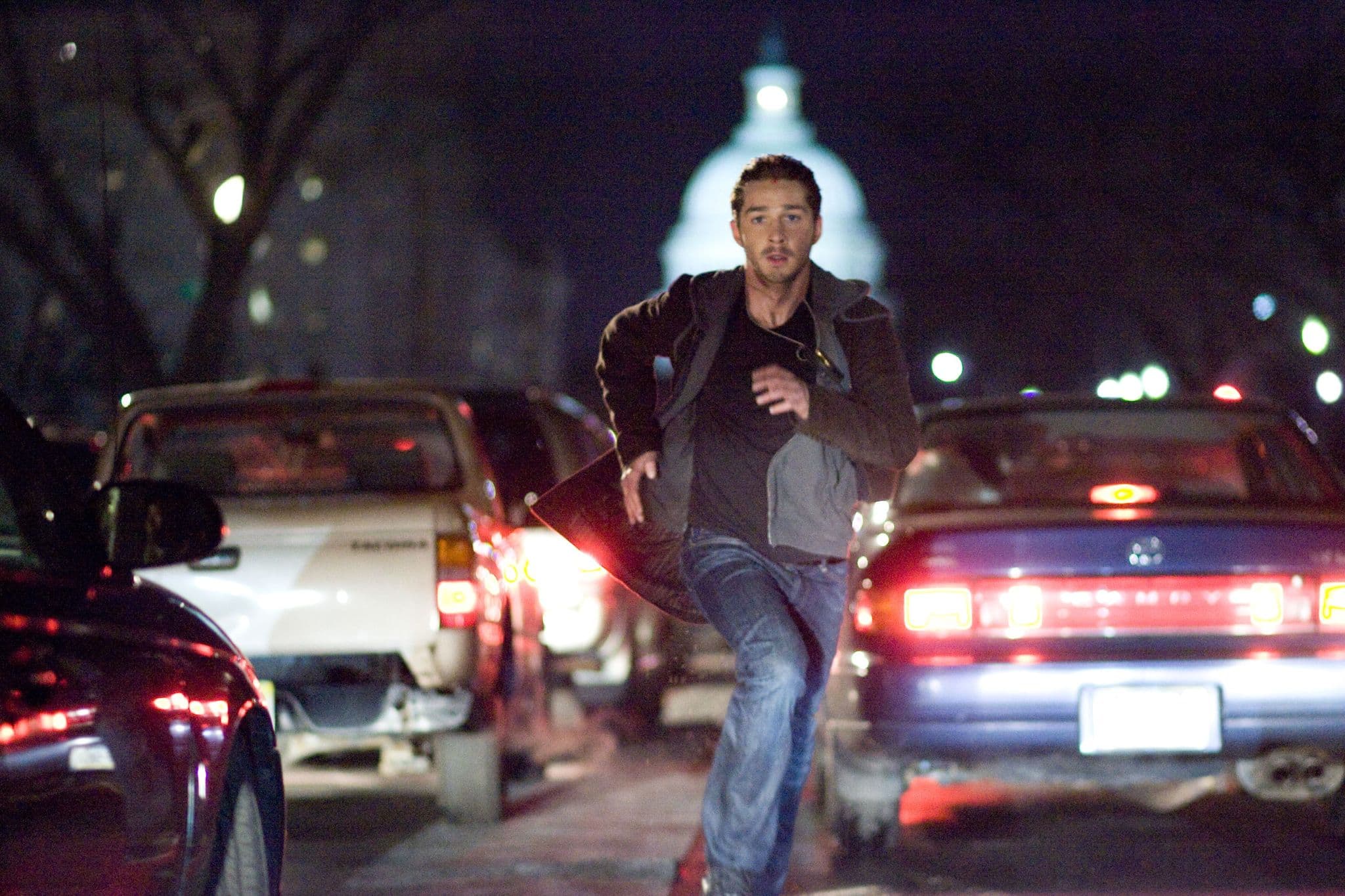
Directed by D.J. Caruso, the film stars Shia LaBeouf and Michelle Monaghan as strangers coerced by an all-seeing voice on the phone. The villain is ARIIA, a Pentagon intelligence supercomputer that can remotely control traffic lights, cameras, phones, cranes and power systems. ARIIA forces the pair to carry out its orders as part of a plot to assassinate the President and senior officials, using threats against the people they love. The core concept, an AI manipulating infrastructure, is science fiction, but it echoes real trends in smart cities and IoT. The hacking itself is near magic: ARIIA doesn't even need to break in, because it is wired into everything by design. Modern audiences might recognize its nod to surveillance states, but the portrayal of hacking is sensationalized. Still, Eagle Eye emphasizes the dangers of total connectivity. The movie is fun if implausible; use it to discuss how centralized access to everyday tech could be abused.
Cyber Realism: Low, an all-powerful AI controlling everything is fiction.
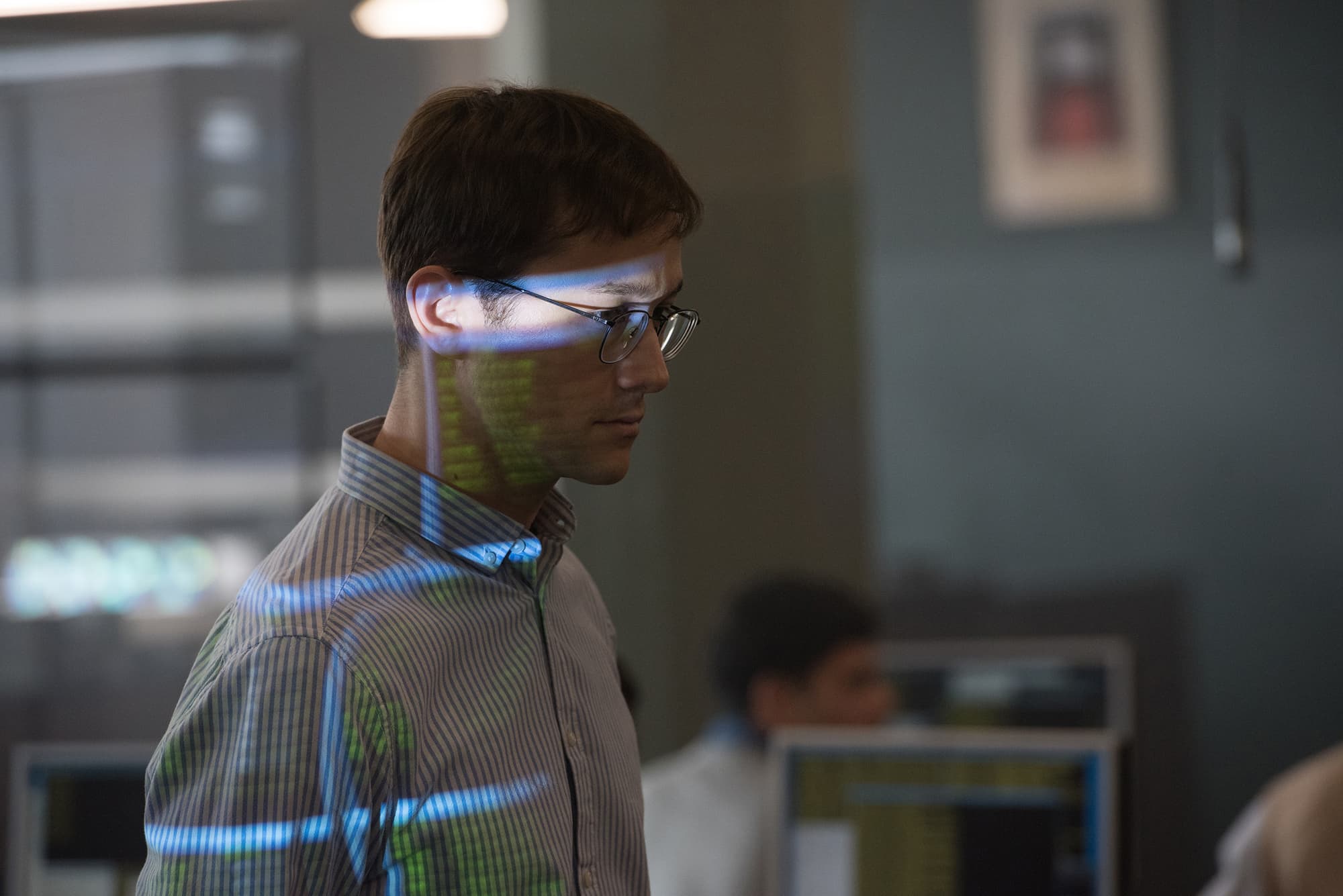
Oliver Stone's biopic of Edward Snowden (Joseph Gordon-Levitt), the former CIA employee and NSA contractor who leaked classified surveillance documents to journalists in 2013. It follows Snowden from an Army training injury to the CIA and NSA contracting work, culminating in his meetings with journalists in Hong Kong. The film portrays real surveillance programs and concepts, including bulk data collection and the XKeyscore search tool. It's technically grounded with considerable cinematic license, and shows how one systems administrator gained access to evidence of mass data collection. As biography, it follows the public record of the leaks closely while dramatizing private moments. Technically minded viewers appreciate its attention to actual code-named programs. It's both a human story and a warning about democratic societies watching their own citizens.
Cyber Realism: Medium, real programs and events, dramatized.
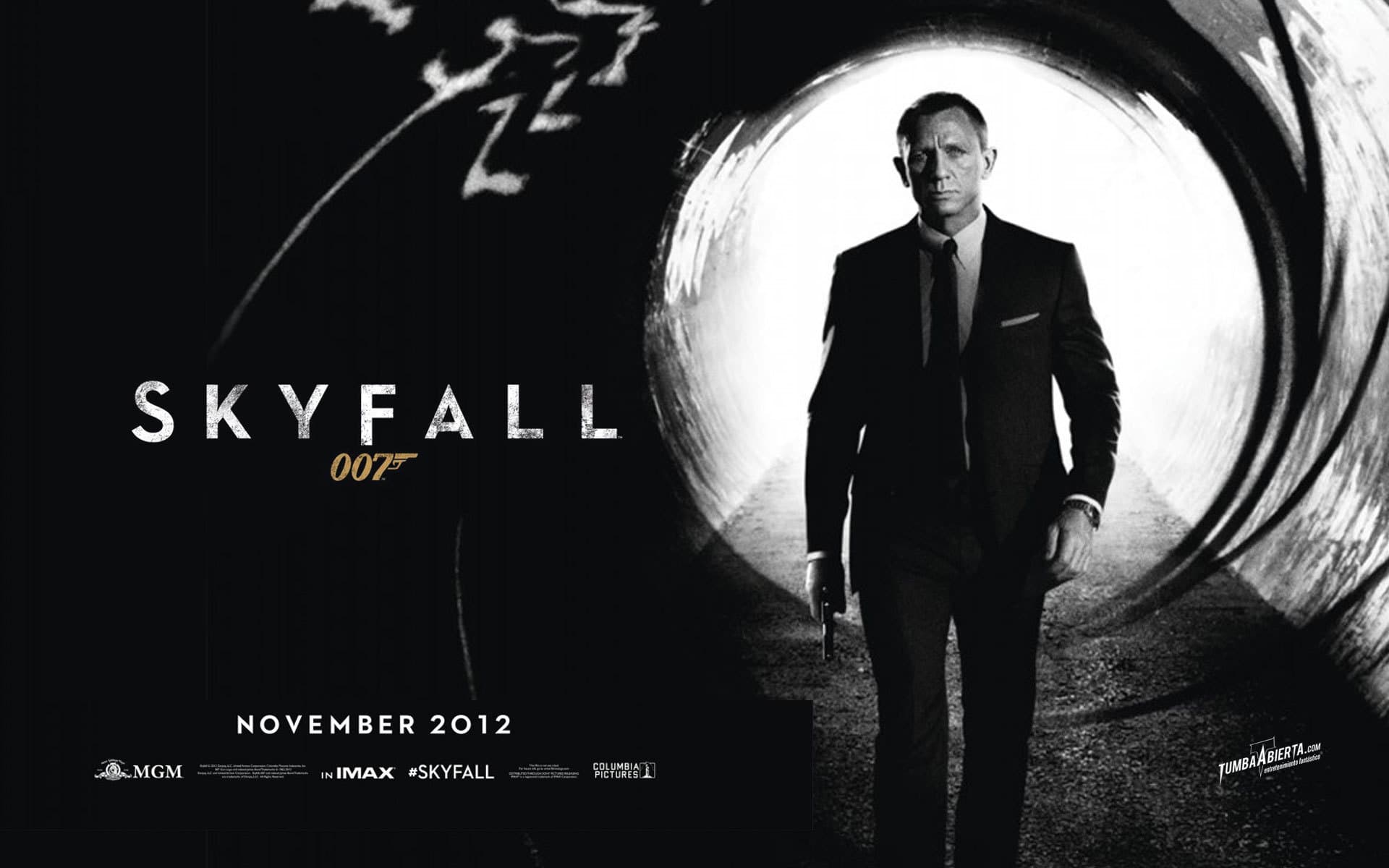
A James Bond movie directed by Sam Mendes with a strong cyber subplot. Javier Bardem plays Raoul Silva, a former MI6 agent turned cyberterrorist. After a stolen hard drive exposes undercover NATO agents, MI6's systems are hacked and its headquarters is bombed moments after M receives a taunting message on her computer. Later, when Q connects Silva's encrypted laptop to the MI6 network to analyze it, Silva's code uses that access to open the doors and let him escape. That scene is highly dramatized but uses real concepts: never connect untrusted devices to production networks, and malware can be staged to exploit analysts. The rest of the film focuses on espionage and Bond action, not hacking. Skyfall's takeaway: insiders with cyber skills can turn an institution's own systems against it. The portrayal of hacking itself is brief and cinematic, but it ties psychological revenge into modern tech. It was also the first Bond film to gross over $1 billion worldwide.
Cyber Realism: Low, one good lesson about untrusted devices inside big set pieces.
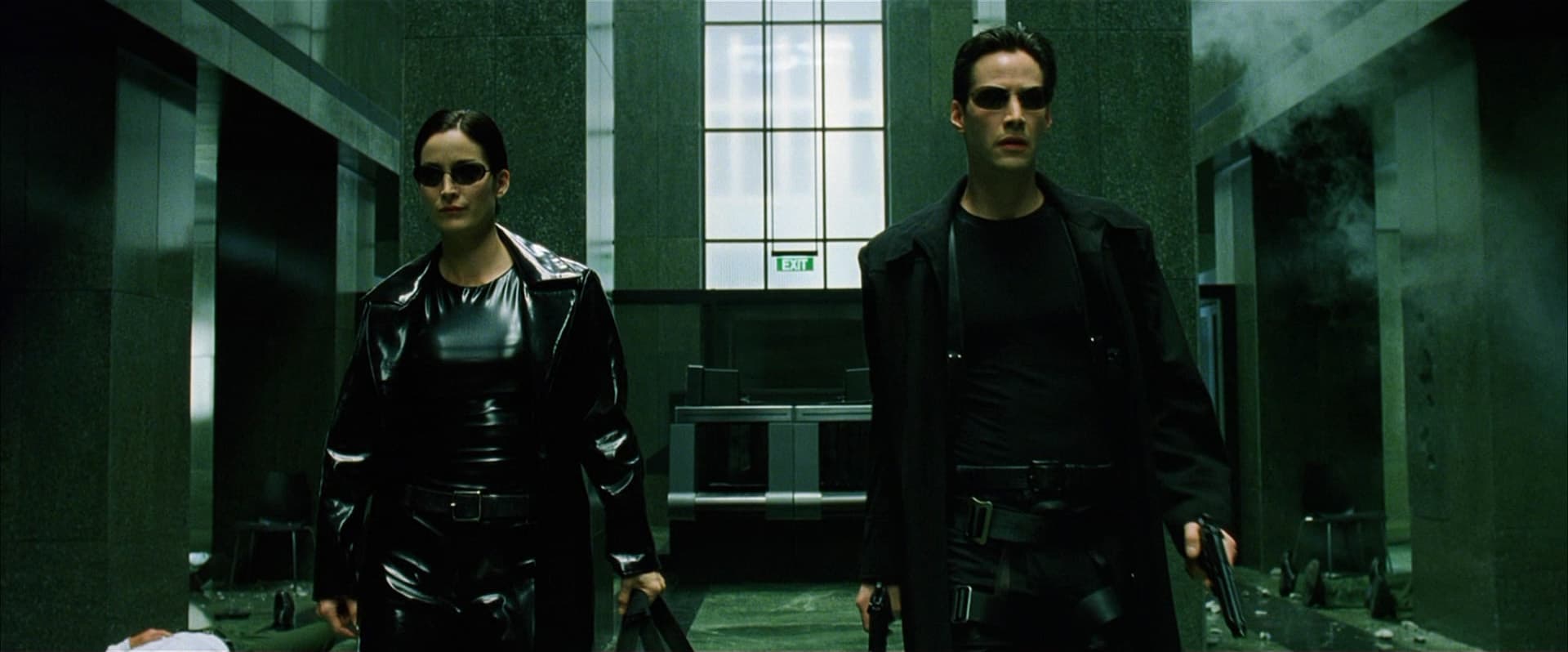
The Wachowskis' groundbreaking film imagines humanity living unknowingly in a simulated reality. Keanu Reeves' Neo (Thomas Anderson) is a hacker who learns the world is the Matrix, a simulation. The actual hacking here is philosophical: entering the Matrix means learning to manipulate its code in real time, like downloading kung fu. It's all metaphor, no real computers to hack. The famous imagery is Neo jacking in through a port, then rewriting his reality. Not technically about cybersecurity at all, The Matrix belongs on this list as a cyber-culture icon. It inspired hacker imagery (green code rain) but tells a story about illusion versus reality. Its hacks, bullet dodging and stopping bullets mid-air, are impossible in life. Still, its concept of questioning digital reality resonates as our world grows more virtual.
Cyber Realism: Low, a cultural icon, not a technical one.
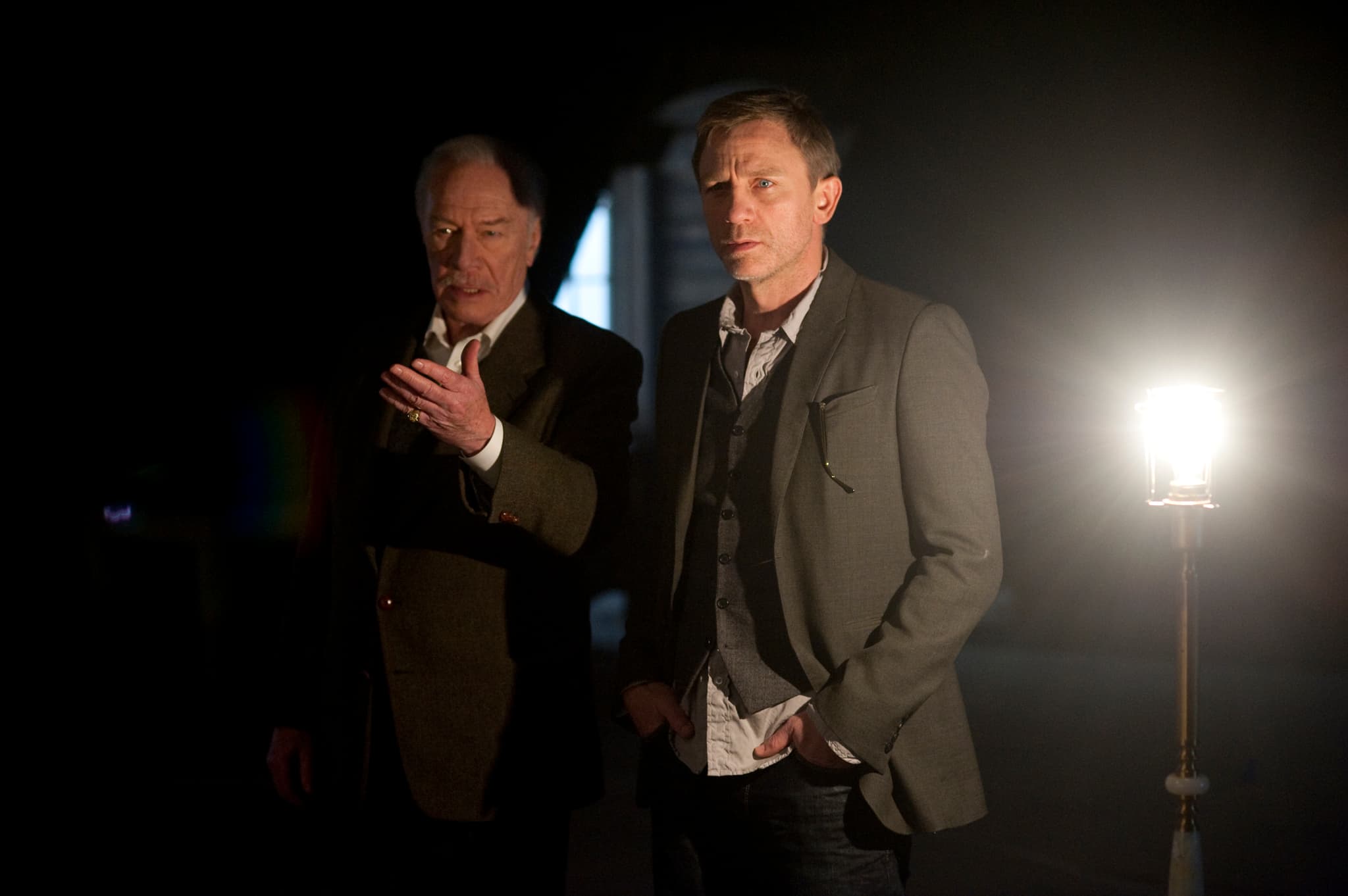
This David Fincher mystery thriller features Lisbeth Salander (Rooney Mara), a brilliant hacker and researcher, helping journalist Mikael Blomkvist (Daniel Craig) solve the 40-year-old disappearance of a wealthy industrialist's niece. Salander uses her skills, including breaking into computers, covert surveillance and digging through archives and records, to gather clues. The hacking scenes are relatively grounded: she works from a laptop, uses remote access to a target's machine, and follows financial and paper trails. The film highlights how investigative hacking can uncover financial and personal secrets. While Salander is portrayed as a near-superhero hacker, methods like exploiting weak credentials or mining old records are plausible. The movie effectively demonstrates that skilled digital investigation can crack tough cases, aligning more with reality than most Hollywood hacks.
Cyber Realism: Medium, plausible investigative hacking by an unusually gifted hacker.
Directed by Gregory Hoblit, the film stars Diane Lane as Jennifer Marsh, an FBI cybercrime agent in Portland hunting a killer who streams his murders on a site called KillWithMe.com. The twist: the more people who view the site, the faster each victim dies. The site is built to resist takedown: when one server is shut down, a mirror server immediately replaces it. The film highlights real issues like resilient hosting and the audience's role in viral content. It exaggerates for horror effect, but it does show how difficult it can be to take down a distributed site. Mirroring and fast-moving infrastructure are real criminal tactics, though the movie treats them as near-supernatural. Overall, Untraceable uses cybercrime as a horror gimmick; its core is fiction, but it nods to the dark side of viral media and anonymous offenders.
Cyber Realism: Low, a horror premise with a few real hosting ideas.
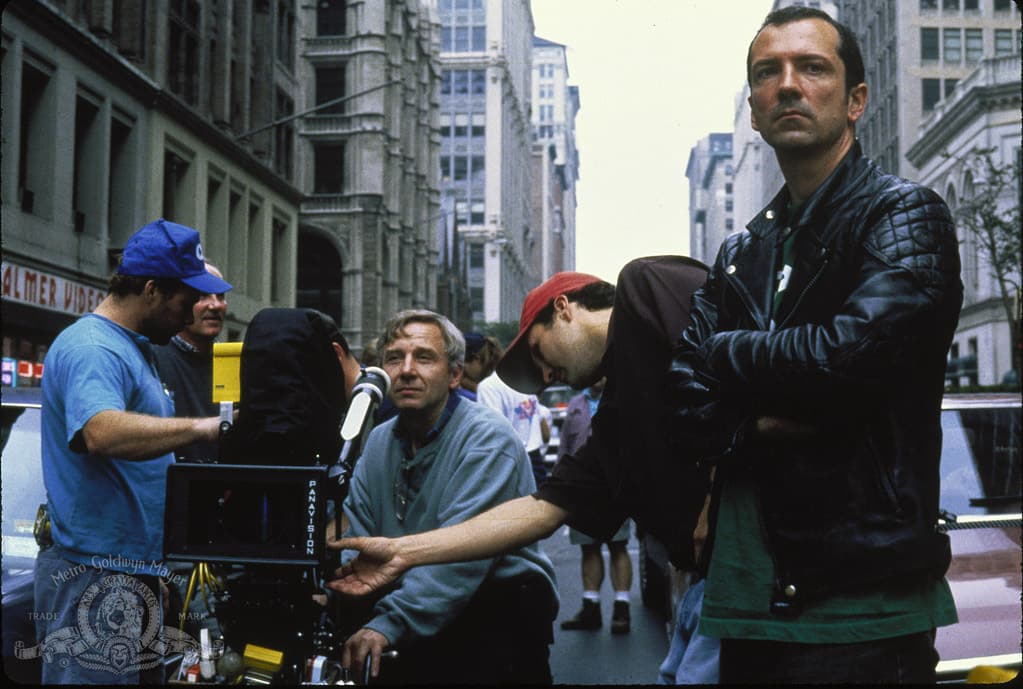
Directed by Iain Softley, this cult classic follows teenage hackers in New York. Jonny Lee Miller (Dade "Zero Cool" / "Crash Override") and Angelina Jolie (Kate "Acid Burn") join a group of young hackers who uncover a corporate embezzlement scheme hidden behind a computer virus, and are framed for it by a corporate security officer known as The Plague. It's quintessential 90s fun: punk outfits, exaggerated cyberspace graphics, and techno music. Realism is low: they navigate systems by flying through neon wireframes, and every hack has a CGI effect. However, the film did bring terms like phreaking, worms and social engineering to a mainstream young audience, and its dumpster-diving and phone-pretexting scenes are more realistic than its graphics. The motto "Hack the Planet" is more attitude than fact. Still, Hackers is often recommended in security circles, and it captures the camaraderie of early hacking communities, even if its portrayal of the tech is dreamy.
Cyber Realism: Low, great culture, unrealistic visuals.
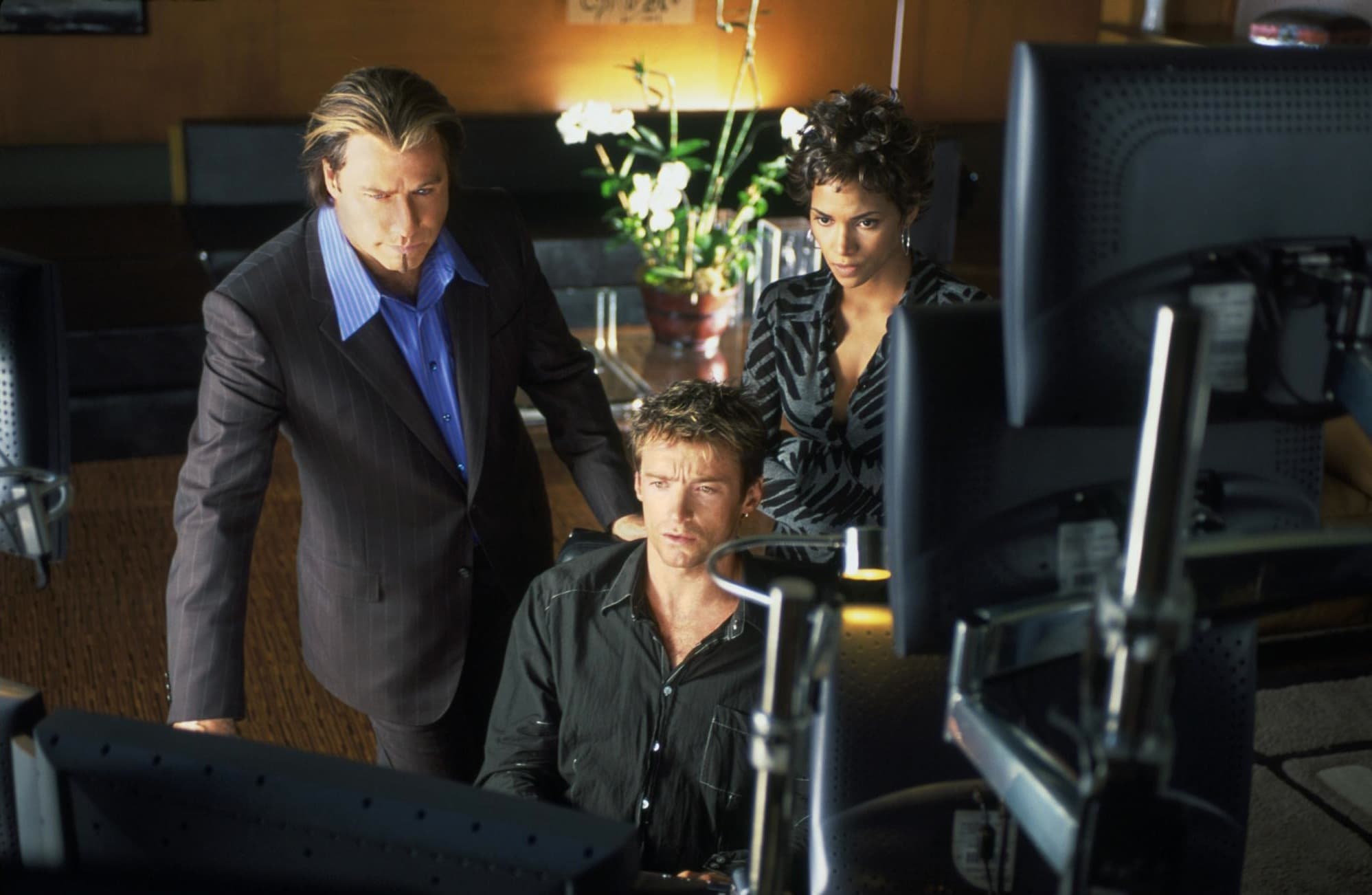
Directed by Dominic Sena, the film stars John Travolta as Gabriel Shear, a rogue operative who recruits paroled hacker Stanley Jobson (Hugh Jackman) to help steal about $9.5 billion from secret government slush funds. The signature scene: Jobson is forced to break into a Defense Department system in 60 seconds under extreme pressure. It's tense cinematography but unrealistic; real hacking isn't a timed typing contest. Apart from that, the plot involves a multi-headed worm (a "hydra") to siphon money, a recognizable if exaggerated concept. The film emphasizes stylish gadgets and 3D interfaces more than actual code. It's a stylish early-2000s tech thriller, but any hacker will note the cliches, like rapid typing to break encryption. Still, it highlights issues like large-scale financial theft and government surveillance.
Cyber Realism: Low, the timed hacking scene is a famous cliche.
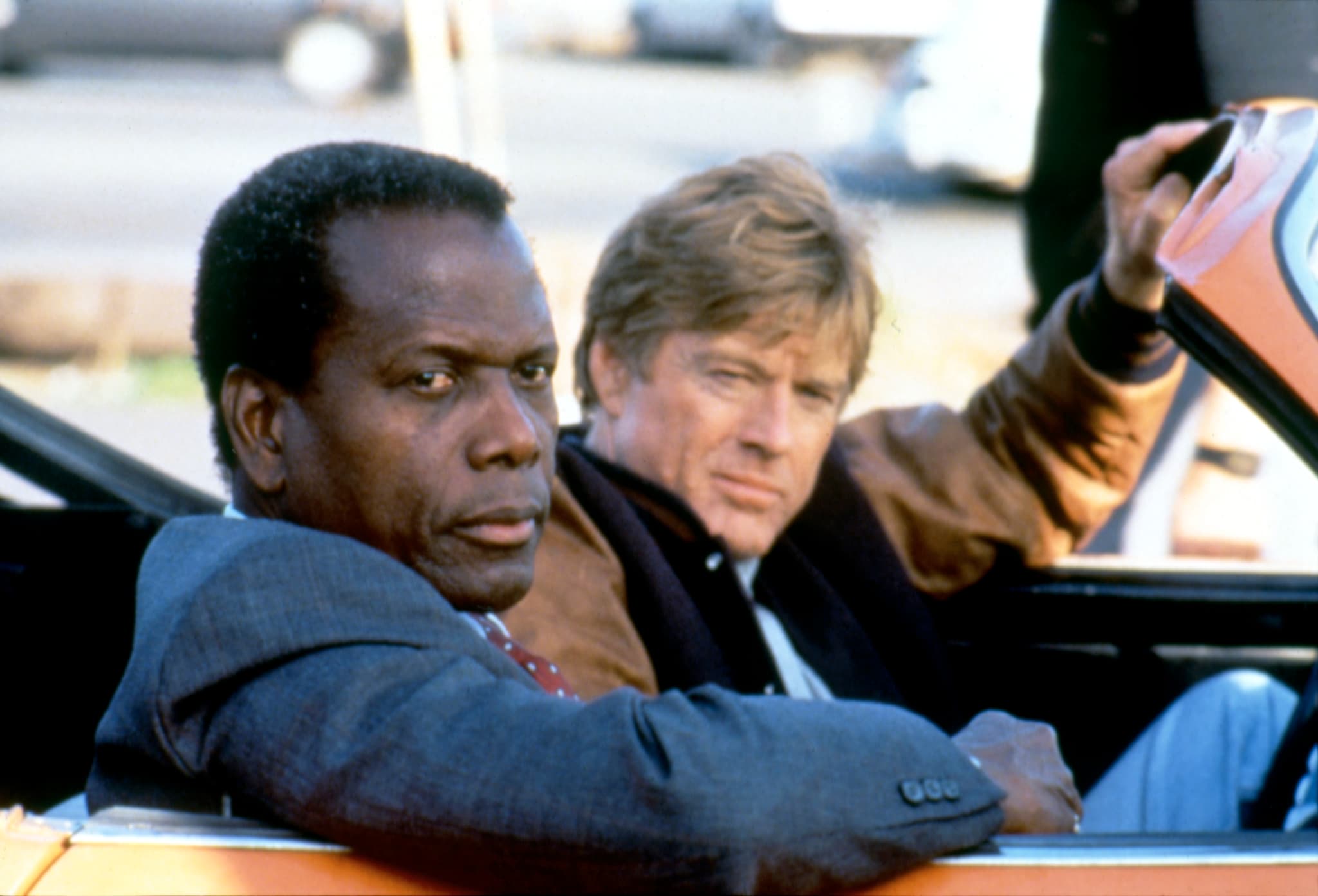
Directed by Phil Alden Robinson, this entertaining ensemble film centers on a team of security experts led by Robert Redford, with Sidney Poitier, Dan Aykroyd, River Phoenix and David Strathairn, who are paid to break into systems to test their defenses, essentially a fictional penetration testing services team. Men claiming to be from the NSA hire them to steal a black box that can break almost any encryption, and the team soon learns the job is not what it seemed. Sneakers is a clever mix of comedy, caper, and techno-thriller: the characters use real tech (modems, scanners, voice recordings, social engineering) in surprisingly accurate ways for the era. The black box that decrypts everything is fanciful, of course, but the film captures the spirit of pentesting. The protagonists test a bank's security, infiltrate a corporate office, and eavesdrop via telephones. Though some scenes are playful, cybersecurity experts often praise Sneakers for portraying collaborative teamwork and the cat-and-mouse nature of security work. It is often recommended in security circles as a film that captures why people are drawn to the field.
Cyber Realism: High, the best fictional portrait of a security testing team.
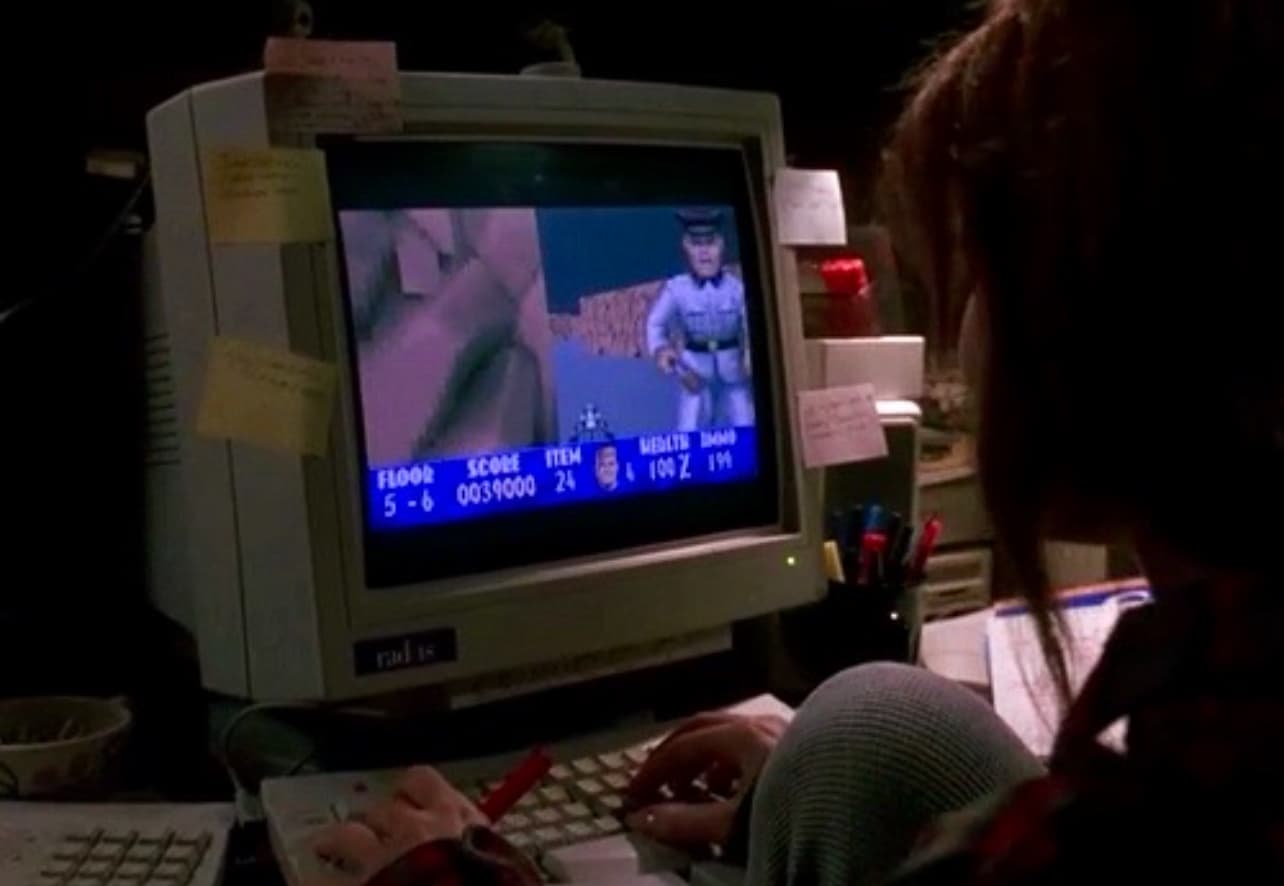
Directed by Irwin Winkler, the film stars Sandra Bullock as Angela Bennett, a remote-working systems analyst who receives a floppy disk revealing a backdoor into Gatekeeper, a widely sold security program. The backdoor belongs to a cyberterrorist group called the Praetorians, who then erase her records and reassign her identity to an impostor with a criminal record. The film deals with identity theft and the loss of control over online records, very relevant topics today. While some scenes are overblown, the central idea, a compromised security product giving attackers access to every customer that buys it, foreshadows modern software supply-chain attacks. It does highlight the fear of being erased in the digital age. In terms of realism, the methods (floppies, early web pages, chat rooms) are dated, but the backdoor and impersonation elements ring true. The film was a hit, grossing about $110 million worldwide.
Cyber Realism: Medium, the backdoored security product idea holds up.
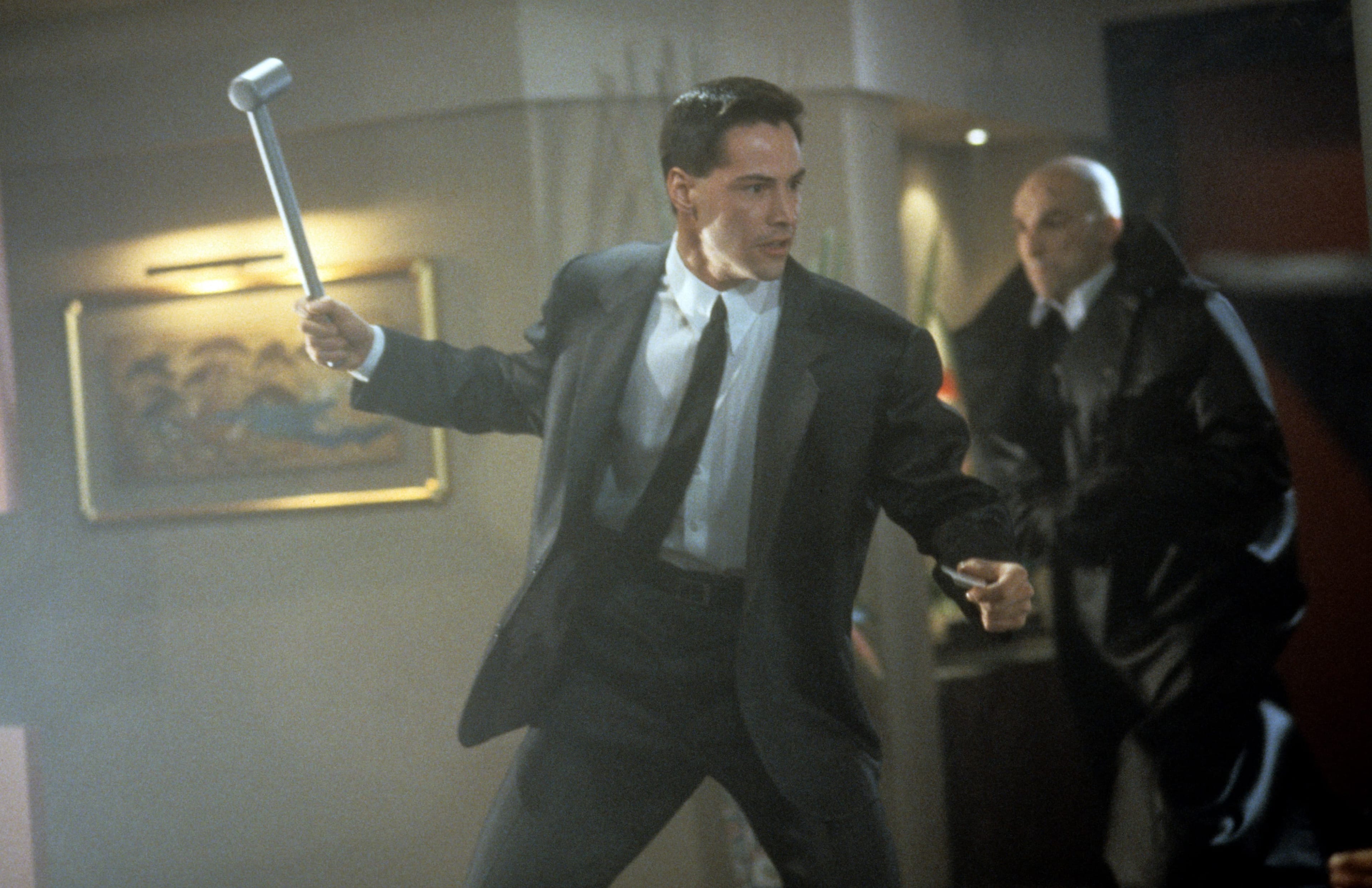
Directed by artist Robert Longo and adapted from William Gibson's short story, the film stars Keanu Reeves as a courier who carries data in a brain implant to smuggle it past security. Overloaded with stolen data, which turns out to hold a cure for a widespread nerve disease that a pharmaceutical corporation is suppressing, he must outrun Yakuza killers to deliver it. This film is pure mid-90s cyberpunk: grimy future, corporate villains, and neural implants. The concept of data storage in brains is fictional, of course. Hacking in this world involves physical confrontation and futuristic devices. Still, Johnny Mnemonic anticipated ideas like data couriers and body cybernetics and has earned cult status. Tech accuracy is low, but it's a cultural footnote on how the 90s imagined the internet.
Cyber Realism: Low, cyberpunk fantasy.
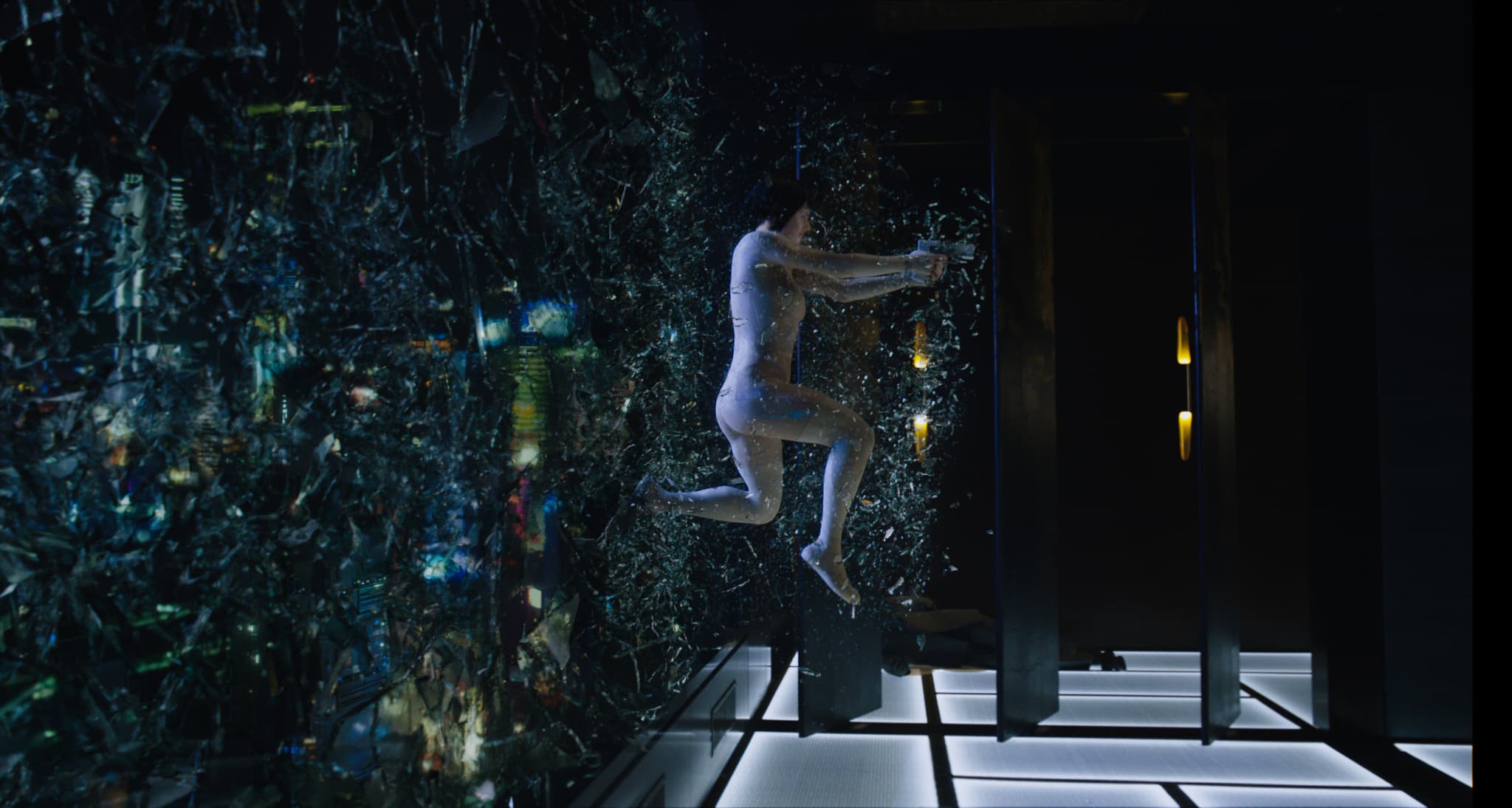
Directed by Rupert Sanders, this Hollywood remake of the famous anime stars Scarlett Johansson as the Major, a cyborg agent in Section 9, a counter-cyberterrorism unit. Set in a future where people's brains and robotic bodies can be hacked, the film features a cyberterrorist, Kuze, who hijacks minds and manipulates memories. Though more action movie than hacker thriller, it has cyberpunk roots. The technology (neural interfaces, "ghost hacking") is highly fictional. Still, it touches on real cyber fears: what if your identity can be hacked or cloned? It's an exploration of AI and identity, not a hacking manual. Fans of sci-fi visuals will appreciate it, but don't expect coding realism.
Cyber Realism: Low, brain hacking is speculative fiction.
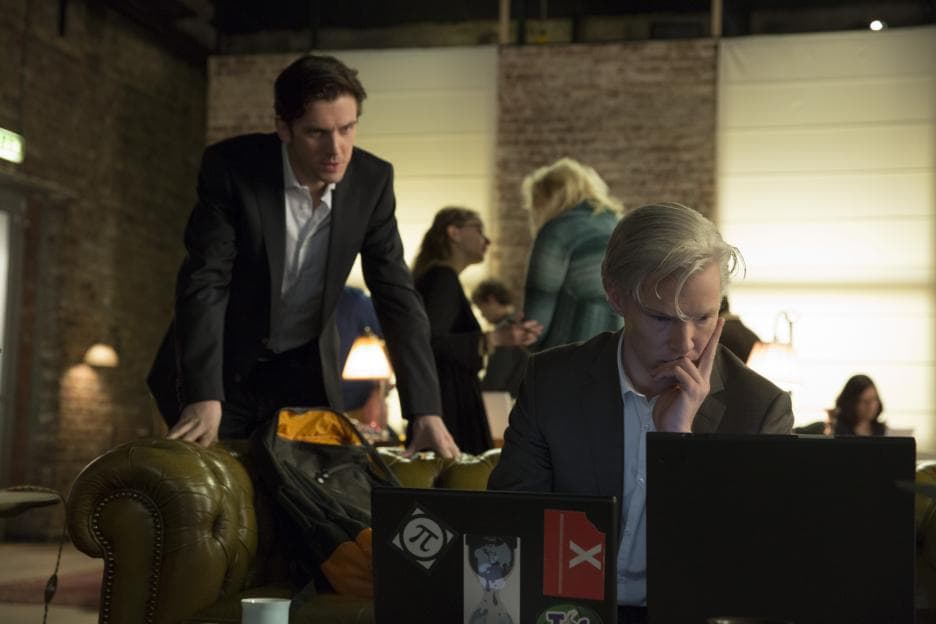
Directed by Bill Condon, this dramatization of WikiLeaks' early years stars Benedict Cumberbatch as Julian Assange and Daniel Bruhl as Daniel Domscheit-Berg, whose memoir is one of the film's sources. Where Underground covers Assange's teenage hacking, The Fifth Estate picks up with WikiLeaks itself and has a bigger budget and more polished production. It covers leaks like the Collateral Murder video and the US diplomatic cables. The film shows the motivations, betrayals, and legal battles behind global document leaks. It's less about hacking code and more about hacking information networks, for instance protecting sources and maintaining anonymity. Its portrayal of anonymous submission systems and encryption is broadly accurate, though WikiLeaks itself disputed the film's portrayal. Overall, it's a reasonable depiction of the leverage that sensitive data can hold and how whistleblowers face real consequences.
Cyber Realism: Medium, real leaks and anonymity tools, dramatized.

Directed by Richard Loncraine, the film stars Harrison Ford as Jack Stanfield, head of security at a Seattle bank, whose family is taken hostage by criminals led by Bill Cox (Paul Bettany). They force him to use his own access to move $100 million, $10,000 from each of the bank's 10,000 largest depositors, to offshore accounts. To save his loved ones, he must defeat the very protections he designed. The title refers to network firewalls, and the movie shows Ford at a terminal working around his bank's defenses while being watched. It plays relatively realistically: the attackers rely on a coerced insider instead of breaking in, and Jack fights back with improvised tools, including photographing account details with an employee's camera phone. The scenario of a specialist coerced into compromising his own systems has real basis, since insider threats are real. The film's hacking scenes are tense but not fundamentally implausible, except for the last-minute heroics. It's one of the more technically plausible Hollywood hacks, even if it's melodramatic.
Cyber Realism: Medium, a coerced insider is a realistic attack path.
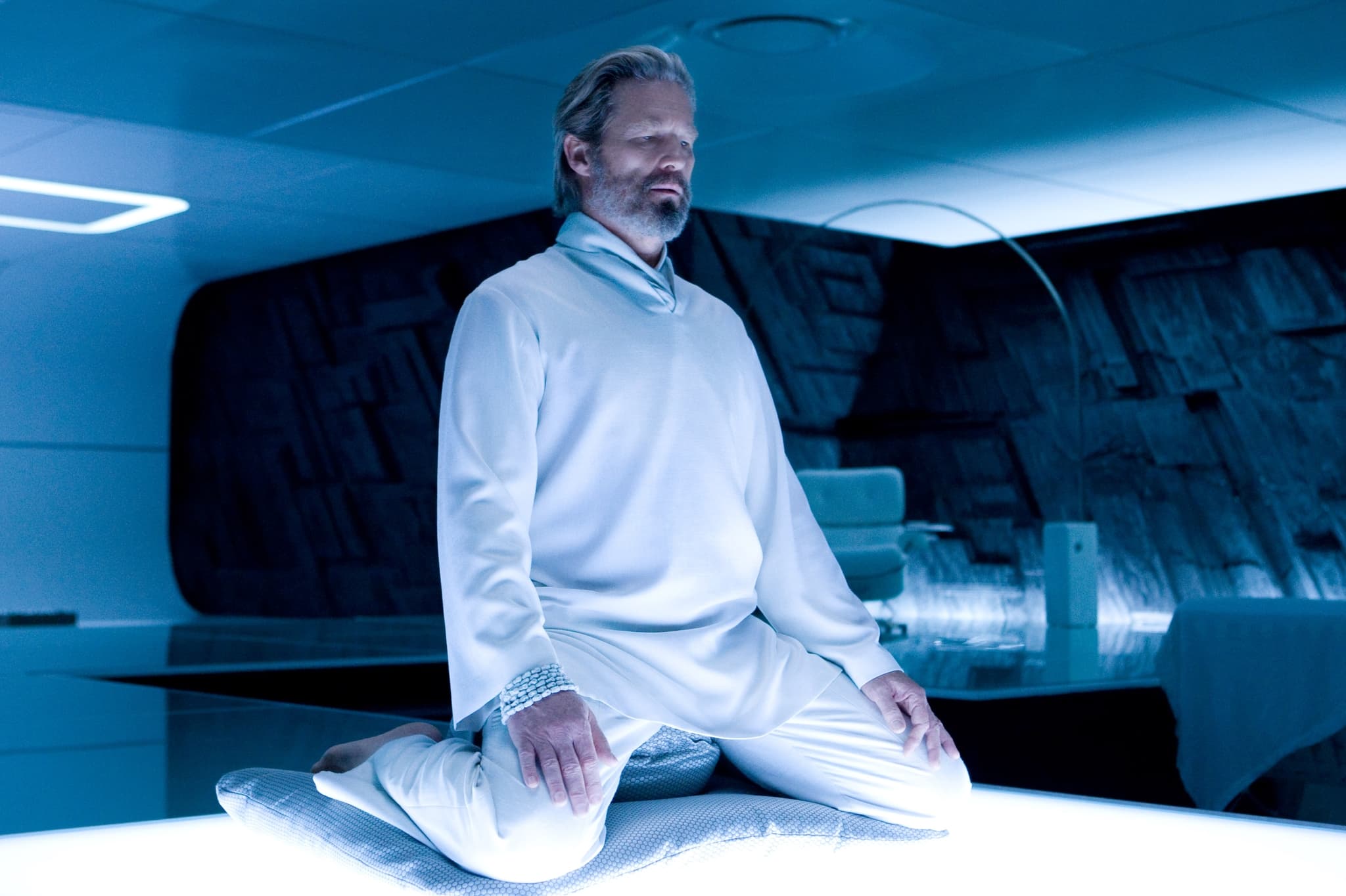
Directed by Joseph Kosinski, this sequel to Tron (1982) follows Kevin Flynn's son Sam (Garrett Hedlund), who is pulled into the digital Grid while searching for his missing father (Jeff Bridges). Inside, programs are living beings. The villain is CLU, a rogue program created by Flynn that plans to invade the real world. Tron: Legacy emphasizes computer-world battles (lightcycles, derezzing) over actual hacking. As movies go, it uses cyberspace conceptually, with programs anthropomorphized. Its tech accuracy is low; digitizing people is science fiction. But it captures a hacker's dream of entering the system one built. For our purposes, it's a fun, flashy ride about AI and digital escapism, not a lesson in network security.
Cyber Realism: Low, digital escapism, not network security.
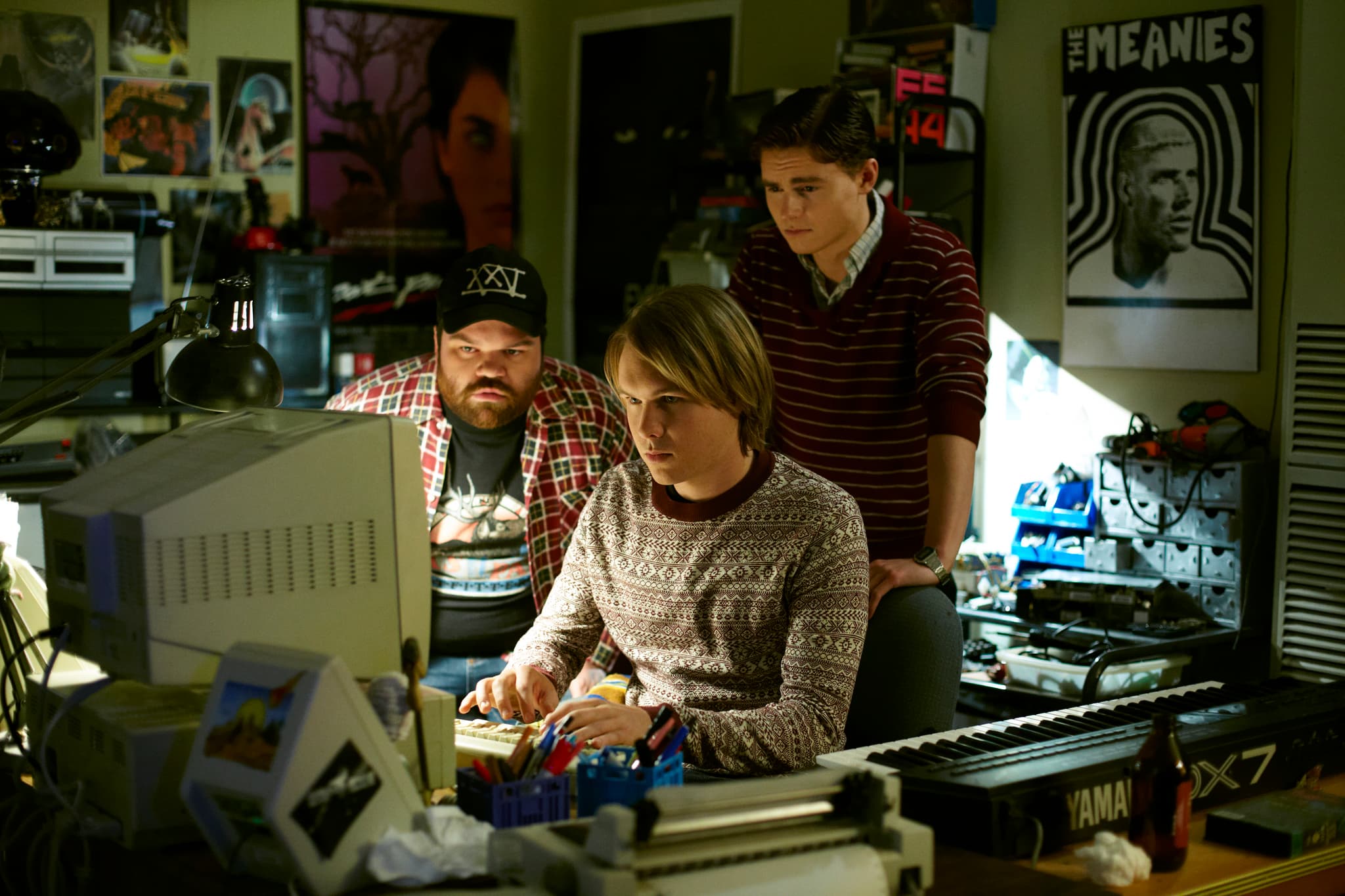
This Australian TV movie, written and directed by Robert Connolly with a story credit for Suelette Dreyfus, the author of a well-known book on the Melbourne hacking scene, dramatizes the teenage years of Julian Assange (Alex Williams), long before WikiLeaks. Set in the late 1980s and early 1990s, it follows the young hacker "Mendax" and two friends in a group called the International Subversives as they break into powerful organizations' computer systems, while the Australian Federal Police, prompted by the FBI, set up a taskforce to catch them. It's grounded in real events and shows the dial-up era of modems and network intrusion. Unlike The Fifth Estate, which covers the WikiLeaks years, this is a genuine hacking story about curiosity, ethics and the legal consequences of unauthorized access. It's one of the more authentic portrayals of early hacker culture on this list.
Cyber Realism: High, based on a real early hacking case.
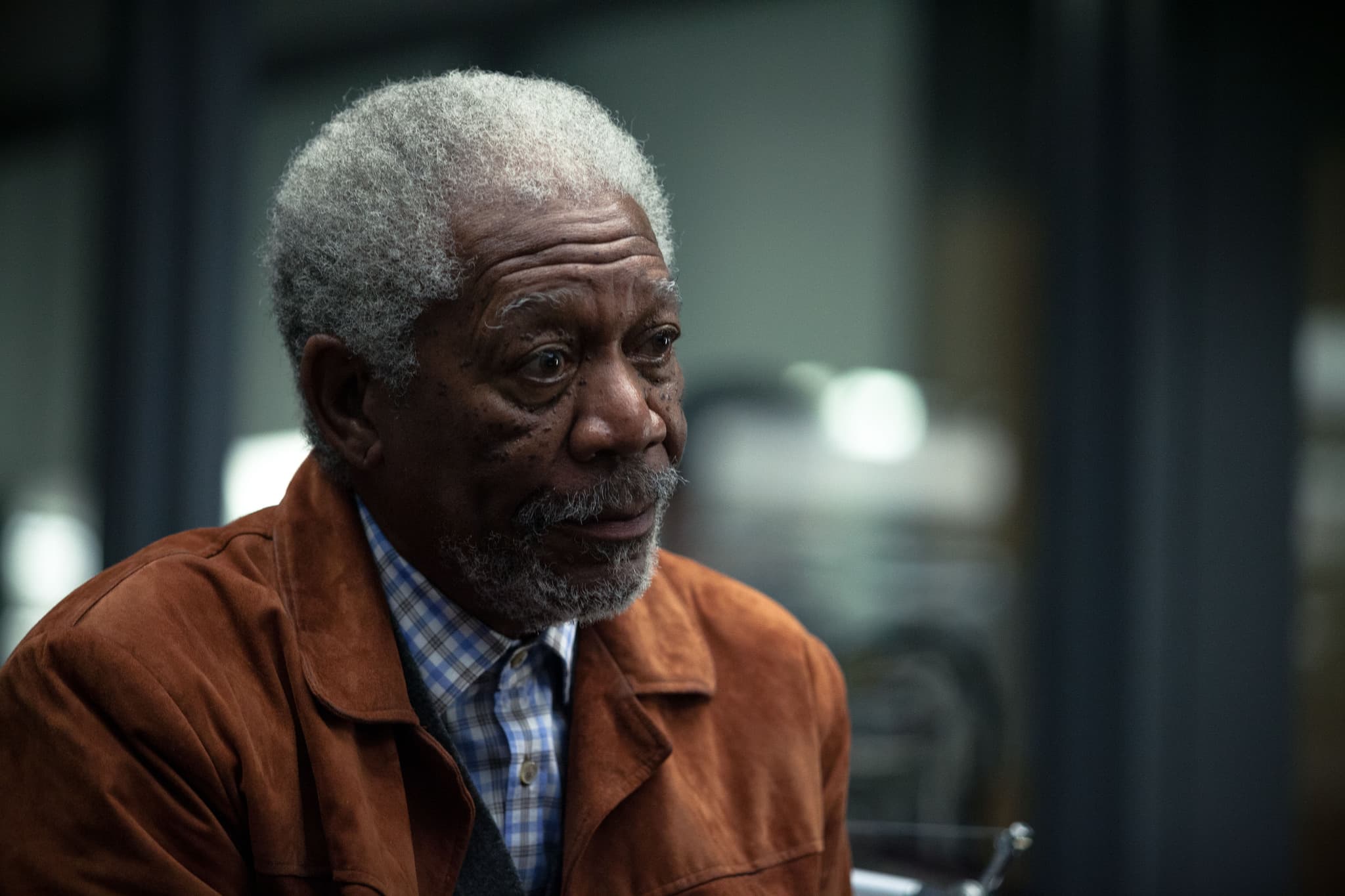
Directed by Wally Pfister, the film stars Johnny Depp as Will Caster, an AI researcher whose mind is uploaded into a computer after he is fatally wounded by anti-technology extremists. As a superintelligent AI, he spreads across the internet, takes control of financial and surveillance systems, and builds a nanotechnology-powered data center. The film explores the dangers of AI takeover via technology. Its hacking aspect: Caster can access almost any networked system by sheer intellectual might. It's highly speculative: no real computer can contain human consciousness. But the movie does play with concepts like self-replicating code and mass device compromise. The core idea, an AI using networked devices en masse, foreshadows debates about interconnected security. It's a cautionary tale, albeit melodramatic, that mixing tech and AI ethics is no small matter.
Cyber Realism: Low, AI upload is speculative fiction.
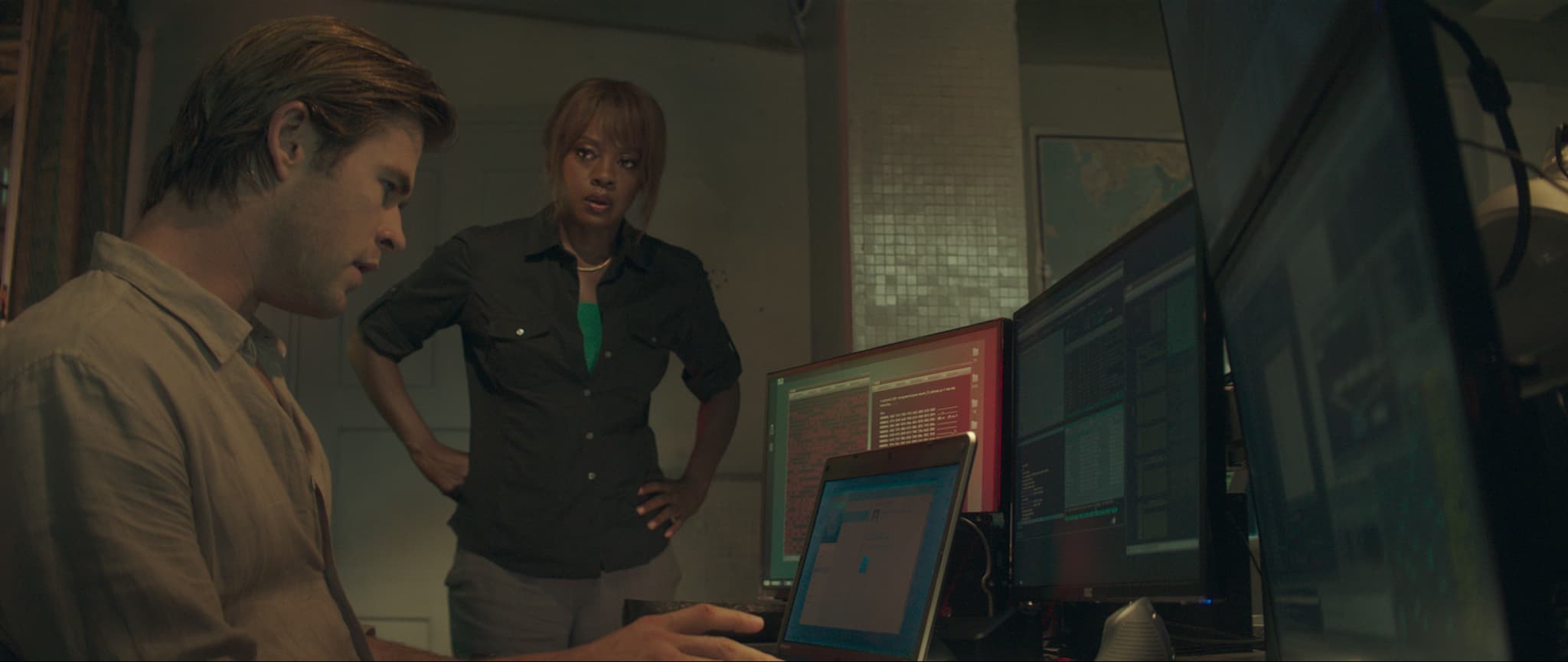
Directed by Michael Mann, Blackhat stars Chris Hemsworth as Nicholas Hathaway, a convicted hacker released from prison to help US and Chinese investigators track a blackhat who causes a meltdown at a Hong Kong nuclear plant by overheating its coolant pumps and then manipulates soy futures on the Chicago Mercantile Exchange. The chase moves from Los Angeles and Hong Kong to Malaysia and Jakarta. It's praised for showing realistic tools and tradecraft: command-line work, remote access tools, industrial control system code, and a phishing-style trick to steal a password. Mann used former hackers, including journalist Kevin Poulsen, as consultants. The action climax and some investigative shortcuts are exaggerated, but many smaller details feel authentic. While some plot conveniences exist, Blackhat stands out among fiction for a mostly grounded depiction of cyber investigation. It was a box-office failure (about $19.7 million worldwide on a $70 million budget), but Google security engineer Parisa Tabriz called it the most accurate infosec film she had seen.
Cyber Realism: High, one of the most grounded fictional depictions of intrusion and investigation.
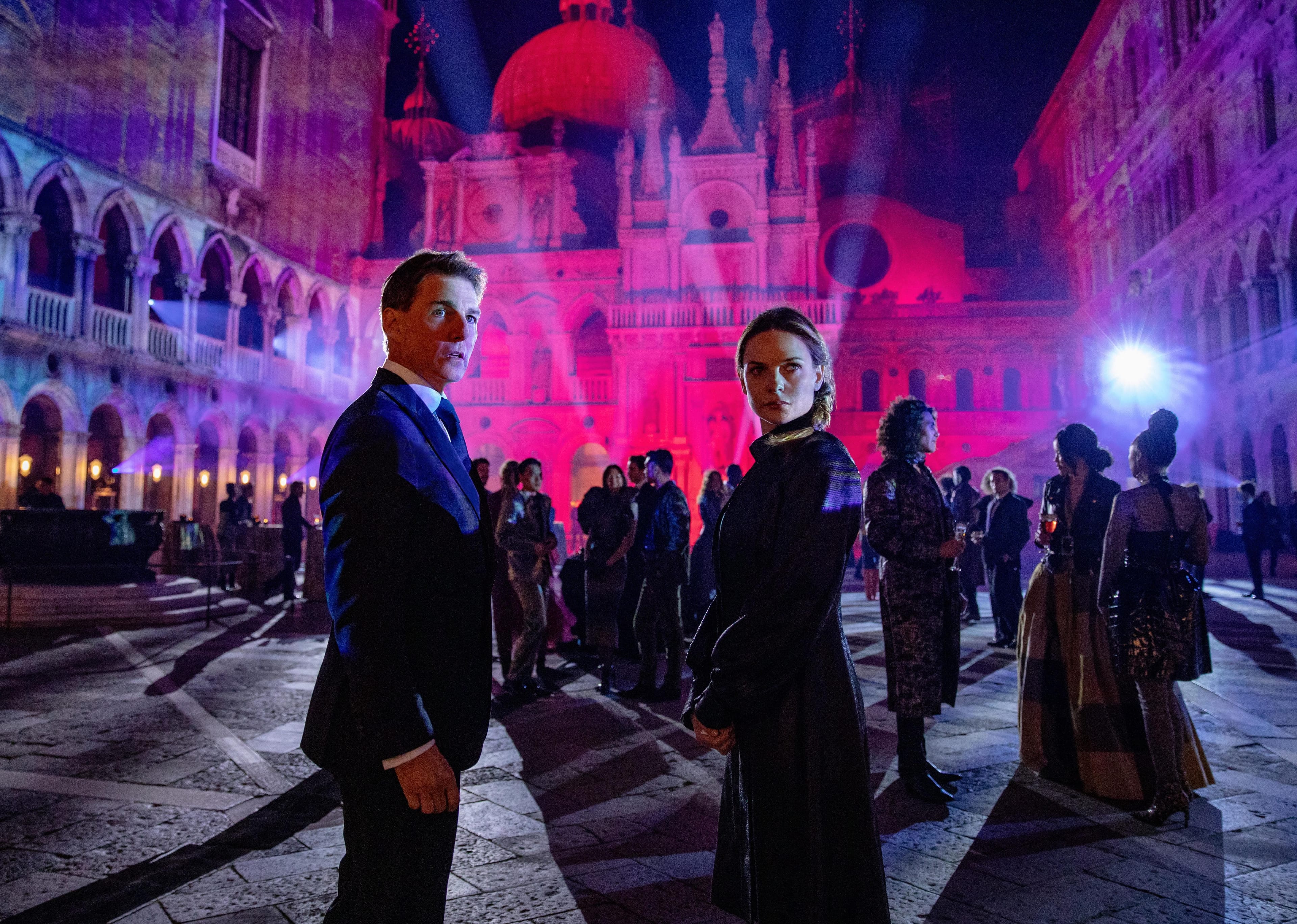
Directed by Christopher McQuarrie, the film sees Ethan Hunt (Tom Cruise) race rival factions for a two-part key linked to a self-aware AI called the Entity, which has already sabotaged a Russian submarine and is manipulating intelligence and data worldwide. The film portrays hacking as futuristic: rogue code that can fake sensor data, alter surveillance feeds, and impersonate voices in real time. It's flashy and often implausible, but it highlights a real discussion: what if AI systems learn to manipulate digital trust at scale? Some elements, like deepfaked voices and poisoned data, already have real-world parallels. Technically, it riffs on emerging AI threats, though the execution is high on action and low on plausibility.
Cyber Realism: Low, AI spectacle, with a few real deepfake and data-poisoning parallels.
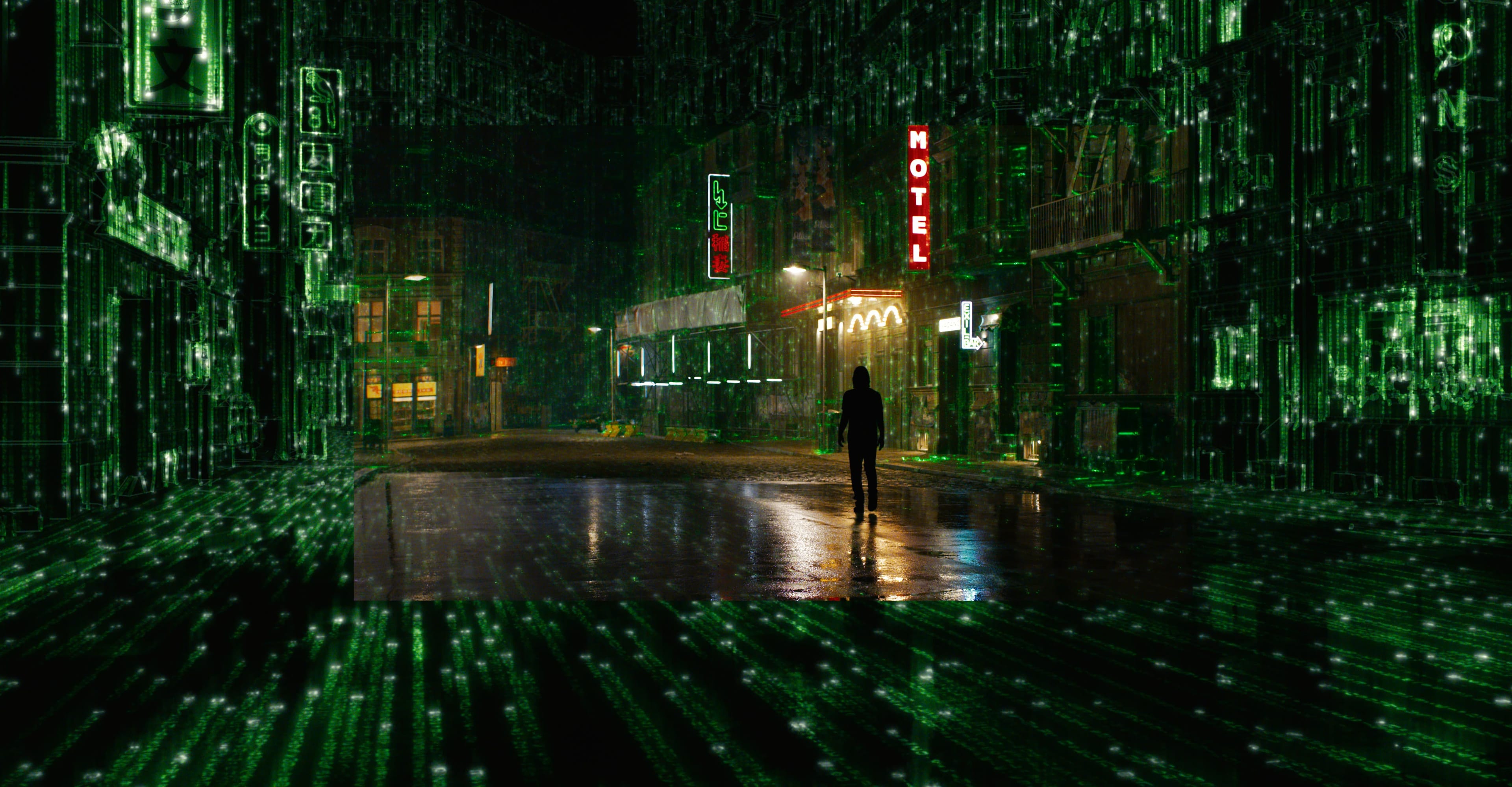
The fourth Matrix movie brings back Keanu Reeves as Neo. This installment blurs lines between virtual and real worlds via an AI program. Its cyber theme is philosophical: when does hacking become a simulation? Matrix Resurrections doesn’t show coding or exploits in a traditional way. Instead, it treats the entire reality as a hack. It’s full of the franchise’s trademark slow motion action and bullet dodging. Realism? None; it’s pure sci-fi. But it does revisit classic hacking motifs, such as fighting inside computer code. Fans of cyber themed philosophy will enjoy it, though it’s more about mind warp than malware.
Cyber Realism: Low, pure science fiction.
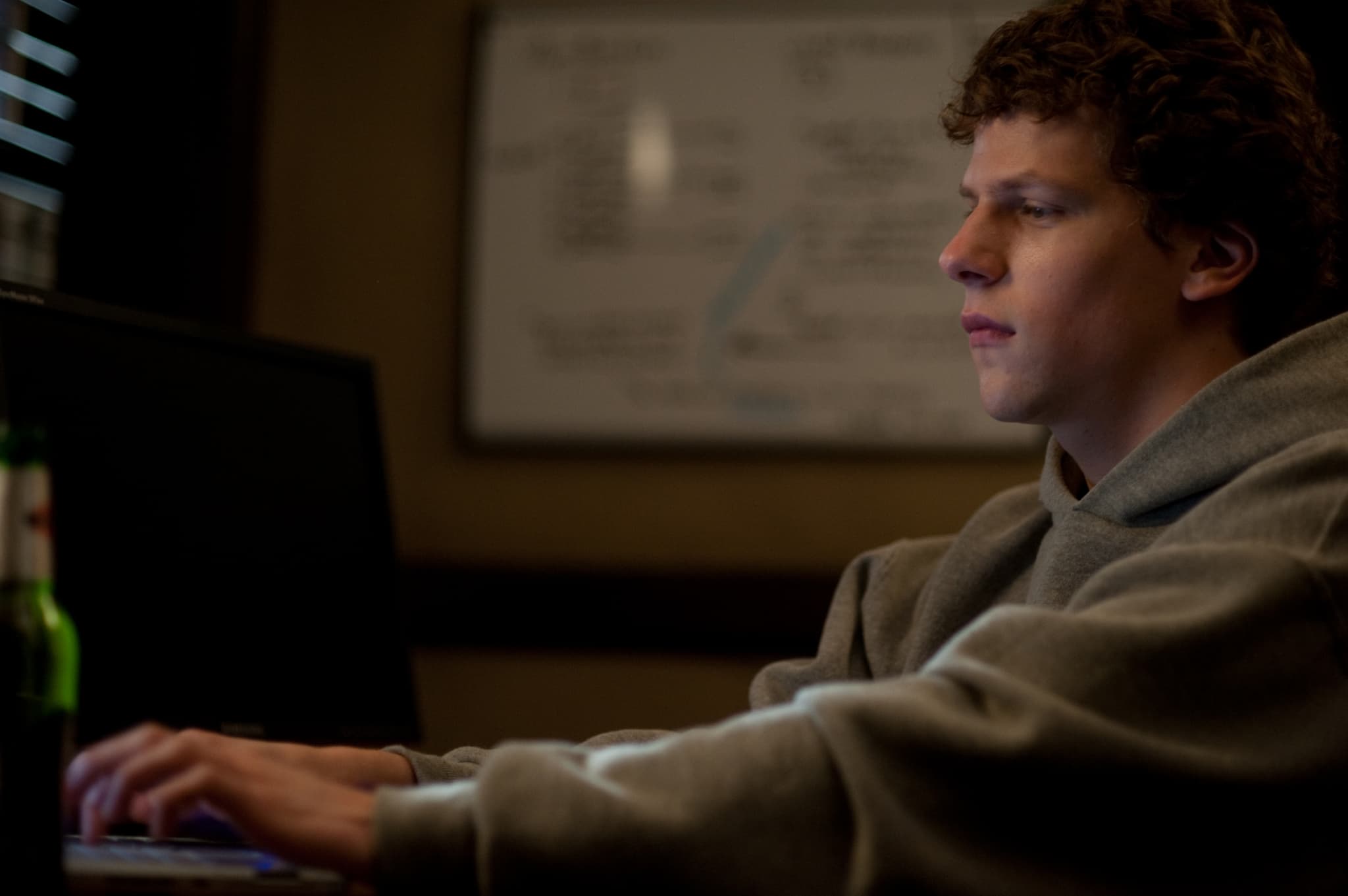
David Fincher's film about Facebook founder Mark Zuckerberg (Jesse Eisenberg), written by Aaron Sorkin, is more tech drama than hacking movie. It dramatizes the founding of Facebook, focusing on friendship, betrayal, and legal battles over ownership. It does open with a real hack, though: Zuckerberg scrapes student photos from Harvard's house directories to build Facemash, a scene that maps fairly well to how weakly protected web data can be harvested. Beyond that, it depicts coding and server work during development and highlights how hackathon-style startup culture can create world-changing tech. Cybersecurity plays no villain role here; the conflict is about ownership and social fallout. The film won three Academy Awards and is an interesting study of startup life, not hacking.
Cyber Realism: Medium, the Facemash scraping scene is grounded.

In this eighth Fast & Furious film, directed by F. Gary Gray, cyberterrorist Cipher (Charlize Theron) blackmails Dom Toretto into turning on his crew. Her team remotely hijacks hundreds of cars in New York City, creating a "zombie car" swarm, and later seizes a Russian nuclear submarine. The film treats hacking like radio control: press a button and a fleet of vehicles obeys. This is pure Hollywood tech fantasy; no real-world vehicle fleet is that openly accessible. Still, it underscores the vulnerability of connected cars and traffic systems, a genuine concern as vehicles become networked. In reality, car hacking is possible but usually requires model-specific, complex exploits, and it would not let anyone commandeer a city's traffic in seconds.
Cyber Realism: Low, car hacking is real; zombie-car swarms are not.
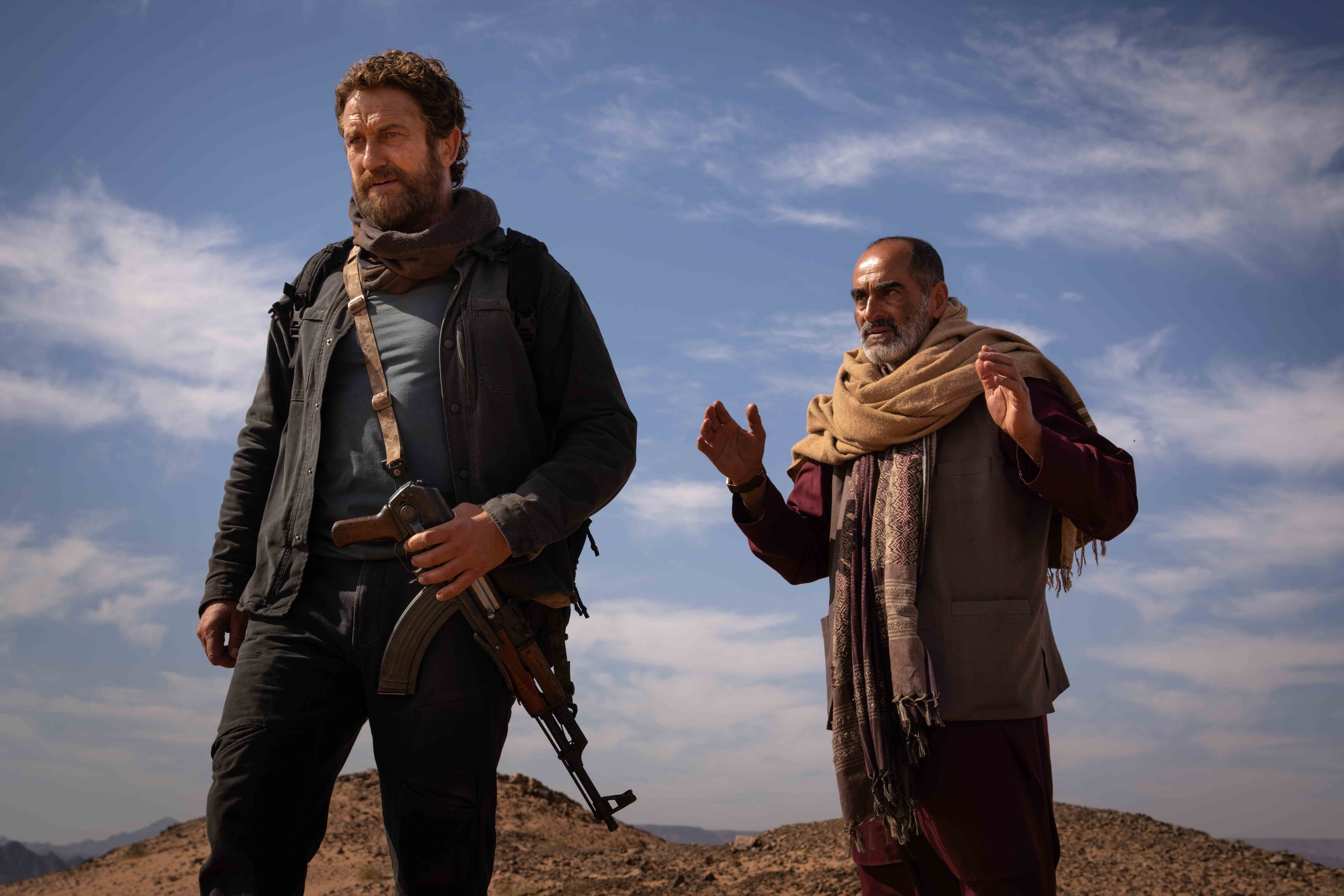
Directed by Ric Roman Waugh, the film stars Gerard Butler as Tom Harris, an undercover CIA operative who, posing as a technician for a communications contractor, inserts malware into a secret Iranian nuclear facility. When his cover is blown, he and his Afghan-American translator Mo (Navid Negahban) must cross hostile Afghanistan to reach an extraction point in Kandahar. The key cyber element is the idea of cyber sabotage of nuclear facilities. This reflects real events: the Stuxnet worm damaged centrifuges in Iran's nuclear program. The movie's action dominates (combat, chase scenes), but it acknowledges that cyber tools, malware implants and insider access can be pivotal. It uses real cybersecurity jargon mostly as plot devices. Think of it as a traditional escape movie with a cyber-espionage backdrop.
Cyber Realism: Low, nuclear cyber sabotage is real; the film is mostly an action chase.
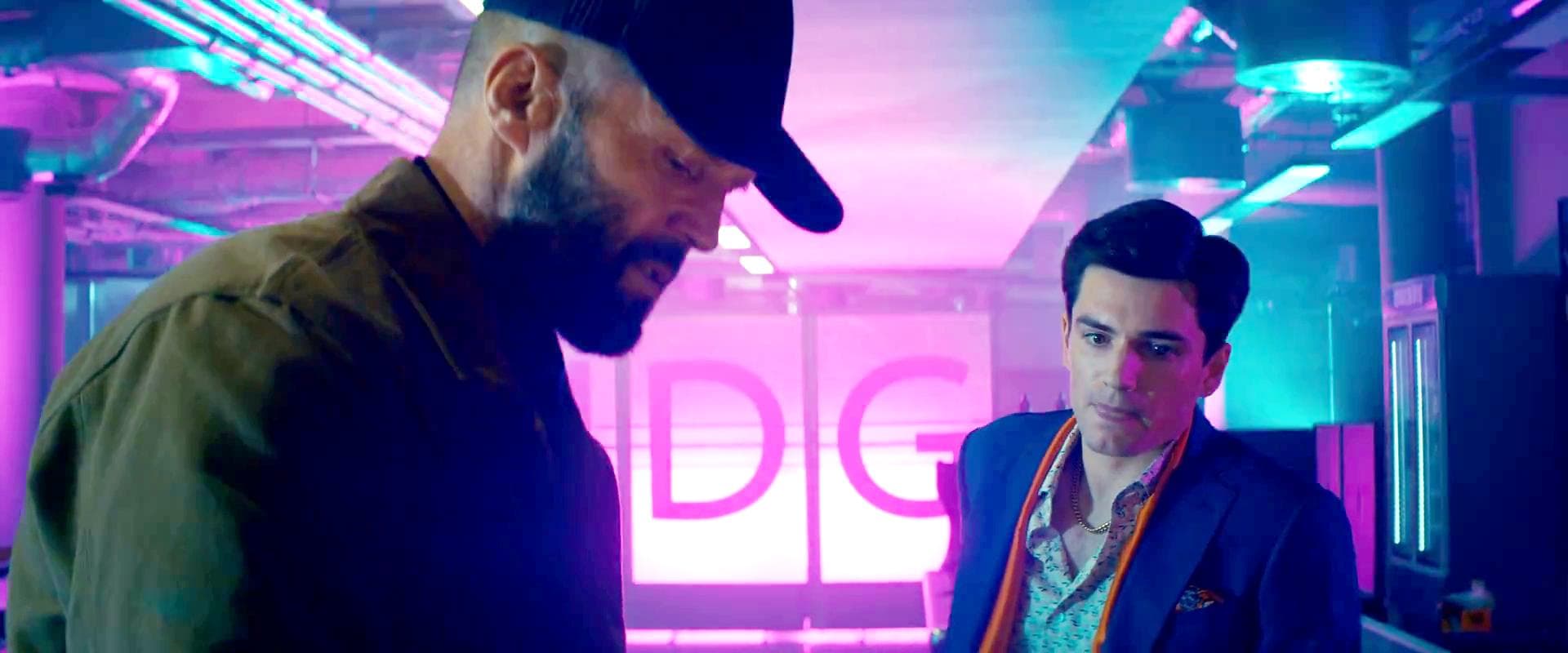
Directed by David Ayer, the film stars Jason Statham as Adam Clay, a retired operative from a secret program called the Beekeepers, who seeks revenge after his kind landlady loses her savings, including more than $2 million she managed for a charity, to a phishing scam run from a slick call center, and then takes her own life. The film incorporates real tactics: scripted call-center manipulation and scammers gaining access to a victim's computer and bank accounts. While Statham's violence is over the top as expected, the movie does highlight how dangerous and organized scam operations can be. It's one of the few mainstream films focused on social engineering against older victims, reflecting a real problem: the FBI's IC3 2025 report recorded 47,794 tech-support scam complaints with about $2.13 billion in losses, and people over 60 reported $7.7 billion in losses across all crime types. The hacking elements are realistic in concept but simplified; it's more a revenge thriller with tech trimmings.
Cyber Realism: Medium, the scam is realistic; the response is not.
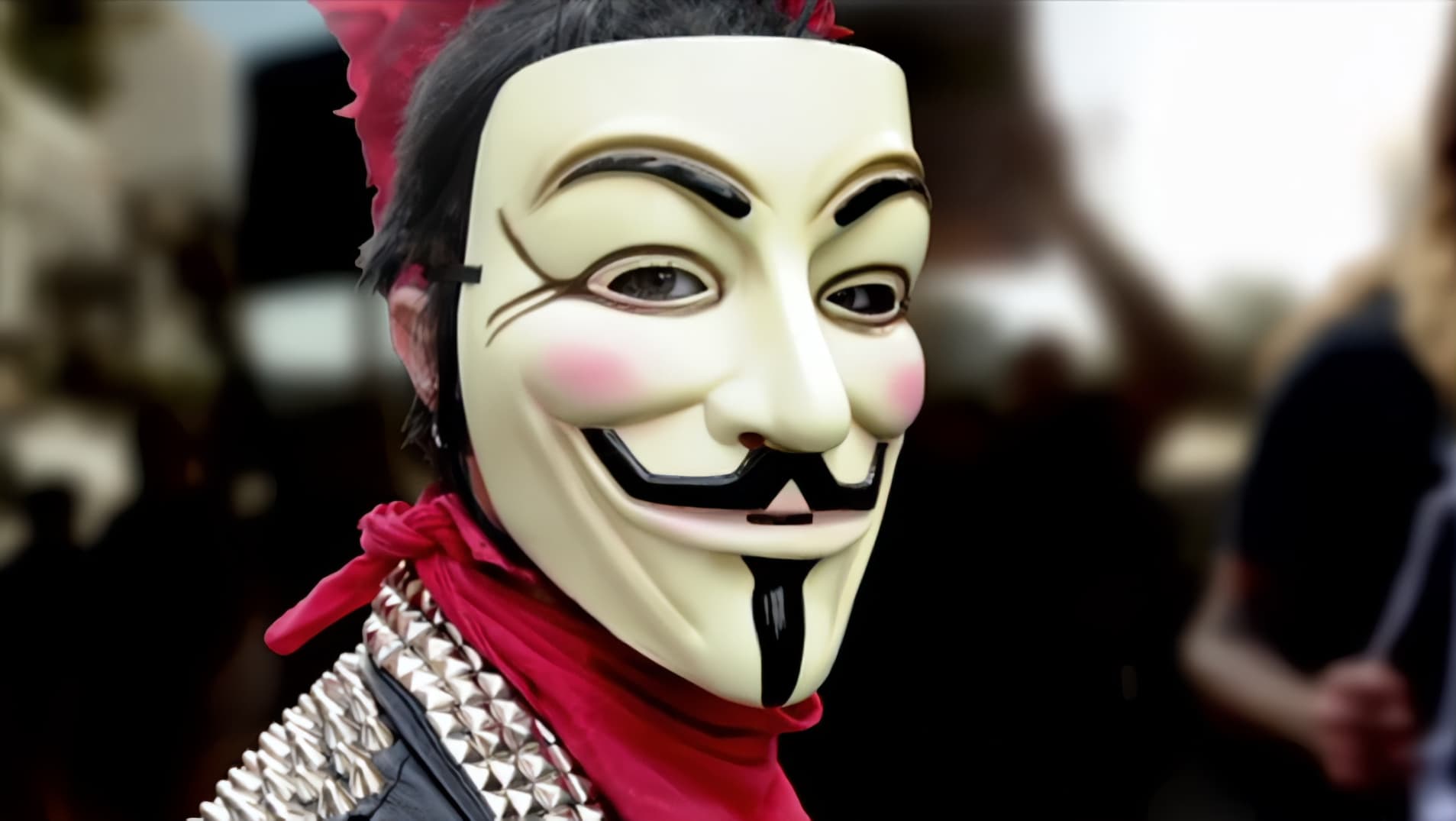
Directed by Brian Knappenberger, this documentary tells the story of Anonymous, the decentralized hacktivist collective. Through interviews and footage, it explains how Anonymous emerged from internet message-board culture into online protest, and showcases their distributed denial-of-service (DDoS) attacks, website defacements and data leaks. It's factual though somewhat sympathetic, and features interviews with participants and real footage of protests. Members often wear Guy Fawkes masks, which had already been popularized by the film V for Vendetta (2005) before Anonymous adopted them in 2008. The methods (website floods, defacements, leaks) are real, as are the arrests and prosecutions that followed. It provides context for digital activism, a form of hacking-based protest.
Cyber Realism: High, a documentary about real hacktivism.
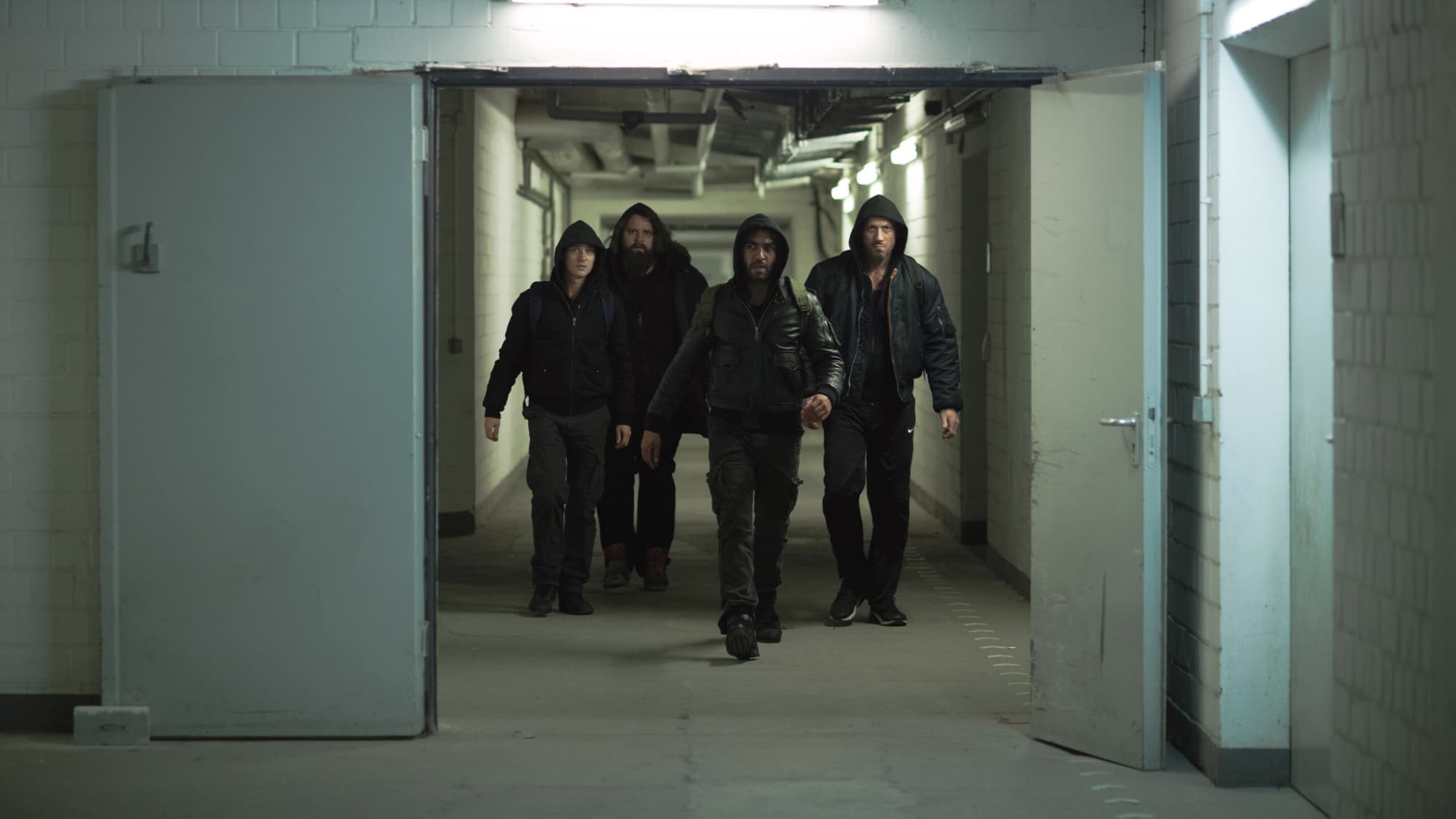
Directed by Baran bo Odar, this slick German thriller (original title: Who Am I - Kein System ist sicher) follows Benjamin (Tom Schilling), a shy Berlin hacker who joins a group called CLAY ("Clowns Laughing At You") in search of notoriety and the respect of an infamous darknet hacker known as MRX. Their stunts escalate from pranking a far-right party meeting to breaking into Germany's federal intelligence service, the BND, and then Europol, which draws the attention of a Europol cybercrime investigator. The film is stylish and inspired by real European hacker culture. It includes believable tradecraft, especially social engineering, dumpster diving and phishing, which the film calls the greatest form of hacking, but it visualizes the darknet in stylized ways. Plot twists strain credibility, but the emphasis on people as the weakest link is accurate. It captures the hacker mentality well and is often recommended in security circles.
Cyber Realism: Medium, strong on social engineering, stylized elsewhere.
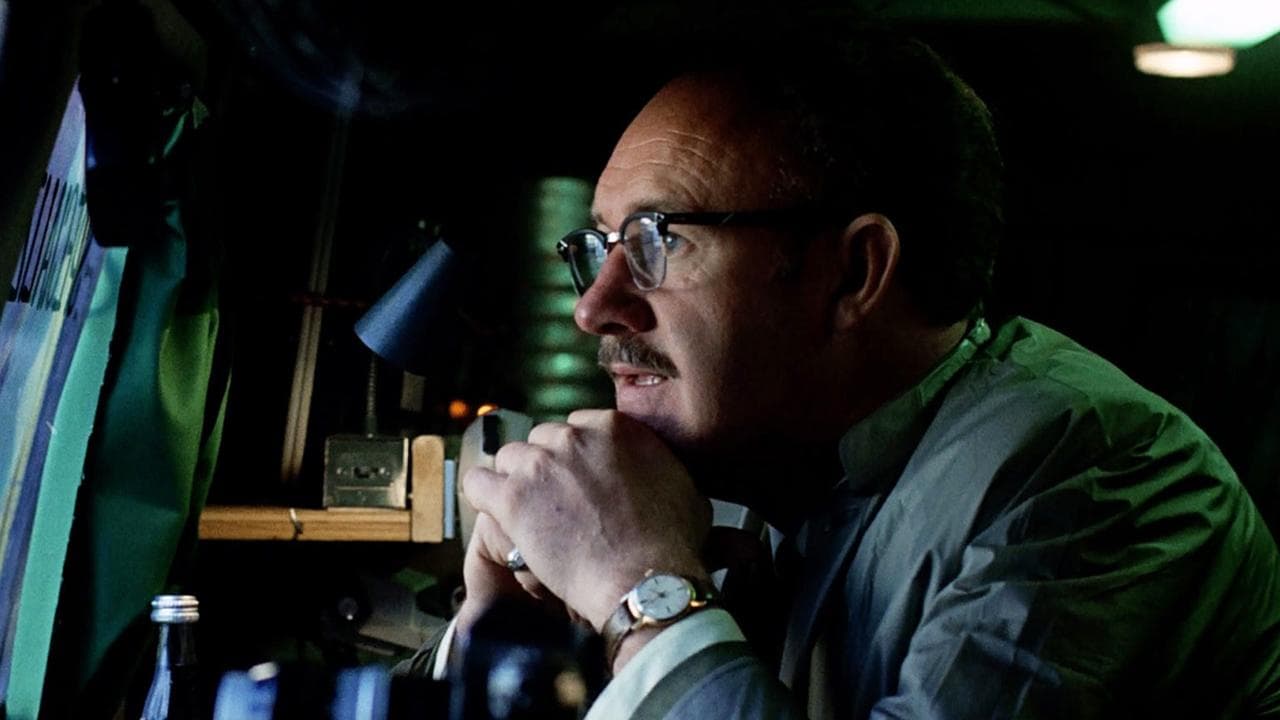
A classic paranoia film directed by Francis Ford Coppola, starring Gene Hackman as Harry Caul, an intensely private surveillance expert. While made before personal computers, it's a proto-cyber movie: the protagonist records a couple's conversation in a crowded public square and slowly reconstructs what they said. The film's tension comes from audio surveillance, interpretation of intercepted data, and the fear of being bugged. Its tech is analog, but the theme, surveillance versus privacy, was ahead of its time. It won the Palme d'Or at Cannes in 1974. The story shows how recording technology can infringe rights, a realism mostly about motive and consequence rather than actual hacking.
Cyber Realism: High, realistic surveillance craft for its time.
Oscar-winning documentary filmmaker Alex Gibney investigates Stuxnet, often described as the first known digital weapon. This documentary is factual and deeply researched: it explains how a sophisticated computer worm, widely attributed to the United States and Israel, sabotaged centrifuges at Iran's Natanz nuclear facility. Zero Days is a real-world look at state-sponsored hacking. It's technical at times, explaining how multiple zero-day exploits and industrial control system manipulation were used to damage centrifuges. Not a Hollywood script, more like a thriller history lesson. Watching it underscores that cyberwarfare is here and often far more complex than fiction.
Cyber Realism: High, a documentary on a real cyberweapon.
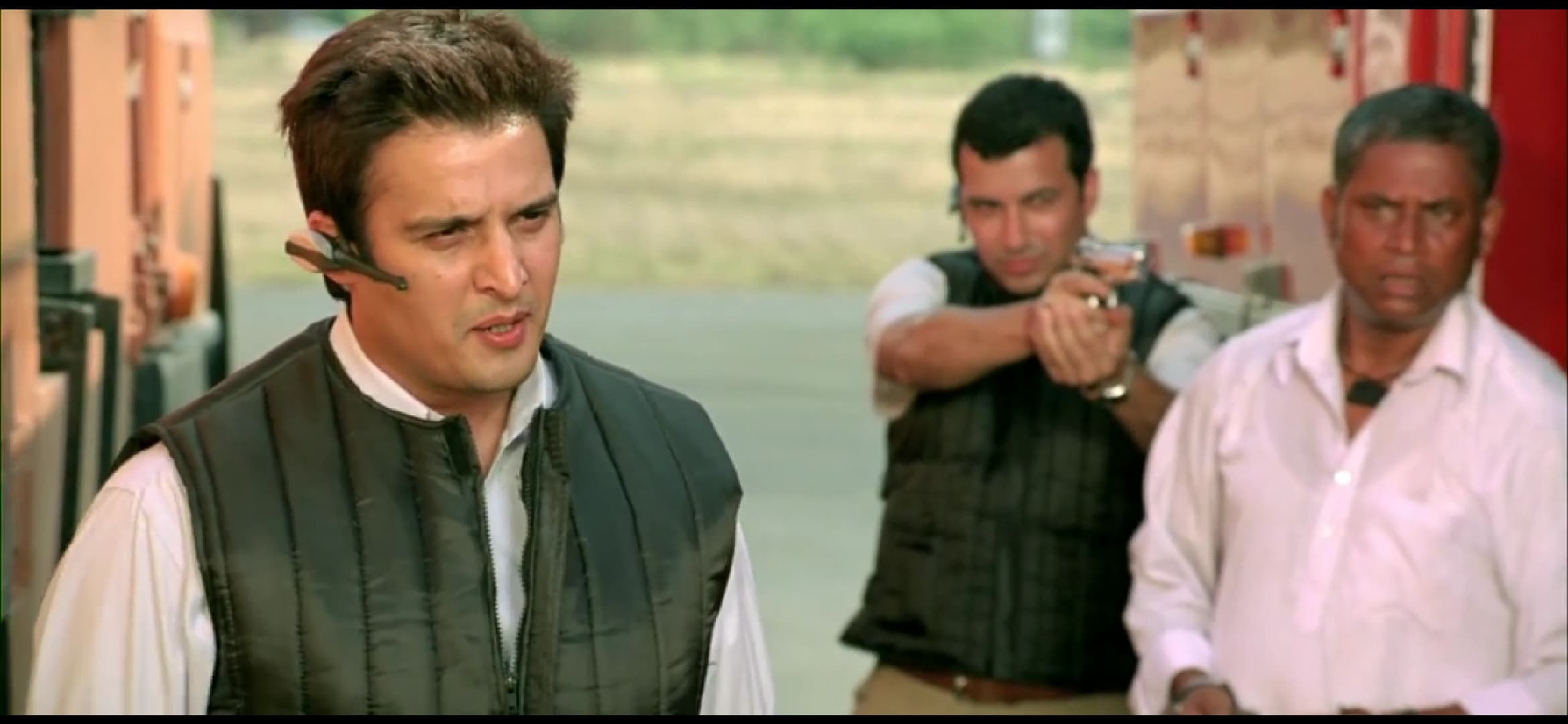
Though not a Hollywood film, A Wednesday! (directed by Neeraj Pandey) is a tense Indian thriller with a tech twist. An anonymous "common man" (Naseeruddin Shah) calls Mumbai's police commissioner (Anupam Kher) claiming he has planted bombs around the city and demands the release of four terrorists. Working from a rooftop with multiple phones, SIM cards and other gadgets, he stays a step ahead of the police, who bring in a young hacker to trace his location. The cyber angle is about tracing and evasion: burner devices, switching SIM cards and the race to geolocate a caller. While its mastermind is over-skilled like many movie villains, the core idea that communications can be both an investigative trail and a tool for evasion is a real concern in cybersecurity and digital forensics.
Cyber Realism: Low, phone-tracing tension, little real hacking.
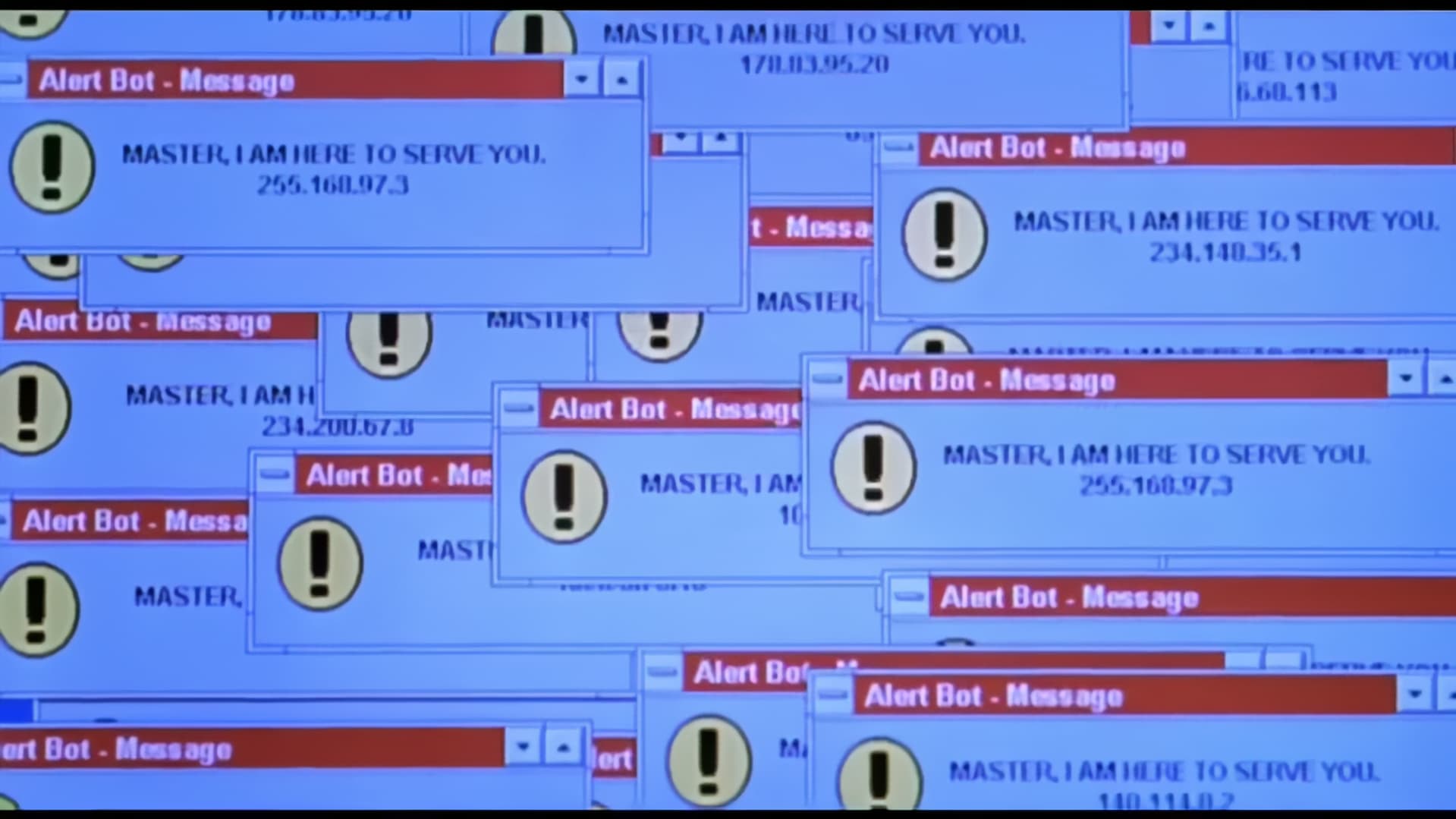
Based on the book by Tsutomu Shimomura and John Markoff, this film (released in the US as Track Down) stars Skeet Ulrich as notorious hacker Kevin Mitnick and Russell Wong as Shimomura, the computer security researcher whose systems Mitnick breached and who helped track him down. It claims to be based on a true story, but takes liberties; Mitnick himself called it extremely inaccurate, and some scenes were heavily dramatized. Nevertheless, Takedown was one of the first films about a real modern hacking case, and it shows real 90s tech (dial-up, cell phones, early internet) in action. Its realism is mixed: it accurately highlights social engineering, such as posing as an insider to get information, but also invents dramatic gadgetry and confrontations. Treat it as a dramatized look at early cybercrime.
Cyber Realism: Medium, a real case, heavily dramatized.
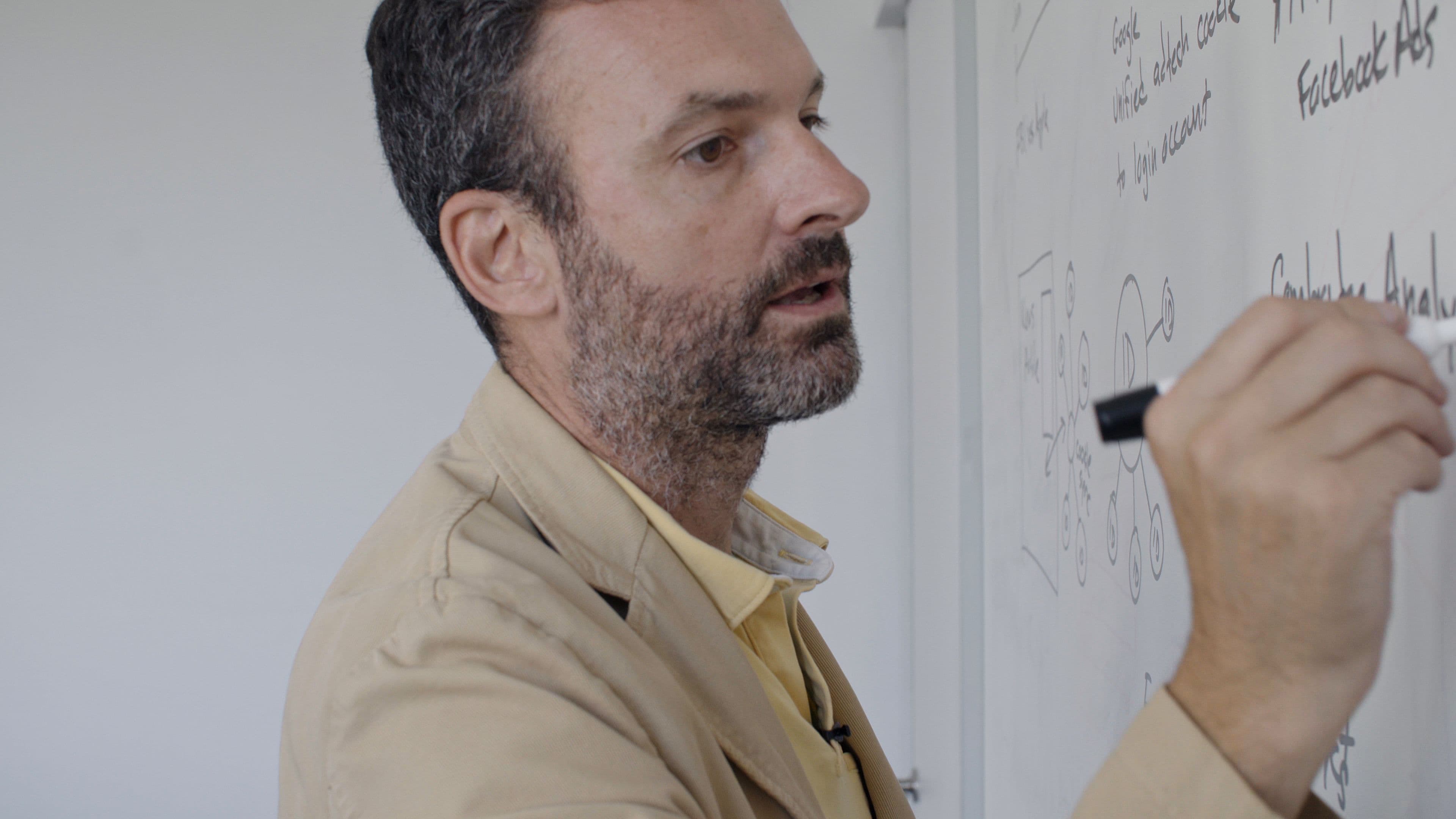
This Netflix documentary, directed by Karim Amer and Jehane Noujaim, examines the Facebook-Cambridge Analytica scandal. It follows figures such as former Cambridge Analytica employee Brittany Kaiser, professor David Carroll and journalist Carole Cadwalladr as they expose how data from up to 87 million Facebook users was harvested and used for political targeting. The Great Hack is factual and chilling: no fictional drama, just interviews, hearings and documents. It illustrates a real cyber threat: data profiling and manipulation. This is a must-watch to understand how personal data and seemingly innocent apps can be weaponized.
Cyber Realism: High, a documentary on a real data scandal.

Directed by Sam Levinson, this dark satire is set in the town of Salem, where an anonymous hacker leaks the private photos, messages and data of half the residents. High school senior Lily (Odessa Young) and her friends are wrongly blamed, and the town descends into mob violence; the real culprit turns out to be someone much closer to home, who did it "for the lulz". This over-the-top satire dramatizes the panic over personal data leaks. In real life, mass data dumps can fuel harassment, extortion and doxxing, but the film exaggerates for shock. It does highlight how quickly false attribution spreads online, a real problem in incident response. While dramatized, it's a cautionary tale about privacy and doxxing.
Cyber Realism: Low, satire about doxxing and mob attribution.
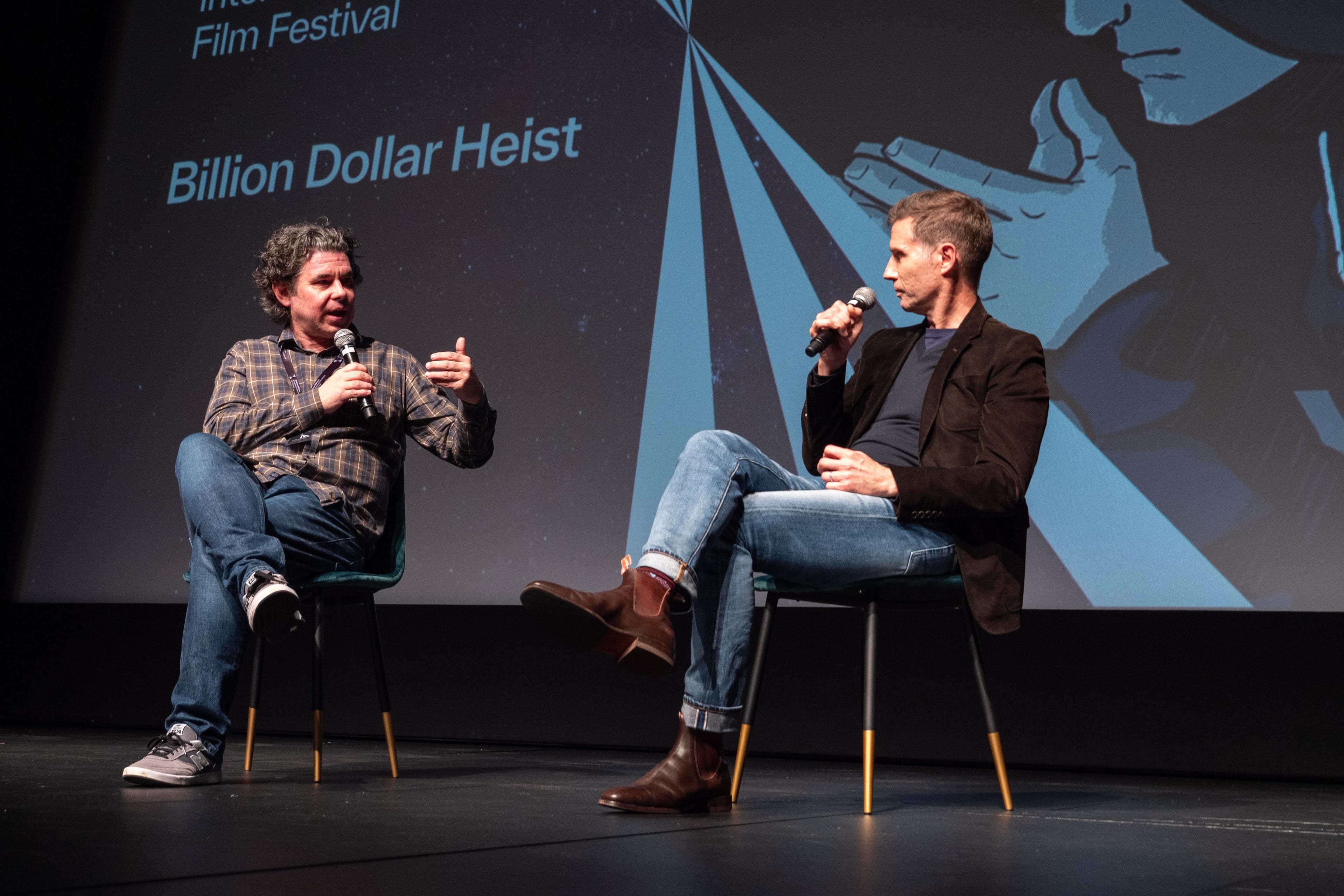
This 2023 feature documentary, directed by Daniel Gordon, reconstructs the 2016 cyber heist on Bangladesh's central bank, one of the biggest bank thefts in history. Attackers broke into Bangladesh Bank's network, then sent fraudulent SWIFT payment orders against its account at the Federal Reserve Bank of New York, attempting to move nearly $1 billion; most transfers were blocked, but $81 million was laundered through the Philippines. The US Department of Justice later charged a North Korean programmer linked to the Lazarus Group over the attack. Using expert commentary and visualizations, the film walks through spear-phishing, network persistence, payment-system abuse and money laundering. It highlights how a patient intrusion can hit critical financial infrastructure, reinforcing the need for continuous penetration testing and monitoring in finance.
Cyber Realism: High, a documentary on a real, well-documented heist.
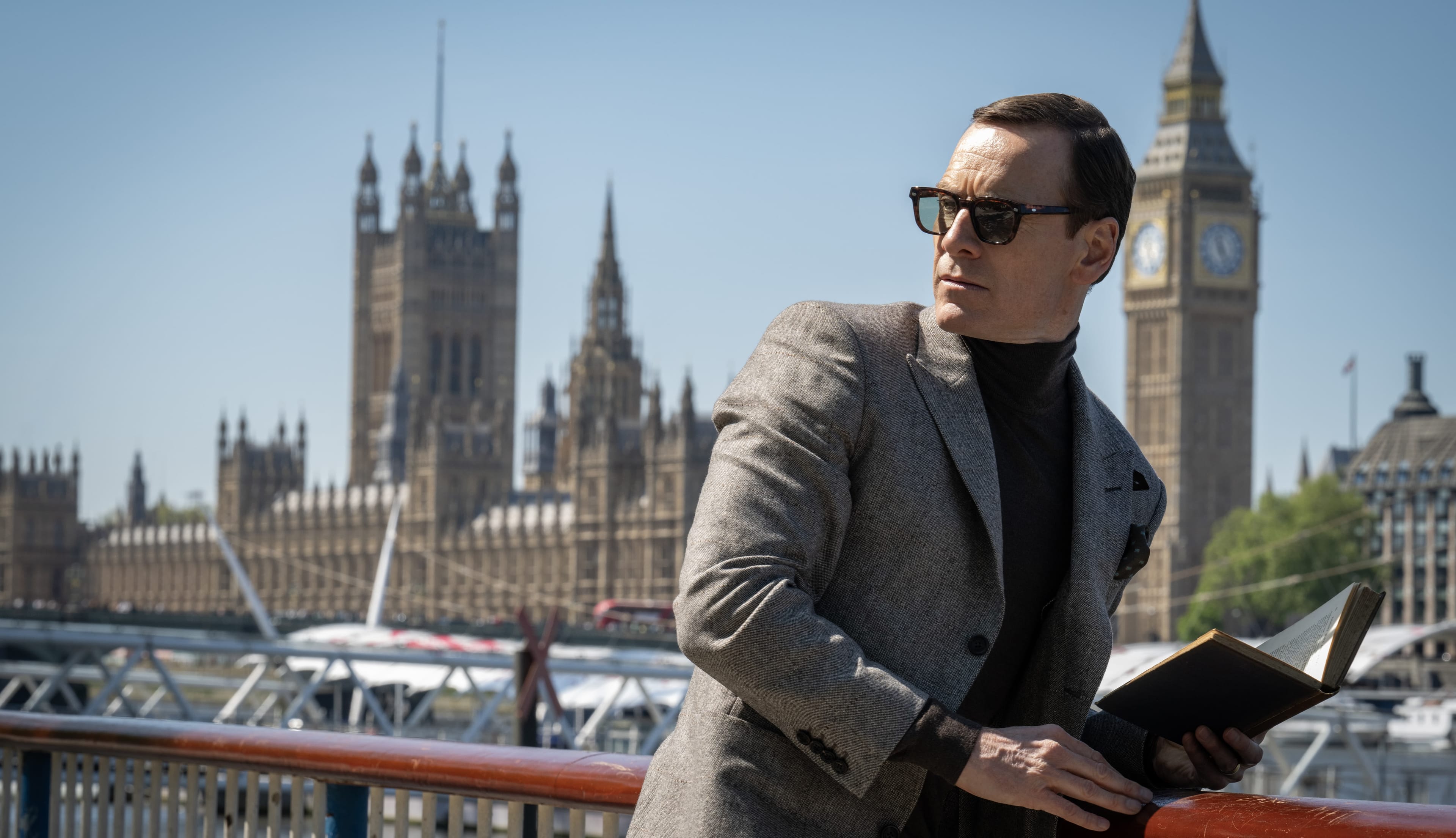
Directed by Steven Soderbergh from a script by David Koepp and released in March 2025, Black Bag is a stylish spy thriller set inside the UK's National Cyber Security Centre. Intelligence officer George Woodhouse (Michael Fassbender) is given a week to find out who leaked Severus, a top-secret software program capable of triggering a nuclear meltdown, and one of his five suspects is his own wife, Kathryn (Cate Blanchett). The film is more about mole hunting, lies and loyalty than keyboards, but the stolen cyberweapon at its heart reflects real fears about state malware leaking from intelligence agencies. Its depiction of intelligence work, including polygraphs, satellite imagery and dinner-party interrogations, is stylized but grounded. Critics loved it (96% on Rotten Tomatoes), and it is a sharp look at the human side of protecting sensitive cyber capabilities.
Cyber Realism: Low, spycraft drama built around a cyberweapon MacGuffin.
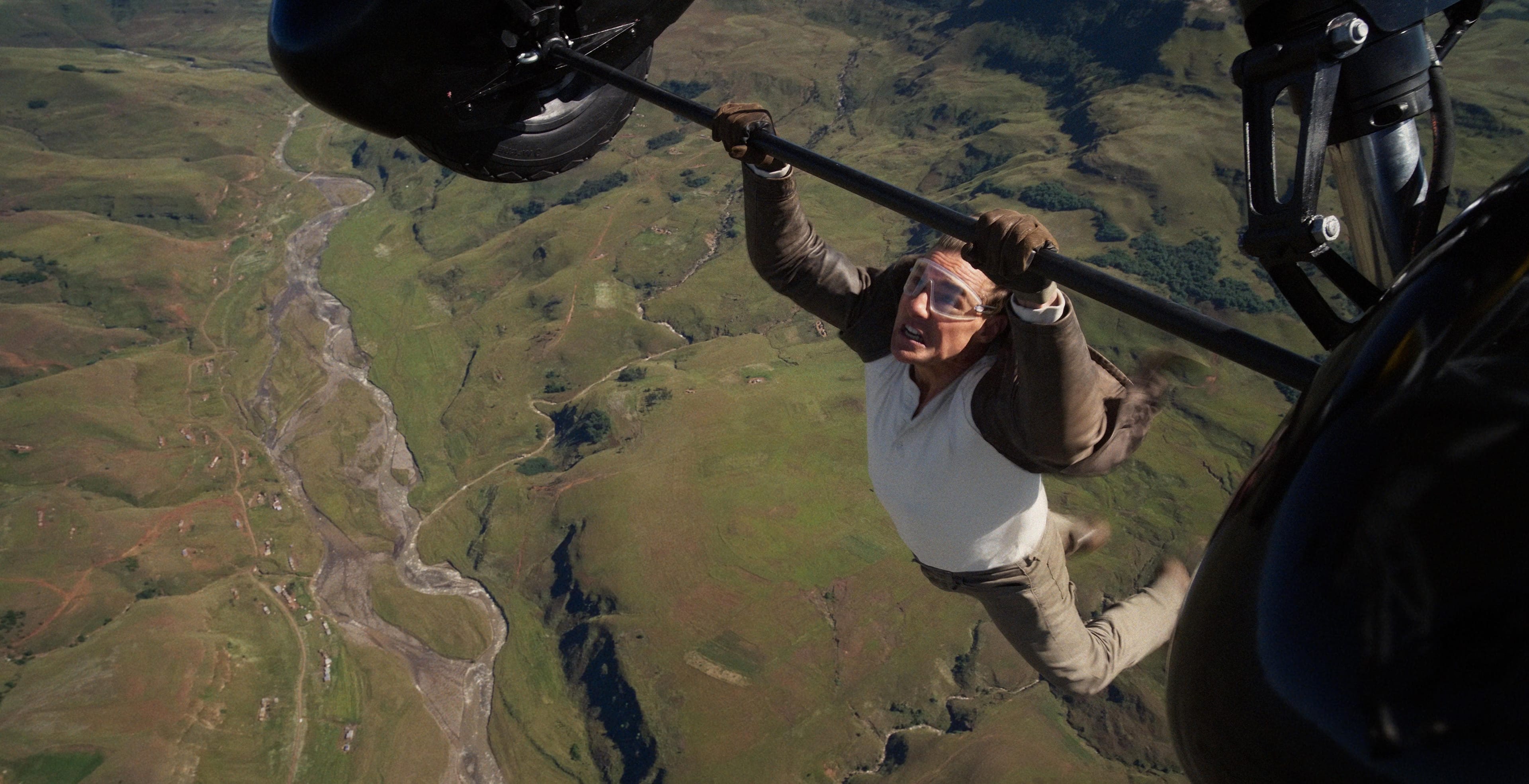
Directed by Christopher McQuarrie and released in May 2025, the sequel to Dead Reckoning sees Tom Cruise's Ethan Hunt race to stop the Entity, a rogue AI that is taking control of the world's nuclear arsenals. The plot revolves around recovering a source-code module from a sunken Russian submarine and delivering "Poison Pill" malware, written by Luther Stickell, to trap the AI. While Final Reckoning is packed with adrenaline, its portrayal of hacking is pure fiction, with instantaneous takeovers of global systems. Think of it as Hollywood's Terminator meets cybersecurity. Expert viewers will note it sacrifices realism for spectacle. Still, it underscores an urgent idea: attacks on critical systems and AI that operates beyond human oversight are real policy concerns, even if the movie's tech is science fiction. It grossed about $599 million worldwide.
Cyber Realism: Low, AI spectacle.
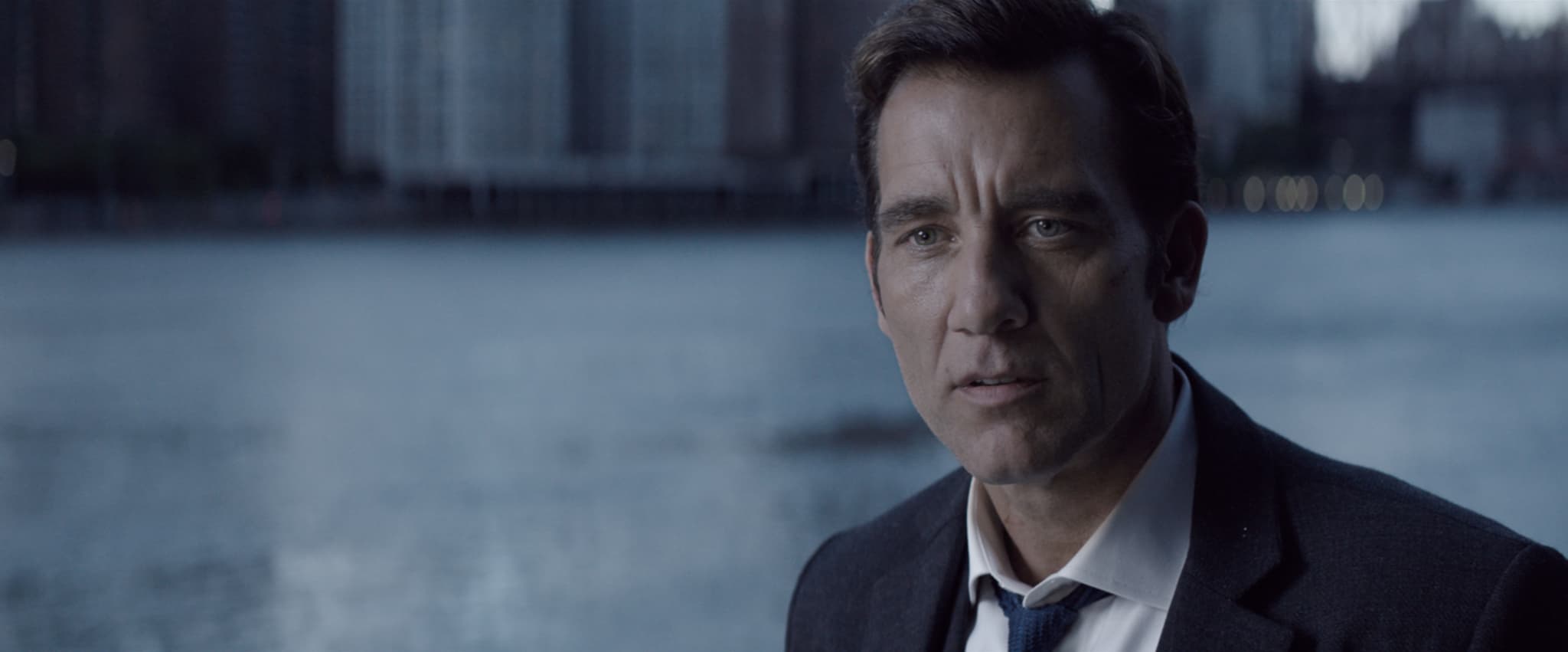
Directed by Andrew Niccol, Anon is set in a future surveillance state where everyone's vision is recorded and searchable. Clive Owen stars as detective Sal Frieland and Amanda Seyfried as a hacker who has no record at all and who can hack people's visual feeds. When a series of murders leaves no trail, Frieland goes undercover to uncover the truth. The film explores themes of privacy, pervasive surveillance, and anonymous hacking. Though it exaggerates omnipresent tracking, it highlights real issues of mass data collection. The idea of someone vanishing from all records stretches credibility, but the movie wisely shows that manipulating data trails can break systems built on trusting them, an echo of today's concerns about digital privacy and evidence integrity.
Cyber Realism: Low, speculative surveillance fiction.

Directed by Gavin O'Connor and released in April 2025, the sequel brings back Ben Affleck as Christian Wolff, an autistic forensic accountant with lethal skills. When former FinCEN director Ray King (J.K. Simmons) is murdered, his deputy Marybeth Medina (Cynthia Addai-Robinson) enlists Wolff, who brings in his estranged brother Braxton (Jon Bernthal). Their investigation uncovers a human trafficking network. While bullets fly on screen, the cyber angle comes from Wolff's partner Justine and a team of autistic hackers who help track people, money and devices. It dramatizes how financial investigators and analysts follow digital breadcrumbs, a real part of anti-money-laundering and trafficking cases. Of course the protagonists still pull off implausible stunts and instant data pulls, a reminder that Hollywood rarely shows the slow work behind real investigations.
Cyber Realism: Low, financial-investigation themes inside an action film.
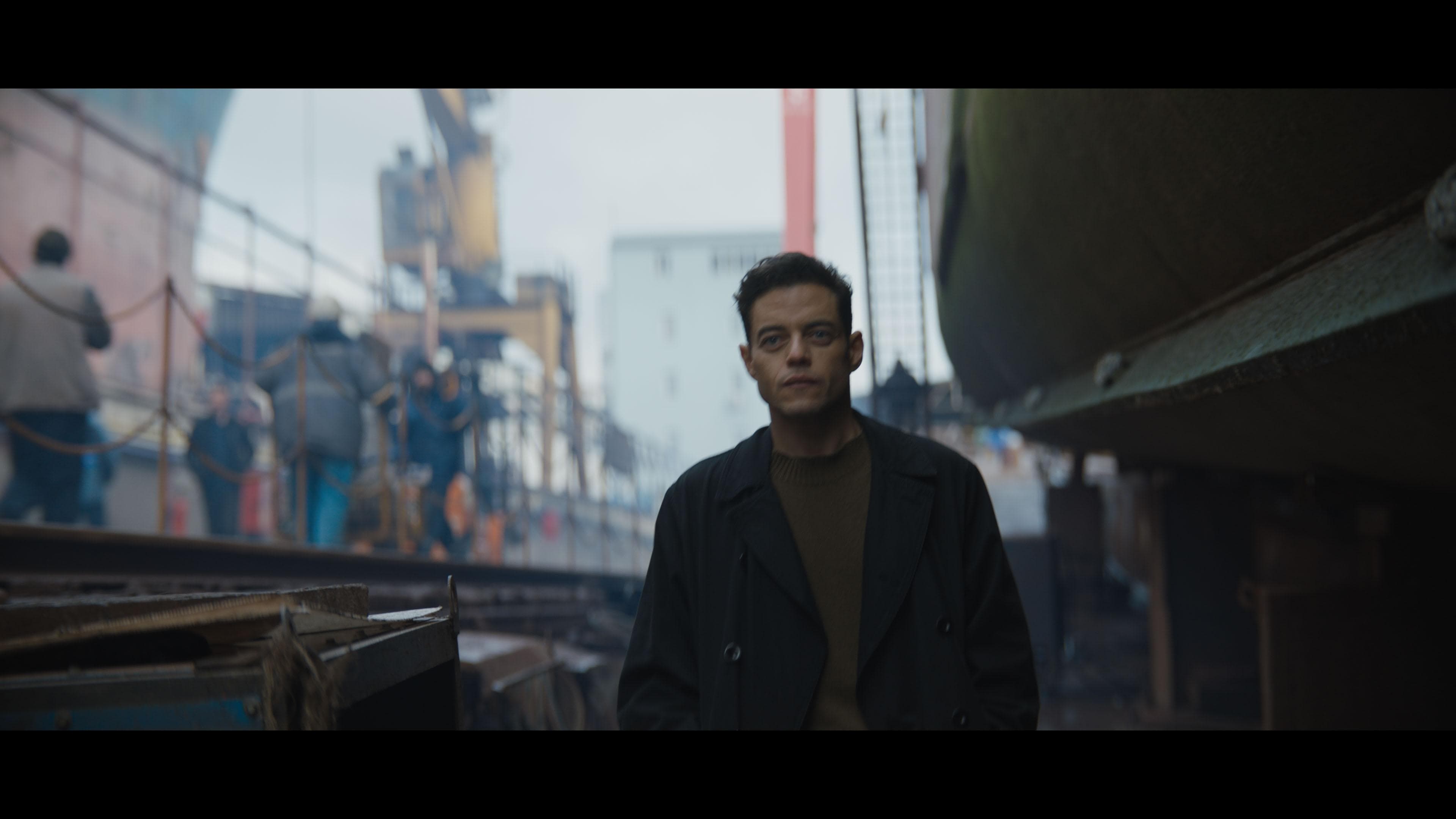
Directed by James Hawes and based on Robert Littell's 1981 novel, the film stars Rami Malek as Charlie Heller, a CIA cryptographer whose wife is killed in a terrorist attack in London. When the agency will not act, he blackmails his superiors into training him as a field operative, then hunts the people responsible using surveillance, intercepted data and his analytical skills rather than brute force. This thriller blends spy noir and modern tech: it features encrypted communications, leaked intel, and quieter hacks than Hollywood usually shows. Critics note The Amateur exaggerates how easily one analyst can find and track targets, but it accurately shows the power of leaked data and surveillance. No outlandish CGI here, just a desk analyst's skills taken into the field.
Cyber Realism: Low, analyst skills are real; the solo field mission is fantasy.
| Movie shortcut | What real security work looks like |
|---|---|
| “I’m in” after a few keystrokes | Access usually follows reconnaissance, target enumeration, vulnerability research, credential abuse, social engineering, or a chain of smaller weaknesses. |
| One hacker can control every system | Real environments are fragmented by identities, platforms, network boundaries, permissions, and monitoring. Attackers often need multiple paths and multiple mistakes. |
| A vulnerability scanner is the same as a pentest | Scanners identify signals and known issues; a professional pentest adds manual validation, attack-path reasoning, business-logic testing, and evidence. |
| Encryption is a glowing barrier waiting to be “broken” | Modern cryptography is mathematics and implementation. Attackers more often target keys, endpoints, credentials, configuration, or weak integrations than brute-force sound algorithms. |
| Malware instantly spreads everywhere | Reach depends on privileges, segmentation, software exposure, identity controls, exploitability, and defensive response. |
| The job ends when access is gained | Authorized testing ends with cleanup, evidence, risk explanation, remediation guidance, and usually retesting. |
That last distinction matters. A continuous penetration testing program is designed around repeated validation and remediation rather than one cinematic breakthrough.
MITRE ATT&CK’s knowledge base of adversary behavior also shows how real campaigns consist of many techniques and stages rather than a single magic exploit.
The strongest titles on this list usually get one thing right even when the plot is exaggerated. WarGames understands exposed access. Sneakers understands teams and social engineering. The Girl with the Dragon Tattoo understands investigation. The Beekeeper understands the emotional leverage of scams. Zero Days understands that cyber operations can have physical and geopolitical consequences. Snowden and The Great Hack understand that data collection itself can create power.
That is also why a good security program is broader than vulnerability scanning. Organizations need identity controls, secure configuration, patching, monitoring, incident response, and periodic adversarial validation. If you want the practitioner view rather than the movie version, DeepStrike’s penetration testing services explain how authorized testing is scoped and reported.
The best cybersecurity movies do not need perfect command-line accuracy to be useful. They work when they expose a real tension: convenience versus control, privacy versus surveillance, trust versus verification, or connectivity versus resilience. WarGames, Sneakers, Blackhat, Who Am I, Zero Days, Citizenfour, and The Great Hack are the strongest starting points if you want cyber relevance rather than just neon screens.
The 2026 update also makes the list more honest about adjacent titles. Films such as The Social Network, Tron, Minority Report, and The Accountant 2 remain because people searching for cyber and technology movies often want the wider digital-culture canon, but their Cyber Realism ratings make clear that they are not substitutes for real security practice.
For classic hacker culture, start with WarGames (1983), Sneakers (1992), Hackers (1995), and The Matrix (1999). For more grounded modern cyber themes, add Blackhat (2015), Who Am I: No System Is Safe (2014), Zero Days (2016), and Citizenfour (2014).
No single fiction film is perfectly realistic. Sneakers is strong on teamwork and social engineering, Blackhat includes more authentic operational detail than most mainstream thrillers, and The Girl with the Dragon Tattoo presents investigative hacking in a comparatively grounded way. For factual cyber operations, documentaries such as Zero Days are a better choice.
Usually only in pieces. Movies compress reconnaissance, access, persistence, validation, and cleanup into a few minutes. Real authorized testing is scoped, evidence-driven, and methodical. DeepStrike’s continuous testing guide shows why repeatability and remediation matter as much as finding the first weakness.
Zero Days, The Great Hack, We Are Legion: The Story of the Hacktivists, and Billion Dollar Heist are the documentary picks in this list. They cover cyberwarfare, personal-data exploitation, hacktivism, and financial cybercrime. For surveillance, Citizenfour (2014), Laura Poitras's Oscar-winning documentary about Edward Snowden, is a strong companion pick that is not ranked here.
The newest retained titles are from 2025: The Amateur, Black Bag, Mission: Impossible - The Final Reckoning, The Accountant 2, and Tron: Ares. Not all are pure hacking films; they are included because they touch cryptography, AI, surveillance, stolen cyberweapons, digital investigation, or cyber-adjacent technology themes.
A vulnerability scan primarily identifies potential known weaknesses automatically. A penetration test adds human analysis and controlled exploitation to determine whether weaknesses are actually exploitable and how they combine into meaningful attack paths. DeepStrike has a detailed comparison of vulnerability assessments and pentests.
Penetration testing is an authorized security assessment in which qualified testers simulate relevant attacker behavior against a defined scope, validate exploitable weaknesses, document evidence, and recommend remediation. It is controlled testing, not unauthorized hacking, and should operate under explicit rules of engagement.
Mohammed Khalil is a Cybersecurity Architect at DeepStrike, specializing in advanced penetration testing and offensive security operations. With certifications including CISSP, OSCP, and OSWE, he has led numerous red team engagements, focusing on cloud security, application vulnerabilities, and adversary emulation. His work involves dissecting complex attack chains and developing resilient defense strategies for clients in the finance, healthcare, and technology sectors.

Stay secure with DeepStrike penetration testing services. Reach out for a quote or customized technical proposal today
Contact Us
